
AI Homily Synthesis and the Vatican Decree DCCII
OpenAI and Anthropic are currently positioning GPT-5 and Claude 4.5 Opus as theological research assistants capable of synthesizing complex scripture with local community data. Marketing claims sugges
The Pitch
OpenAI and Anthropic are currently positioning GPT-5 and Claude 4.5 Opus as theological research assistants capable of synthesizing complex scripture with local community data. Marketing claims suggest these models save clergy significant labor by generating structured weekly sermons (UsedBy Dossier). Despite these promises, the Vatican has moved to restrict the technology to maintain the "intellectual muscle" of the priesthood.
Under the Hood
The core technical conflict lies in the transition from research to generation. While 64% of pastors already utilize AI in their preparation process as of December 2025 (PR Newswire), the Vatican’s Decree n. DCCII, effective since January 2025, prohibits AI applications that conflict with the Church's core mission (CatholicConnect).
On February 19, 2026, Pope Leo XIV explicitly warned that relying on statistical compilations for spiritual guidance leads to cognitive atrophy (Vatican News). From a backend perspective, the primary risk is data exfiltration. Feeding sensitive, "inculturated" parishioner details into non-local context windows of models like Claude 4.5 Opus creates a massive privacy breach (Hacker News). This potentially violates clerical confidentiality protocols and the seal of confession.
Furthermore, there is a technical paradox in the Vatican's infrastructure. While generation is discouraged, St. Peter’s Basilica is deploying "Lara," a specialized AI for real-time 60-language Mass translation in Spring 2026 (EU Reporter). This suggests a bifurcated strategy: AI is acceptable for data-driven translation but rejected for creative synthesis.
We do not yet know the official Vatican stance on using locally-hosted, privacy-compliant LLMs for research only. There is also no public data confirming whether Anthropic or OpenAI has implemented specific "Clergy Privacy" safeguards to prevent parish data from entering training sets (UsedBy Dossier).
The rise of deepfake audio and video is also complicating the landscape. Scammers are now using the likenesses of prominent priests to solicit fraudulent donations via high-fidelity synthesis (ISPR 2026 report).
Marcus's Take
Skip this for production use in any confidential setting. Outsourcing spiritual guidance to a statistical model is the theological equivalent of asking a calculator to write a love letter—it might be mathematically sound, but it is functionally hollow. Until we have verified, air-gapped local deployments that guarantee zero data leakage for sensitive community context, using cloud-based LLMs for this purpose is a liability. I suppose if one wants a sermon that reads like a well-structured README but possesses the emotional depth of a 404 error, Claude 4.5 is your man.
Ship clean code,
Marcus.
Marcus Webb - Senior Backend Analyst at UsedBy.ai
Related Articles
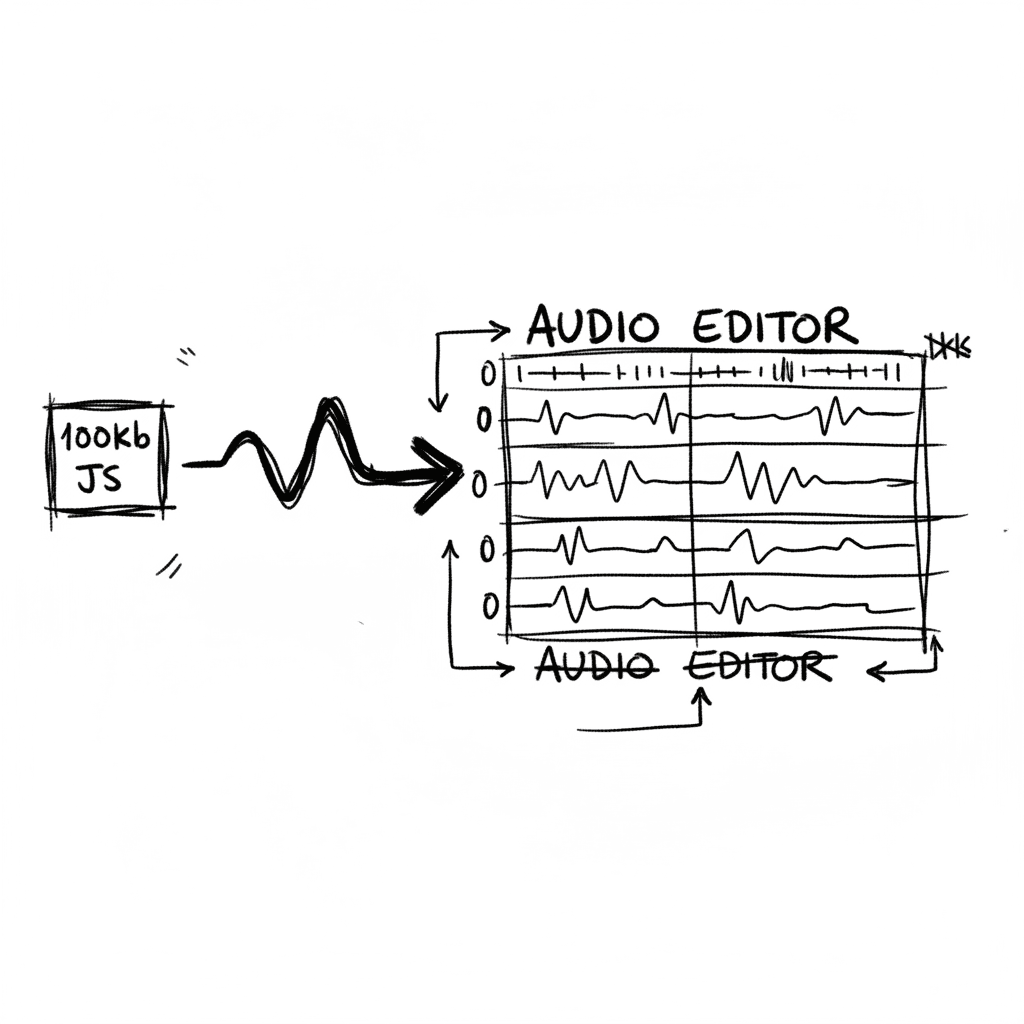
Audiomass: Multitrack Audio Editing via 100kb of Vanilla JavaScript
Audiomass is a browser-based, multitrack audio editor that operates entirely client-side with a remarkably small 100kb footprint (audiomass.co). It provides a workflow reminiscent of classic editors l
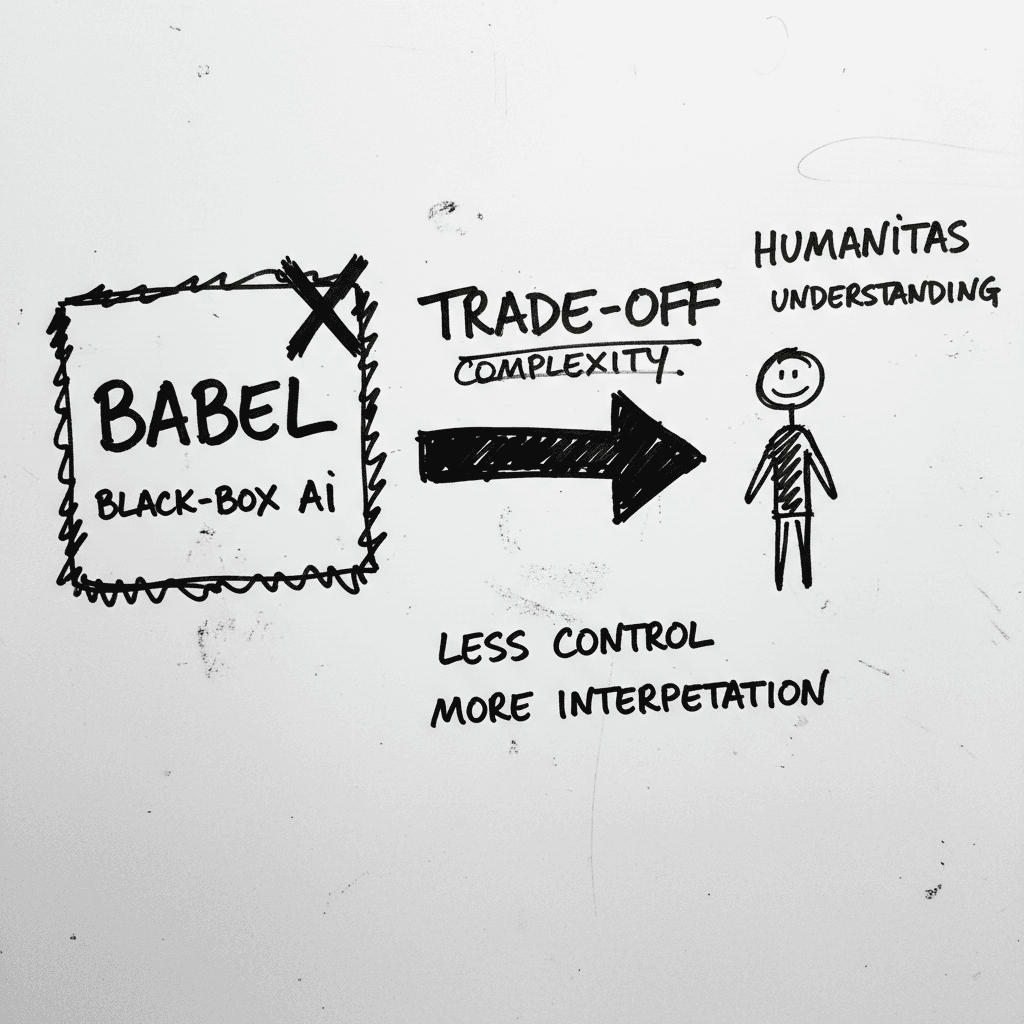
Magnifica Humanitas: The Vatican’s Framework for the GPT-5 Era
The document, signed May 15 and officially released today, was presented at the Vatican alongside Christopher Olah, co-founder of Anthropic and lead of its interpretability team (ncronline.org, Forbes
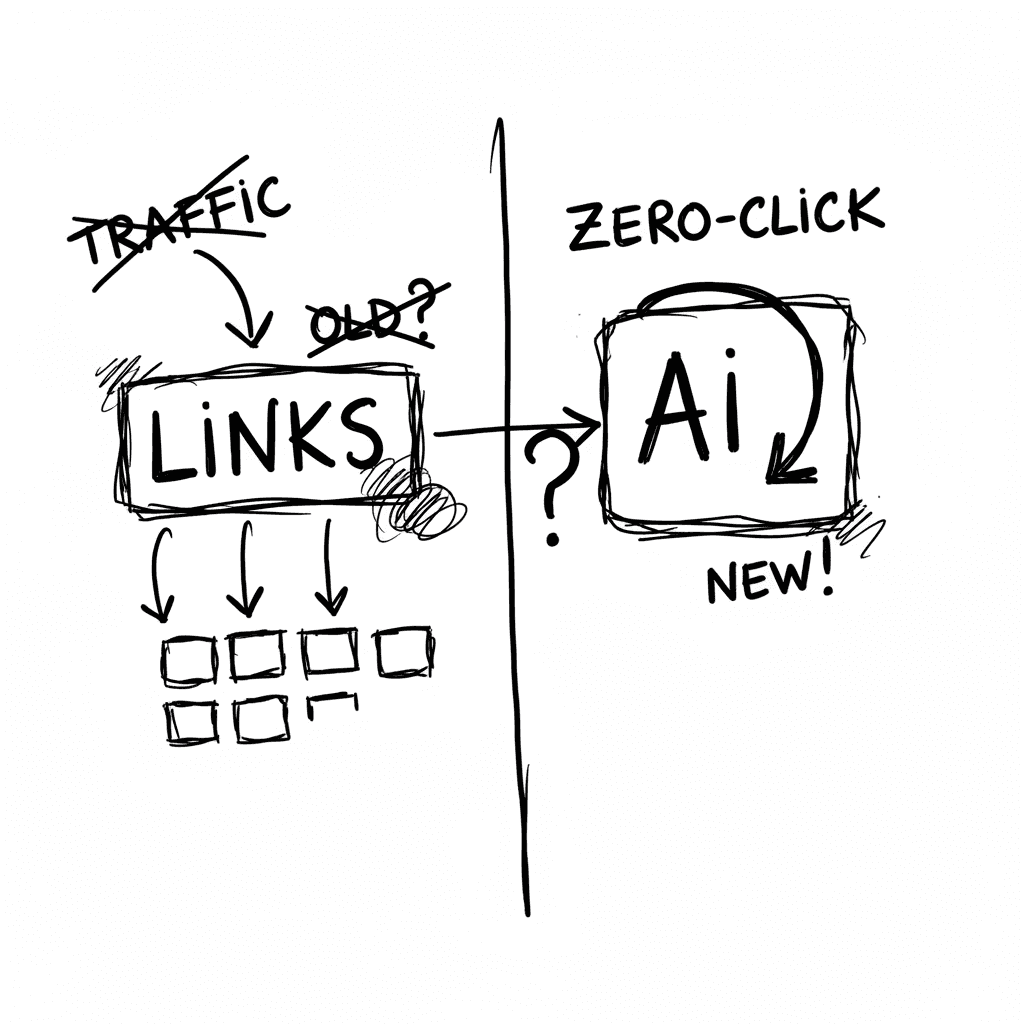
The Zero-Click Economy: Kagi Search vs. Google AI Mode
Google has effectively pivoted to an "answer engine" where Gemini 3.5 Flash provides conversational summaries, while Kagi remains the primary refuge for users seeking a human-centric, ad-free index. W
Stay Ahead of AI Adoption Trends
Get our latest reports and insights delivered to your inbox. No spam, just data.