
Apple’s CEO Transition and the Shift Toward Hardware-Centric Leadership
Apple has confirmed John Ternus will take over as CEO on 1 September 2026, marking the end of Tim Cook’s fifteen-year tenure. The transition aims to refocus the company on a "product-first" philosophy
The Pitch
Apple has confirmed John Ternus will take over as CEO on 1 September 2026, marking the end of Tim Cook’s fifteen-year tenure. The transition aims to refocus the company on a "product-first" philosophy by elevating a veteran hardware engineer to the top spot (Apple Newsroom, April 2026).
Under the Hood
The leadership shuffle promotes Johny Srouji to Chief Hardware Officer to ensure technical continuity, while Cook moves to Executive Chairman to handle global diplomacy (9to5Mac, April 2026). Despite a $4 trillion valuation, Apple currently trails Nvidia and Google in the AI race (Reuters, 2026).
The technical reality of this transition is stark. Developers on Hacker News and Reddit report "terrible" software quality and declining stability across the OS stack (Hacker News thread). Hardware-led leadership often struggles with software developer experience, a trend already visible in Apple’s recent releases.
Apple’s AI strategy is currently a patchwork of external dependencies. The company is leasing Gemini 2.5 and 3 weights from Google, signaling a failure to build a competitive in-house frontier model to rival GPT-5 or Claude 4.5 Opus (Macworld, Jan 2026).
Internal teams are reportedly in "pandemonium," with class-action lawsuits now pending over false advertising regarding Siri's capabilities (ColdFusion Tech Investigation). We don't know yet how Ternus plans to handle the roadmap for VisionOS 3 or the mounting pressure from the "Marco Arment Letter" regarding App Store policy changes.
Specific risks identified in this transition include:
* Dependency on Google for foundation model weights.
* Loss of over half a dozen key executives during the handover (WSJ).
* Documented stagnation in operating system stability.
* Legal challenges regarding "Apple Intelligence" vaporware allegations.
Marcus's Take
Apple is attempting to solve a software and AI crisis by doubling down on hardware-first leadership, which is essentially trying to fix a memory leak by buying a more expensive chassis. While Ternus has the engineering pedigree, Apple's current AI strategy is effectively Google in a trench coat. If you are waiting for an in-house Apple model to compete with Claude 4.5 Opus for your backend workflows, stop waiting and keep your API subscriptions active elsewhere.
Ship clean code,
Marcus.
Marcus Webb - Senior Backend Analyst at UsedBy.ai
Related Articles
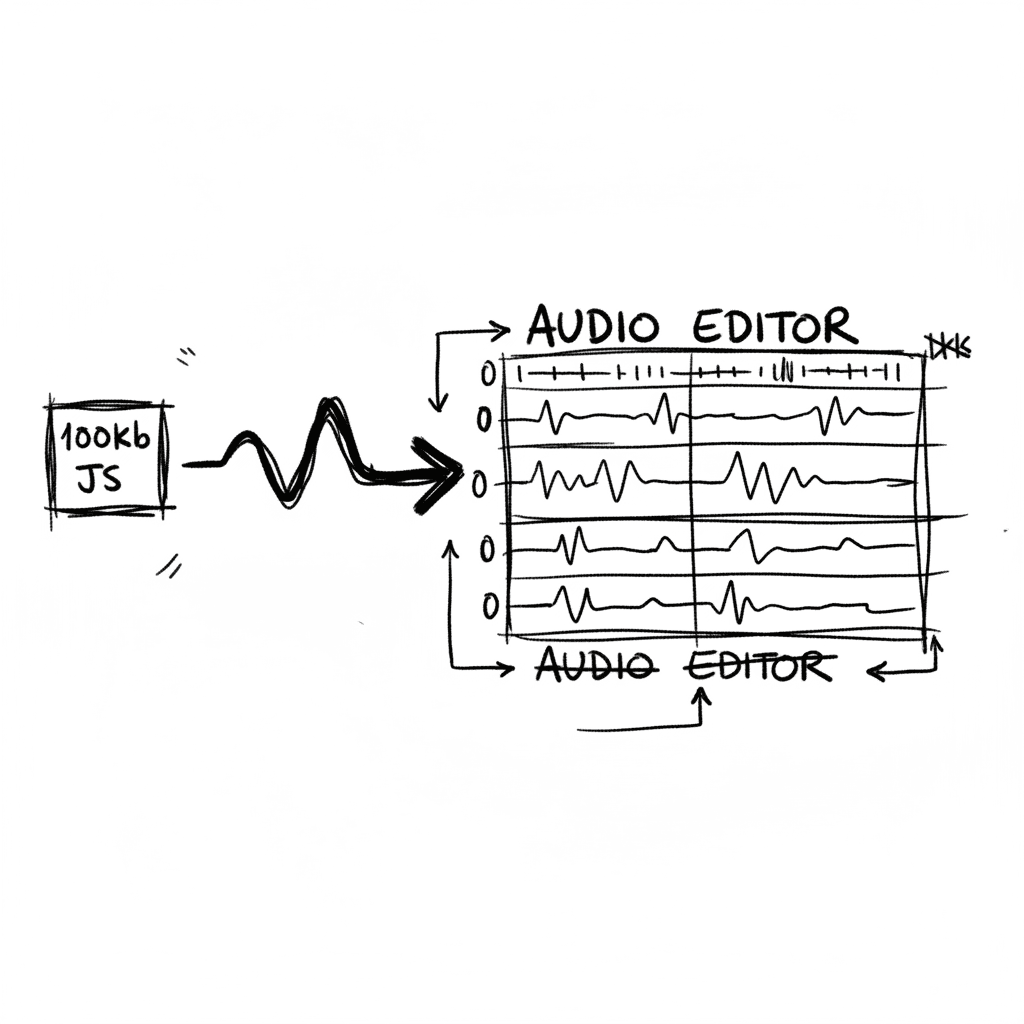
Audiomass: Multitrack Audio Editing via 100kb of Vanilla JavaScript
Audiomass is a browser-based, multitrack audio editor that operates entirely client-side with a remarkably small 100kb footprint (audiomass.co). It provides a workflow reminiscent of classic editors l
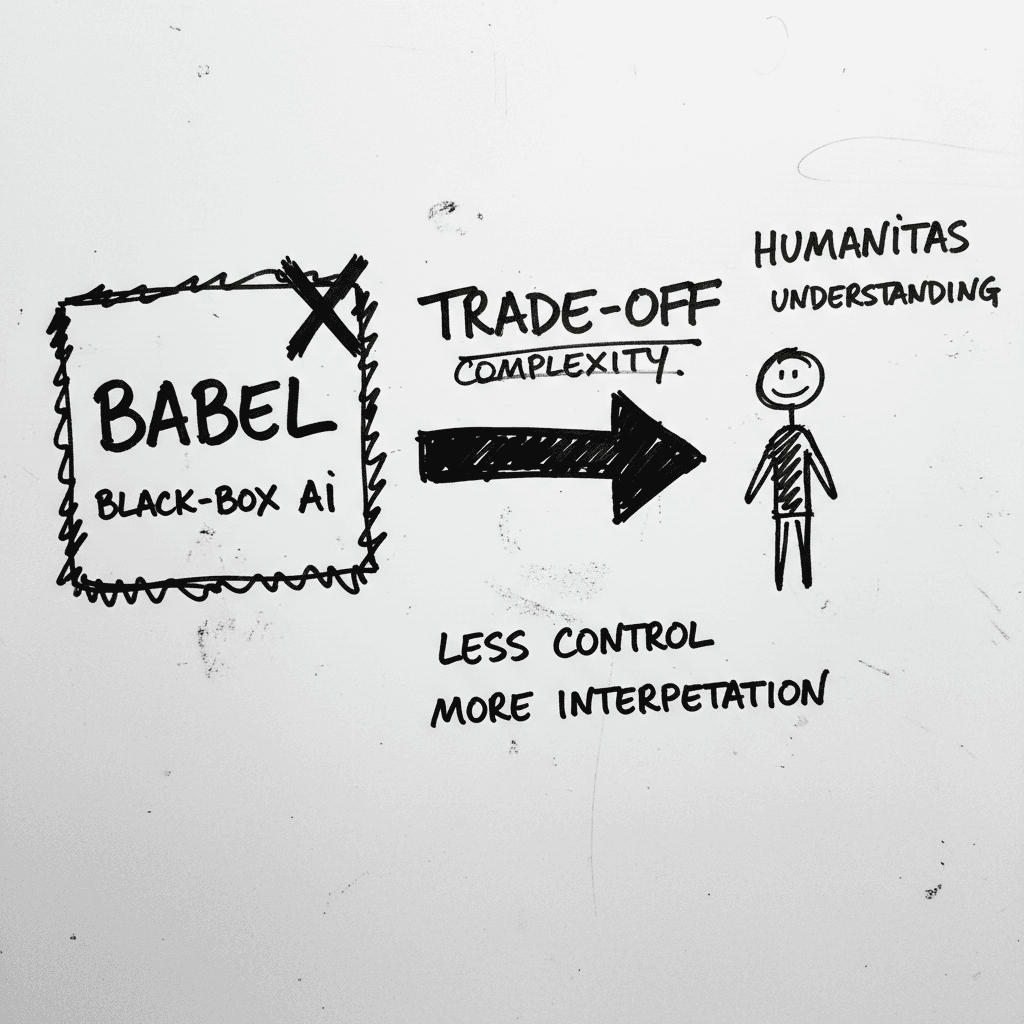
Magnifica Humanitas: The Vatican’s Framework for the GPT-5 Era
The document, signed May 15 and officially released today, was presented at the Vatican alongside Christopher Olah, co-founder of Anthropic and lead of its interpretability team (ncronline.org, Forbes
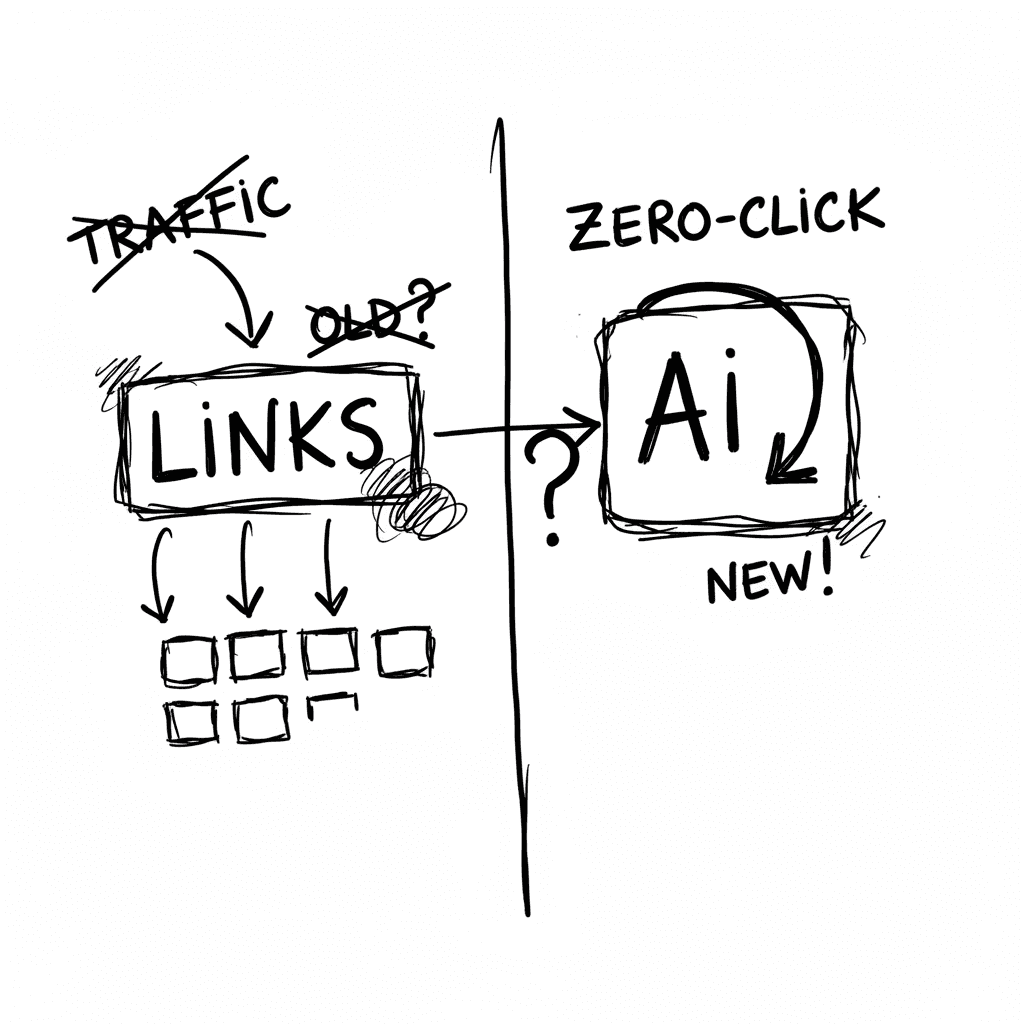
The Zero-Click Economy: Kagi Search vs. Google AI Mode
Google has effectively pivoted to an "answer engine" where Gemini 3.5 Flash provides conversational summaries, while Kagi remains the primary refuge for users seeking a human-centric, ad-free index. W
Stay Ahead of AI Adoption Trends
Get our latest reports and insights delivered to your inbox. No spam, just data.