
Atomic File Operations and the POSIX Locking Trap
We don't know yet how atomicity consistency scales in recent 2025/2026 "Atomic" Linux distributions like AerynOS when running in multi-tenant containerized environments. Furthermore, up-to-date benchm

The Pitch
Unix-based systems provide a specific set of syscalls—rename, mkdir, link, and symlink—that guarantee atomicity at the kernel level. These primitives allow for race-condition-free state management without the overhead or complexity of high-level locking mechanisms (source: rcrowley.org).
Under the Hood
The syscall renameat2 with the RENAME_EXCHANGE flag allows for the atomic swapping of two file paths. This is a critical feature missing from early documentation that is now standard for zero-downtime configuration deployments (Source: Linux man7.org).
Modern 2026 production environments have shifted toward io_uring 'link' operations for high-performance sequencing. While these provide better throughput on high-core-count systems, they still depend on the underlying VFS atomicity for individual operations (Source: Senior Technical Investigator Research).
The legacy POSIX advisory locking system (fcntl) remains a significant risk in multi-threaded software. These locks are process-bound rather than file-descriptor-bound; they are released if a process closes any descriptor for that file (Source: HN Thread / 0pointer.de). Using them in modern stacks often leads to silent data corruption when a library call triggers an unexpected close().
We don't know yet how atomicity consistency scales in recent 2025/2026 "Atomic" Linux distributions like AerynOS when running in multi-tenant containerized environments. Furthermore, up-to-date benchmarks comparing syscall-level atomicity overhead against userspace lock-free data structures are currently unavailable (Source: UsedBy Dossier).
Local atomicity guarantees do not translate to cloud environments. Operations that are atomic on Ext4 or XFS frequently fail to provide the same guarantees on S3-backed object stores or distributed filesystems used in Kubernetes clusters, where the underlying storage architecture prioritizes availability over POSIX-compliant atomicity.
Marcus's Take
Use the filesystem primitives for atomic path swaps, but treat fcntl advisory locks as legacy radiation. Relying on POSIX locks in a 2026 multi-threaded stack is like trusting a politician with your wallet; the disappearance of your assets is a mathematical certainty. If you need atomicity, stick to renameat2 on local volumes and keep your complex synchronization in userspace or a dedicated distributed store.
Ship clean code,
Marcus.
Marcus Webb - Senior Backend Analyst at UsedBy.ai
Related Articles
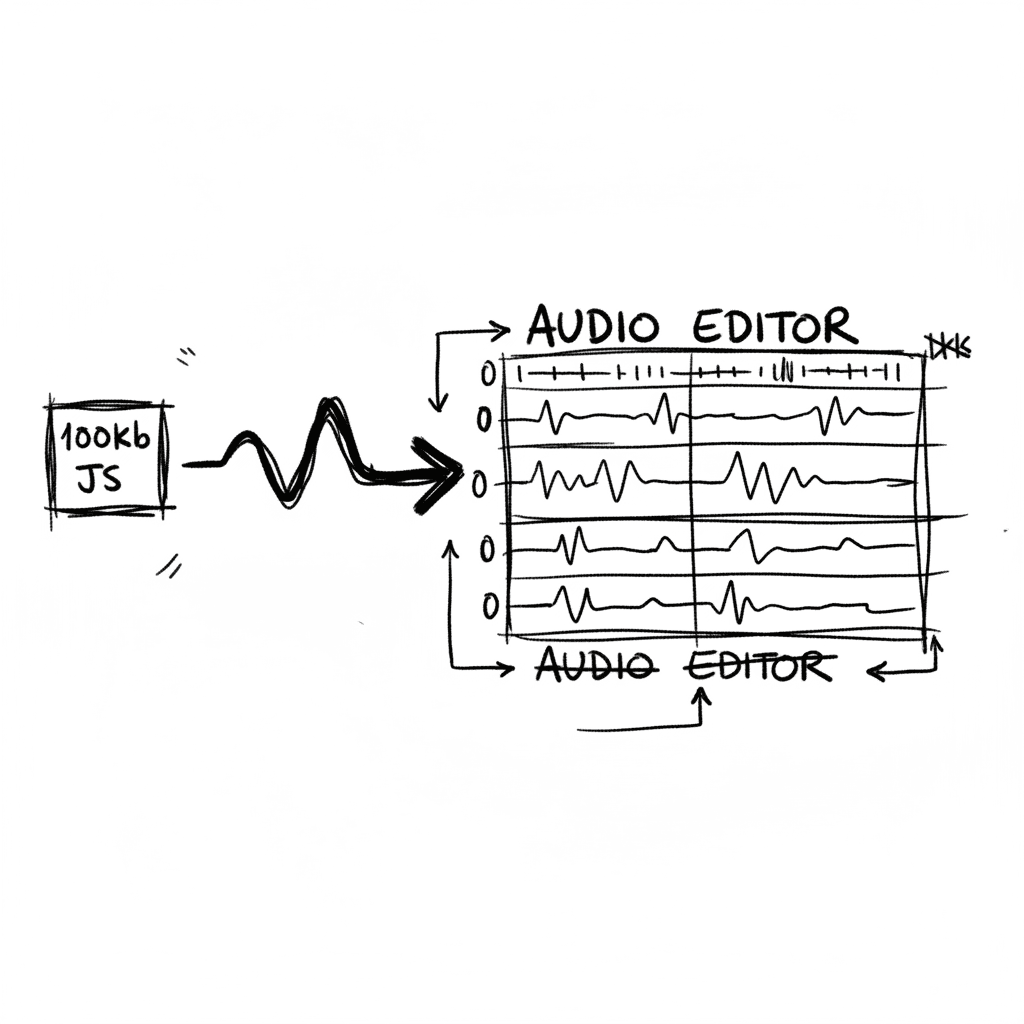
Audiomass: Multitrack Audio Editing via 100kb of Vanilla JavaScript
Audiomass is a browser-based, multitrack audio editor that operates entirely client-side with a remarkably small 100kb footprint (audiomass.co). It provides a workflow reminiscent of classic editors l
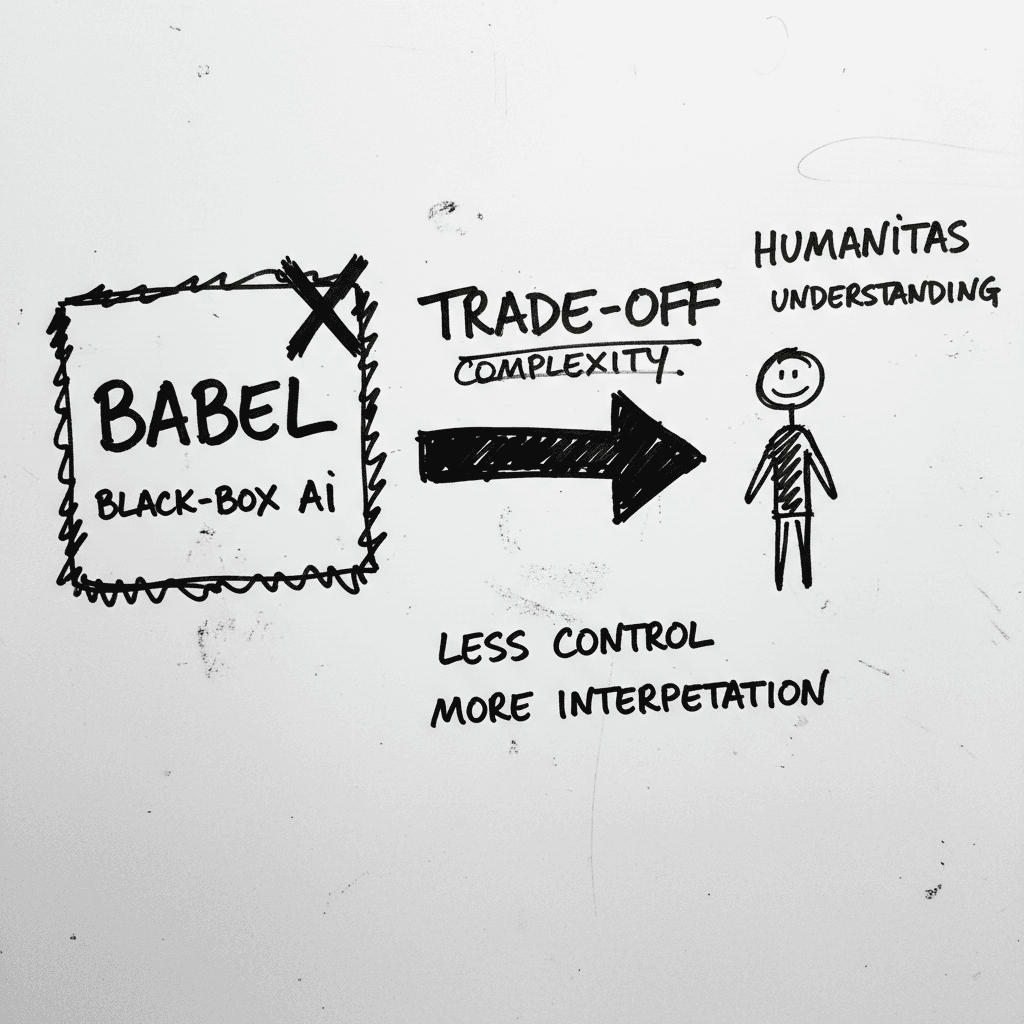
Magnifica Humanitas: The Vatican’s Framework for the GPT-5 Era
The document, signed May 15 and officially released today, was presented at the Vatican alongside Christopher Olah, co-founder of Anthropic and lead of its interpretability team (ncronline.org, Forbes

The Zero-Click Economy: Kagi Search vs. Google AI Mode
Google has effectively pivoted to an "answer engine" where Gemini 3.5 Flash provides conversational summaries, while Kagi remains the primary refuge for users seeking a human-centric, ad-free index. W
Stay Ahead of AI Adoption Trends
Get our latest reports and insights delivered to your inbox. No spam, just data.