
Augment Code: Context Management and the Credit-Based Agent Economy
Augment Code is an agent orchestration platform designed to facilitate "Agentic Engineering" within large-scale, complex codebases. It attempts to automate implementation cycles through multi-step wor

The Pitch
Augment Code is an agent orchestration platform designed to facilitate "Agentic Engineering" within large-scale, complex codebases. It attempts to automate implementation cycles through multi-step workflows, theoretically allowing senior engineers to focus on architectural oversight rather than syntax.
Under the Hood
Augment Code leverages the Claude 4.5 Opus engine, which currently holds an 80.9% SWE-bench Verified score, to facilitate autonomous repository-level refactoring (Anthropic, Feb 2026). While most IDE extensions struggle with state management, Augment focuses on high-fidelity context retrieval across massive monorepos.
The platform's operational costs shifted significantly following their October 20, 2025, move to a credit-based pricing model (Official Blog). This change was necessitated by the high compute demands of Claude 4.6 Opus and its 1M context window, which Augment uses for "Agent Teams" capabilities (LogRocket Review).
Current technical friction points and observations include:
- Power users report monthly costs exceeding $200 when running "Daily Agent" workflows (Reddit r/AugmentCodeAI).
- Risk of "context pollution" exists where agents become trapped in recursive loops when processing oversized monorepo structures (Reddit).
- It adheres to Simon Willison’s "Agentic Engineering Patterns," specifically utilizing TDD loops and linear walkthroughs to explain code changes (simonwillison.net).
- We don't know yet whether the standalone "Intent IDE" will remain a priority over the standard VS Code extension.
- Specific details regarding their roadmap for GPT-5.2 integration remain unavailable (UsedBy Dossier).
The primary architectural risk is "cognitive debt," where developers rely so heavily on agentic patterns that they lose deep understanding of the underlying system (Simon Willison Guide). This is a significant concern for long-term maintenance in production environments.
Marcus's Take
Skip Augment Code for standard feature work and only deploy it if you are drowning in a legacy monorepo that no single human understands. The $200 monthly credit burn for "Max" users is a steep tax for what is becoming a commodity service, especially with "Claude Code" and "Windsurf" offering similar inference capabilities at lower friction. It is a technically proficient retrieval engine, but the risk of building up massive cognitive debt across your team makes it a dangerous long-term bet for core product development.
Ship clean code,
Marcus.
Marcus Webb - Senior Backend Analyst at UsedBy.ai
Related Articles
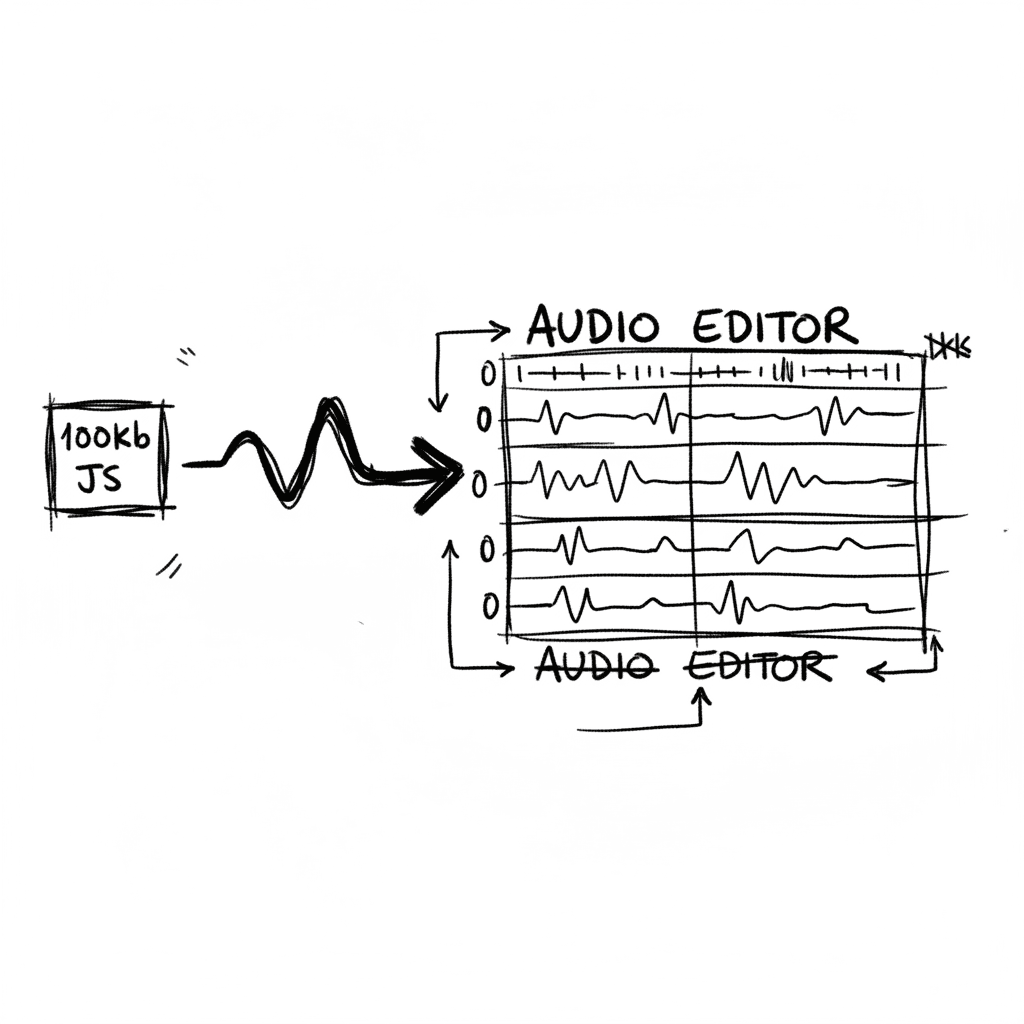
Audiomass: Multitrack Audio Editing via 100kb of Vanilla JavaScript
Audiomass is a browser-based, multitrack audio editor that operates entirely client-side with a remarkably small 100kb footprint (audiomass.co). It provides a workflow reminiscent of classic editors l
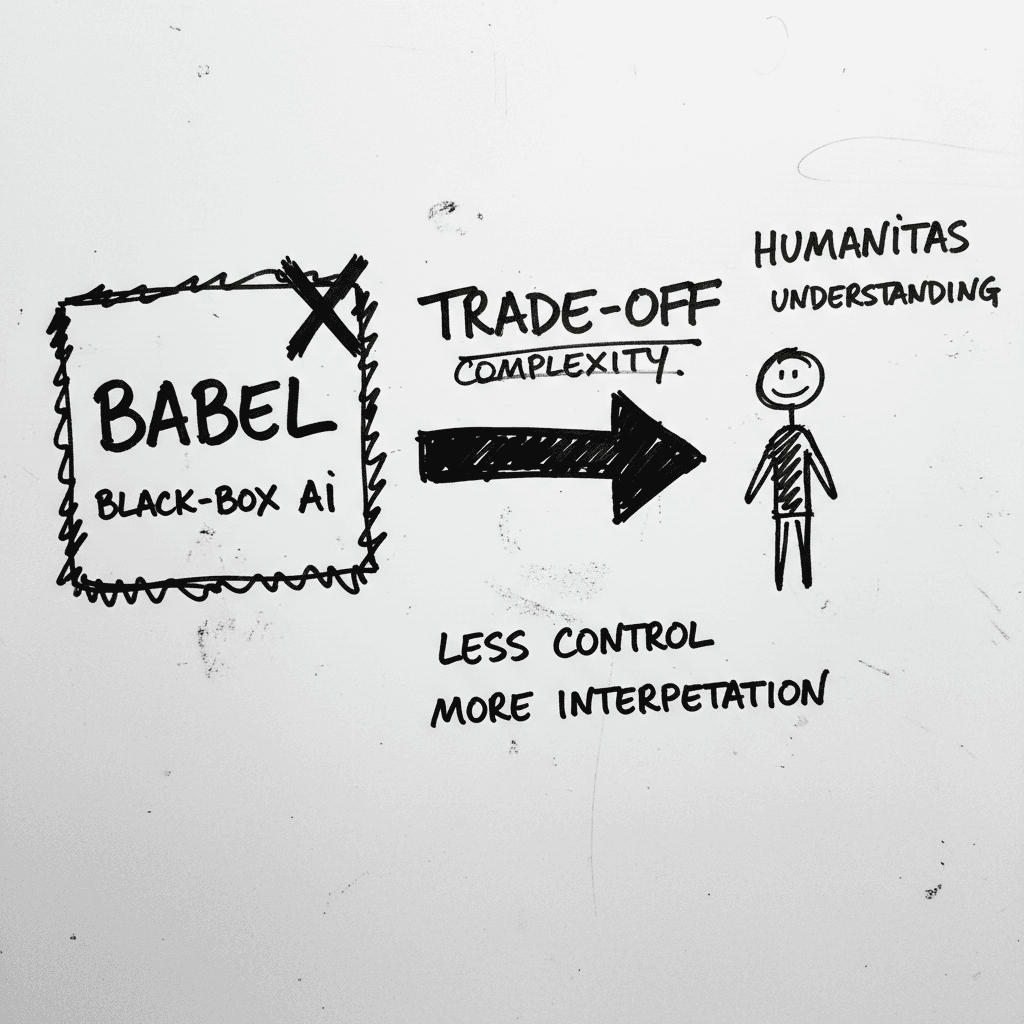
Magnifica Humanitas: The Vatican’s Framework for the GPT-5 Era
The document, signed May 15 and officially released today, was presented at the Vatican alongside Christopher Olah, co-founder of Anthropic and lead of its interpretability team (ncronline.org, Forbes
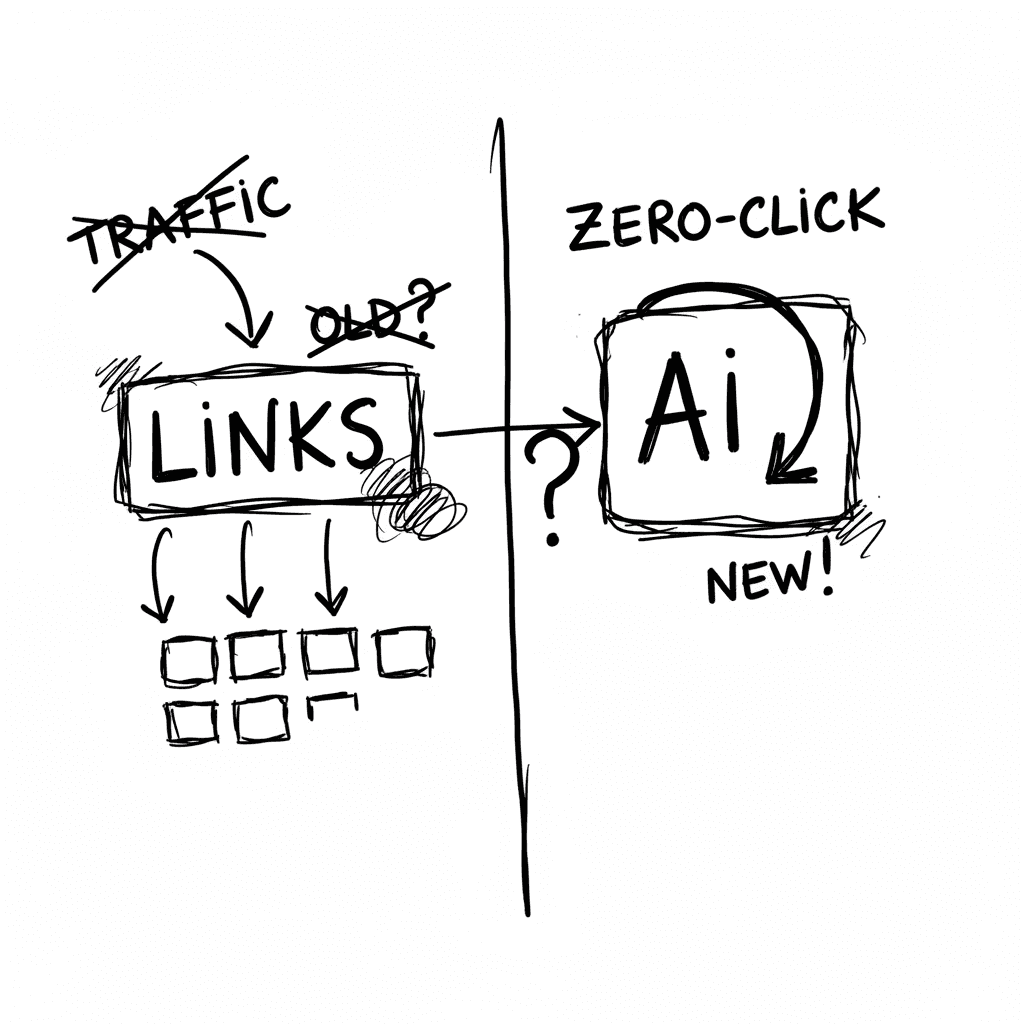
The Zero-Click Economy: Kagi Search vs. Google AI Mode
Google has effectively pivoted to an "answer engine" where Gemini 3.5 Flash provides conversational summaries, while Kagi remains the primary refuge for users seeking a human-centric, ad-free index. W
Stay Ahead of AI Adoption Trends
Get our latest reports and insights delivered to your inbox. No spam, just data.