
Bitflip attribution in Mozilla crash telemetry
Ten percent of all Firefox crashes recorded in the field are the result of spontaneous bitflips caused by hardware instability rather than software defects. This telemetry data confirms that even the

The Pitch
Ten percent of all Firefox crashes recorded in the field are the result of spontaneous bitflips caused by hardware instability rather than software defects. This telemetry data confirms that even the most optimized code cannot compensate for the inherent reliability failures of consumer-grade silicon.
Under the Hood
Mozilla’s telemetry identifies "impossible" CPU states that point directly to Single Event Upsets (SEUs) as the culprit for a significant volume of "unfixable" crashes (Source: Gabriele Svelto, Mastodon). This quantification aligns with historical data from ArenaNet, where background math checks in 2004 identified bitflips in 1 out of every 1000 client machines (Source: HN).
Modern production environments see similar patterns; the Go toolchain’s runtime.SetCrashOutput has surfaced hundreds of hardware-induced crashes that would previously have been logged as obscure logic bugs (Source: Go Maintainer). Expecting consumer RAM to be reliable is like expecting a politician to answer a direct question: optimistic, but ultimately futile.
The hardware industry has attempted to mitigate this with DDR5, but the "on-die ECC" marketing is largely a smokescreen. It provides no end-to-end protection for data in transit to the CPU, leaving 2026 consumer hardware vulnerable to silent data corruption (Technical consensus).
We don't know yet if Chromium-based browsers observe the same 10% threshold, as similar comparative data remains unavailable. Furthermore, we lack public analysis on whether the high-density NPU memory modules common in 2026 AI workstations exhibit higher failure rates than standard RAM (UsedBy Dossier).
Marcus's Take
Stop wasting engineering sprints trying to debug "impossible" race conditions that only appear in field telemetry. If you are running high-load backend services or LLM inference on hardware without full System ECC, you are essentially gambling against cosmic rays. This data proves that 10% of your stability problems aren't your fault, but they are your responsibility to mitigate through hardware parity, not more unit tests.
Ship clean code,
Marcus.
Marcus Webb - Senior Backend Analyst at UsedBy.ai
Related Articles
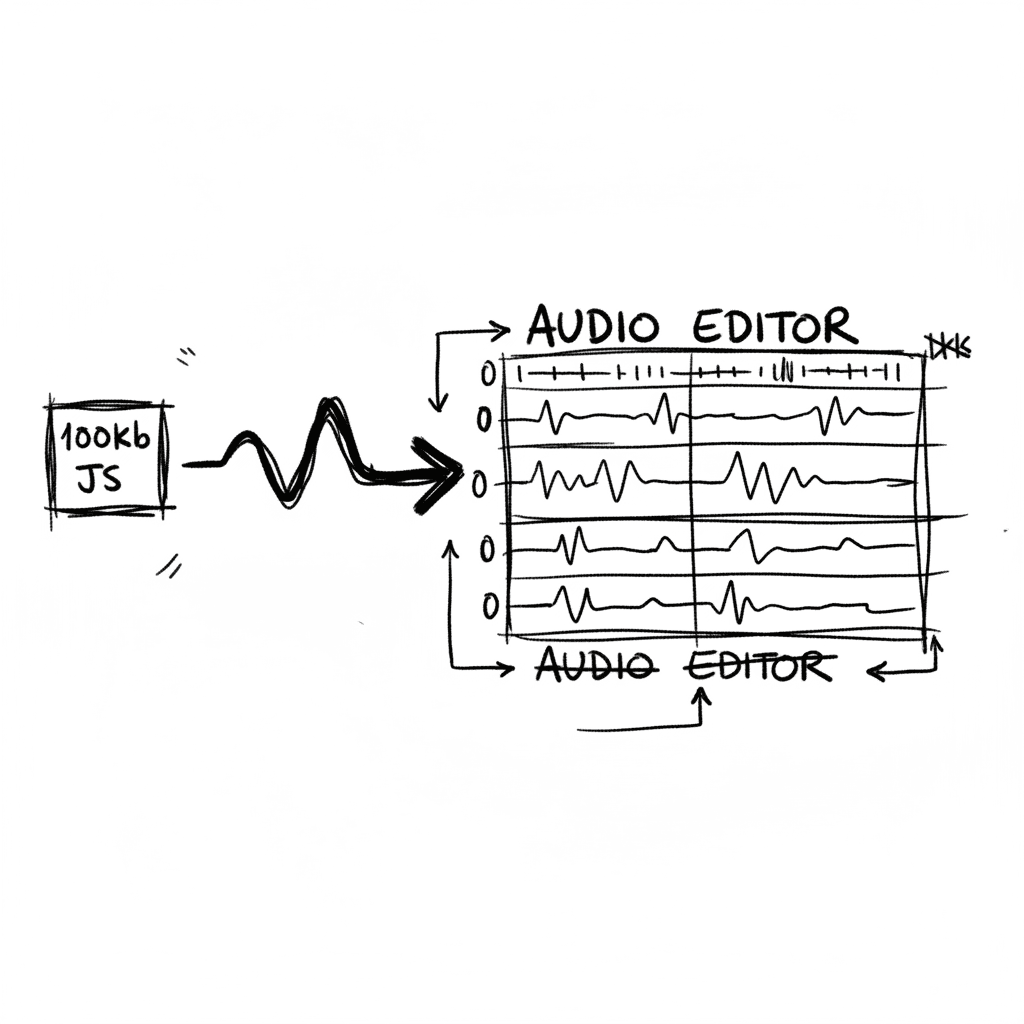
Audiomass: Multitrack Audio Editing via 100kb of Vanilla JavaScript
Audiomass is a browser-based, multitrack audio editor that operates entirely client-side with a remarkably small 100kb footprint (audiomass.co). It provides a workflow reminiscent of classic editors l
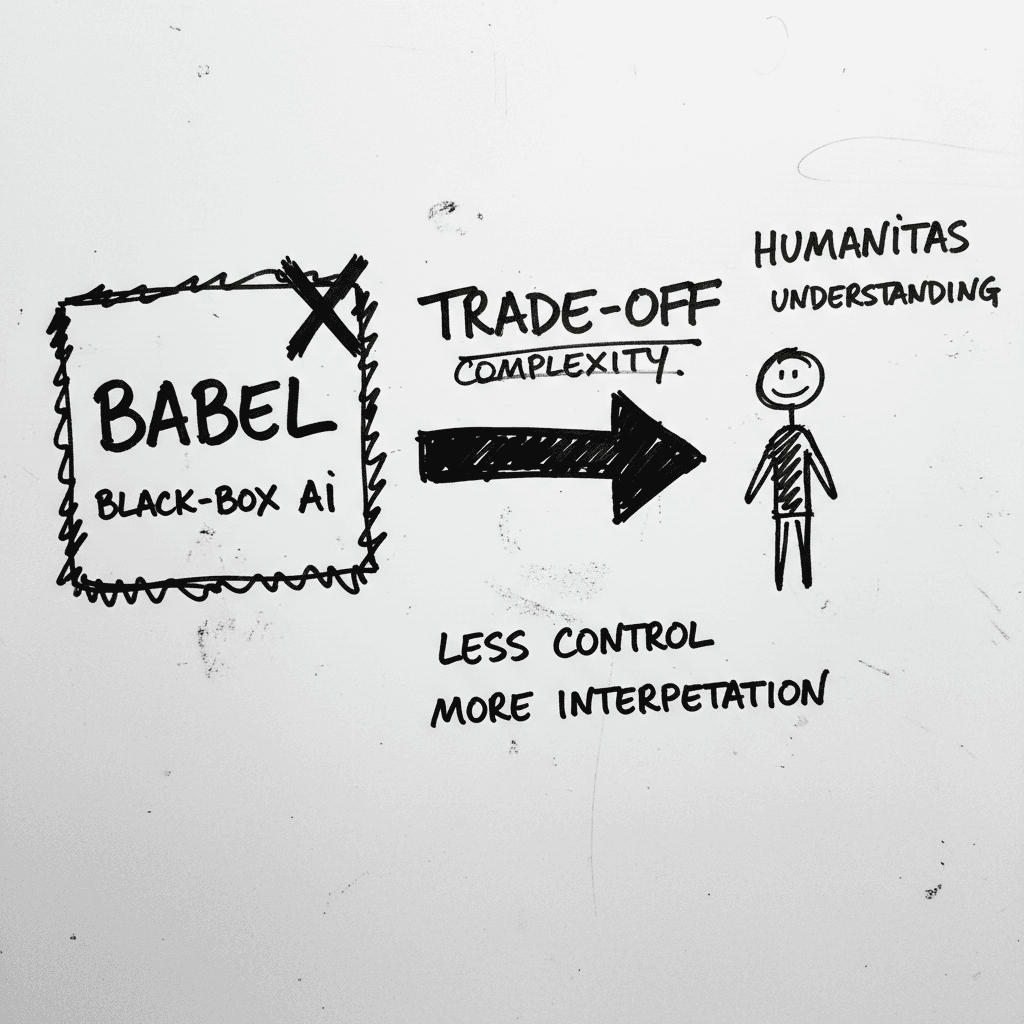
Magnifica Humanitas: The Vatican’s Framework for the GPT-5 Era
The document, signed May 15 and officially released today, was presented at the Vatican alongside Christopher Olah, co-founder of Anthropic and lead of its interpretability team (ncronline.org, Forbes
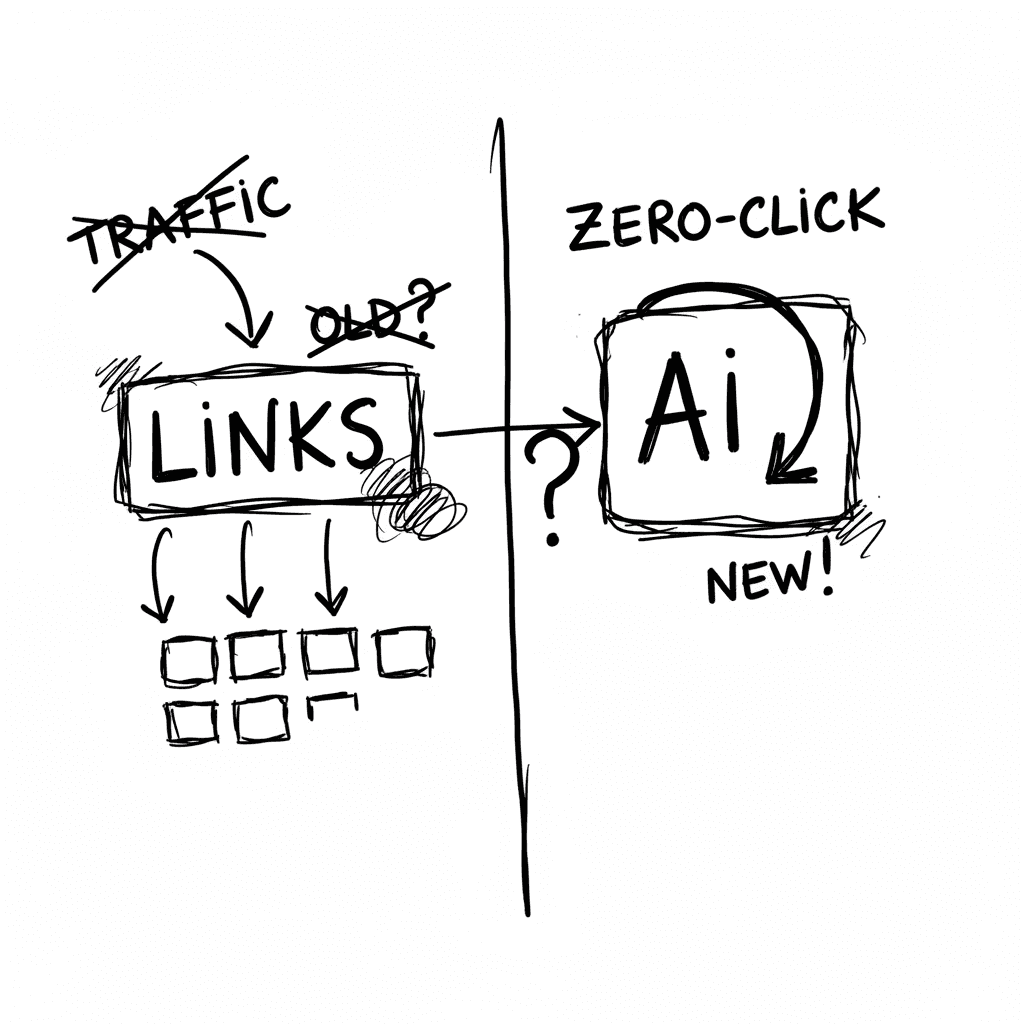
The Zero-Click Economy: Kagi Search vs. Google AI Mode
Google has effectively pivoted to an "answer engine" where Gemini 3.5 Flash provides conversational summaries, while Kagi remains the primary refuge for users seeking a human-centric, ad-free index. W
Stay Ahead of AI Adoption Trends
Get our latest reports and insights delivered to your inbox. No spam, just data.