
Bitwise Precision: The Four-Column Logic of ASCII
ASCII character mapping is a deliberate exercise in hardware-level optimization for Binary Coded Decimal (BCD) accounting machines. While modern developers often treat it as a legacy curiosity, its st

The Pitch
ASCII character mapping is a deliberate exercise in hardware-level optimization for Binary Coded Decimal (BCD) accounting machines. While modern developers often treat it as a legacy curiosity, its structured 4-column architecture remains a foundational reference for low-level performance in 2026 systems (UsedBy Dossier).
Under the Hood
The layout prioritizes bitwise efficiency over alphabetical aesthetics. Digits 0-9 are mapped specifically to 0x30-0x39, which allows 1960s hardware to perform BCD conversions by simply ignoring the high nibble (source: HN Comment).
Case folding—the transition between uppercase and lowercase—is handled via a single bit. The 6th bit acts as a logical toggle, which simplifies compiler logic and hardware-level string comparisons (source: HN Comment). This design choice means 'A' and 'a' are exactly 32 positions apart, a pattern that persists in modern instruction sets.
Terminal interaction relies on bit-masking rather than lookup tables. For instance, Ctrl-A yields the Start of Header (SOH) because the hardware masks the 7th and 6th bits of the 'A' character (source: HN Comment). This structural predictability is why terminal emulators remain remarkably stable decades later.
In 2026, we are seeing a resurgence of ASCII-Driven Development (ADD). Frontier models like Claude 4.5 Opus and GPT-5 demonstrate significantly higher spatial reasoning when interpreting text-based UI layouts compared to complex pixel-based Figma exports (source: Medium / HN 2026).
However, the architecture has its friction points. A notable design flaw is the gap between digits and letters, which prevents a clean, continuous hexadecimal-to-binary conversion (source: HN Comment). Furthermore, mapping this 7-bit legacy into modern 2026 UTF-8 environments introduces a subtle overhead in high-throughput data processing.
We don't know yet how modern GPT-5 tokenizers prioritize these specific legacy bit patterns for context window efficiency, as those benchmarks remain private. Similarly, the current status of the "Garbage Collected" documentation is unknown as the project appears archived (UsedBy Dossier).
Marcus's Take
ASCII is the nearest thing to a perfect engineering artifact we have in the stack. It took the industry sixty years to realize that a structured text file is often a more reliable UI specification for an LLM than a bloated design file. If you are building high-performance parsers or optimizing prompts for Claude 4.5 Opus, you must internalize the four-column logic; if you are just moving JSON around, carry on as you were.
Ship clean code,
Marcus.
Marcus Webb - Senior Backend Analyst at UsedBy.ai
Related Articles
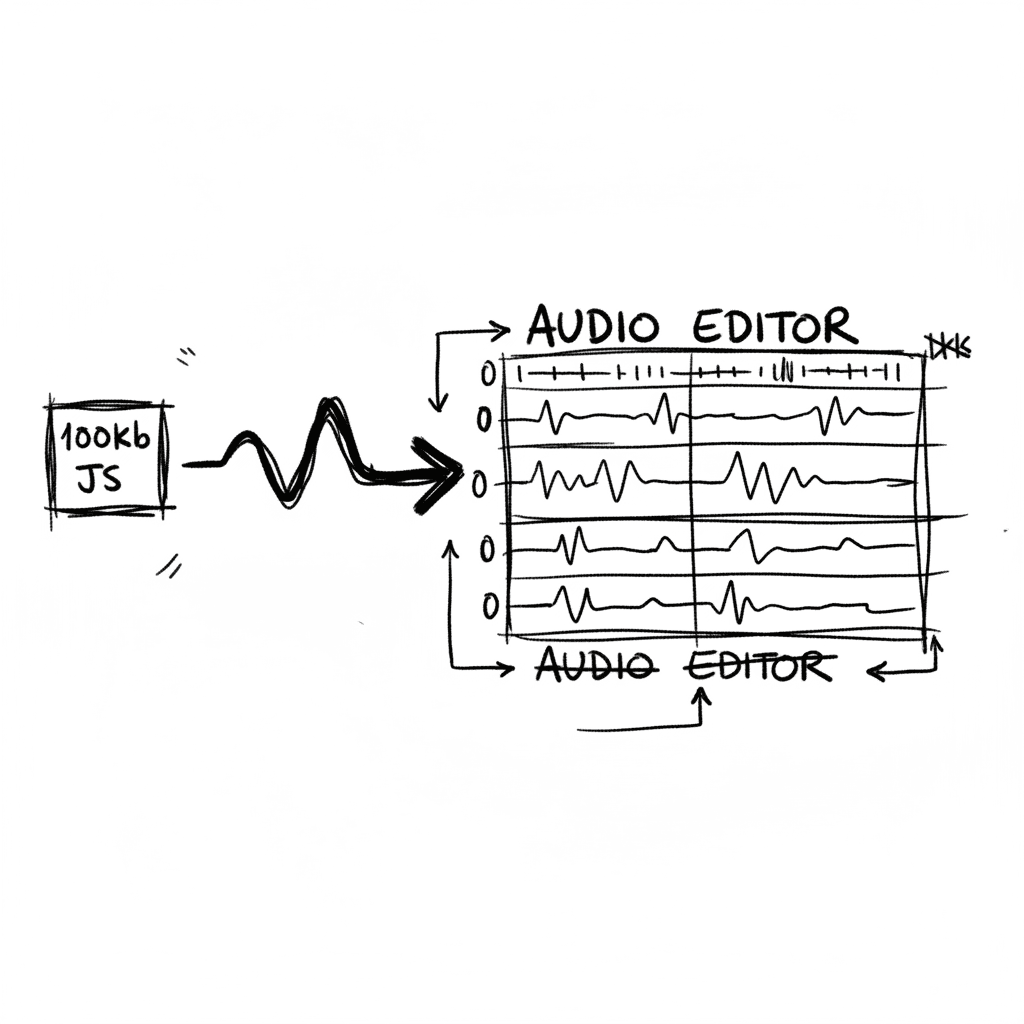
Audiomass: Multitrack Audio Editing via 100kb of Vanilla JavaScript
Audiomass is a browser-based, multitrack audio editor that operates entirely client-side with a remarkably small 100kb footprint (audiomass.co). It provides a workflow reminiscent of classic editors l
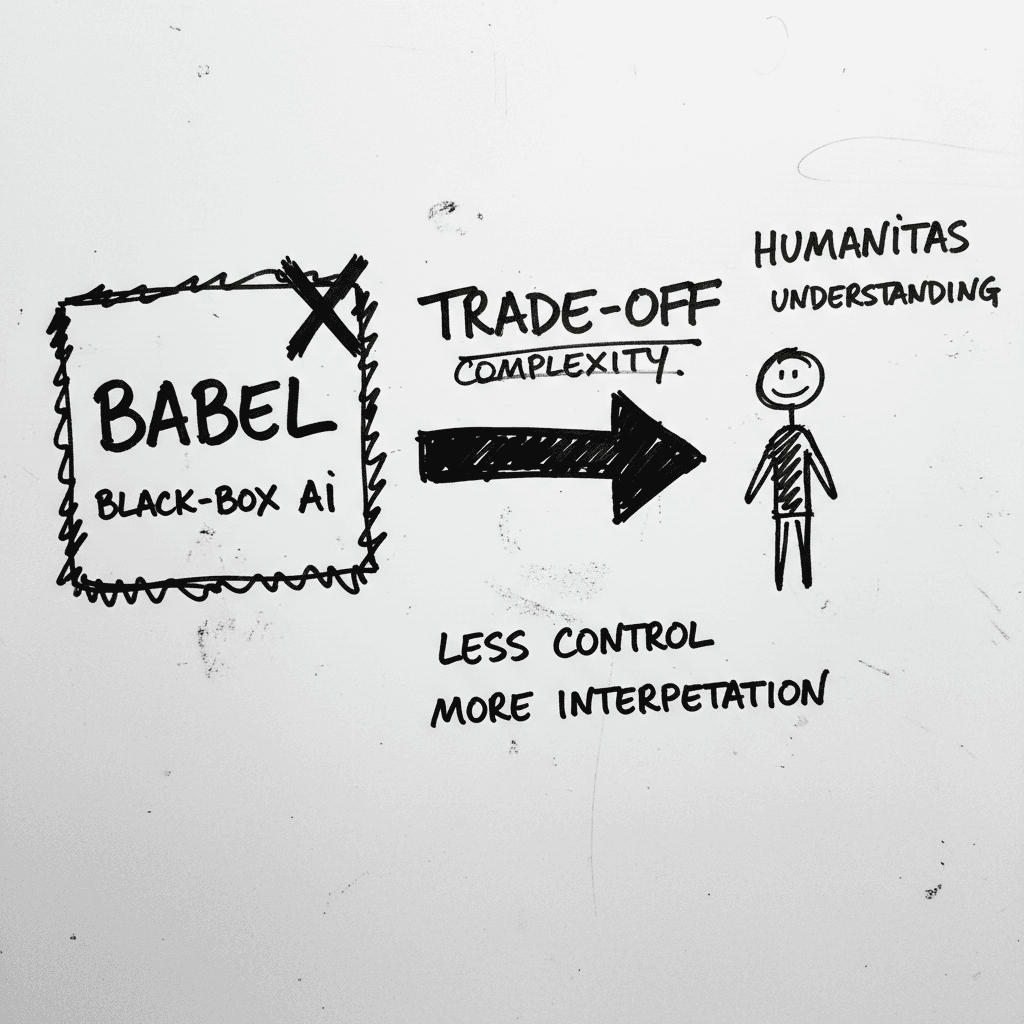
Magnifica Humanitas: The Vatican’s Framework for the GPT-5 Era
The document, signed May 15 and officially released today, was presented at the Vatican alongside Christopher Olah, co-founder of Anthropic and lead of its interpretability team (ncronline.org, Forbes
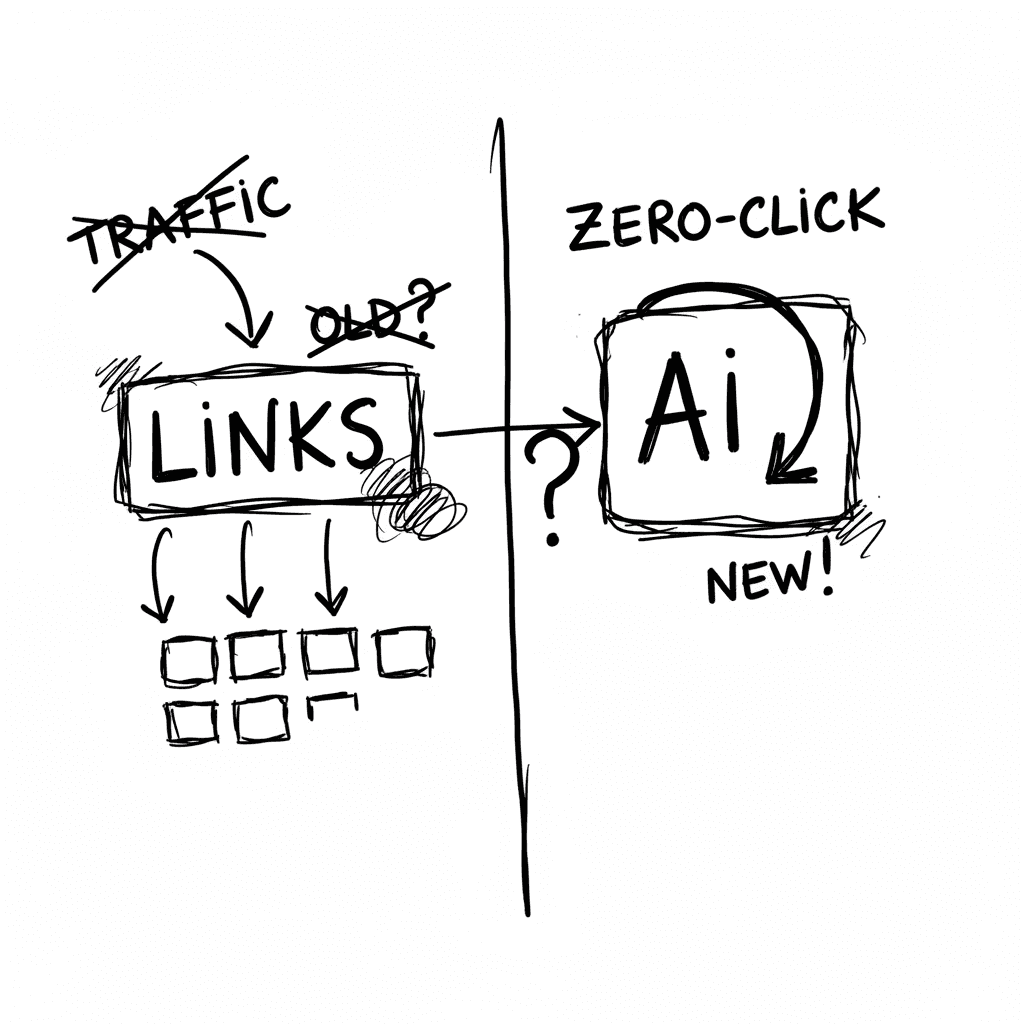
The Zero-Click Economy: Kagi Search vs. Google AI Mode
Google has effectively pivoted to an "answer engine" where Gemini 3.5 Flash provides conversational summaries, while Kagi remains the primary refuge for users seeking a human-centric, ad-free index. W
Stay Ahead of AI Adoption Trends
Get our latest reports and insights delivered to your inbox. No spam, just data.