
Bypassing Bambu Lab's Cloud Lock: The OrcaSlicer-bambulab Fork
OrcaSlicer-bambulab is a fork designed to restore internet-based printing and remote monitoring functionality to the popular open-source slicer. It directly addresses the 2025/2026 restrictions that f

The Pitch
OrcaSlicer-bambulab is a fork designed to restore internet-based printing and remote monitoring functionality to the popular open-source slicer. It directly addresses the 2025/2026 restrictions that forced third-party clients into LAN-only mode, circumventing the vendor's attempt to wall off its cloud ecosystem. The project has gained significant traction on GitHub as a focal point for the right-to-repair movement within the additive manufacturing space.
Under the Hood
The software achieves cloud restoration by utilizing identity metadata—specifically User-Agents—extracted from the official AGPL-licensed Bambu Studio. This allows the fork to masquerade as the official client when communicating with the BambuNetwork cloud infrastructure (Source: GitHub). The project was transitioned to the FULU-Foundation non-profit in May 2026 after the original developer, Pawel Jarczak, faced legal pressure (Source: All3DP).
Bambu Lab has labeled this mechanism as "client impersonation," arguing that falsified identity metadata threatens the integrity of their server-side operations (Source: Bambu Lab Blog). Despite these claims, the repository remains active with 1.9k stars and a steady stream of community contributions (Source: GitHub). The technical battle is currently overshadowed by a legal one, as the project is in a cease-and-desist phase as of May 13, 2026.
There are significant operational risks for users:
* Bambu Lab may implement server-side updates to permanently block this specific implementation.
* The vendor could theoretically ban user accounts detected using "unauthorized" clients.
* Future hardware-level attestation (TPM/Secure Enclave) could render this software-based bypass obsolete based on technical projections.
* Contributors face potential liability under DMCA sections regarding the circumvention of access controls.
Right-to-repair advocates, spearheaded by Louis Rossmann, have committed over $10,000 to a legal defense fund to test the legality of these cloud restrictions (Source: Slashdot). The core of the dispute rests on whether an AGPL-3.0 license allows a company to decouple its cloud API from the open-source code it originated from. We do not yet know the final legal verdict or if Bambu Lab will escalate to hardware-level blocking.
Marcus's Take
This is a classic case of a vendor trying to claw back control of an open-source ecosystem once it reached a dominant market position. Technically, the bypass is a simple header spoof, but the legal implications are massive for any backend engineer working on interconnected hardware. I advise against using this for any commercial print farm where uptime and account standing are critical; the risk of a sudden server-side ban is too high. It is a compelling side-project for those who enjoy the sport of circumventing artificial limitations, but it is far too unstable for production environments.
Ship clean code,
Marcus.
Marcus Webb - Senior Backend Analyst at UsedBy.ai
Related Articles

Audiomass: Multitrack Audio Editing via 100kb of Vanilla JavaScript
Audiomass is a browser-based, multitrack audio editor that operates entirely client-side with a remarkably small 100kb footprint (audiomass.co). It provides a workflow reminiscent of classic editors l
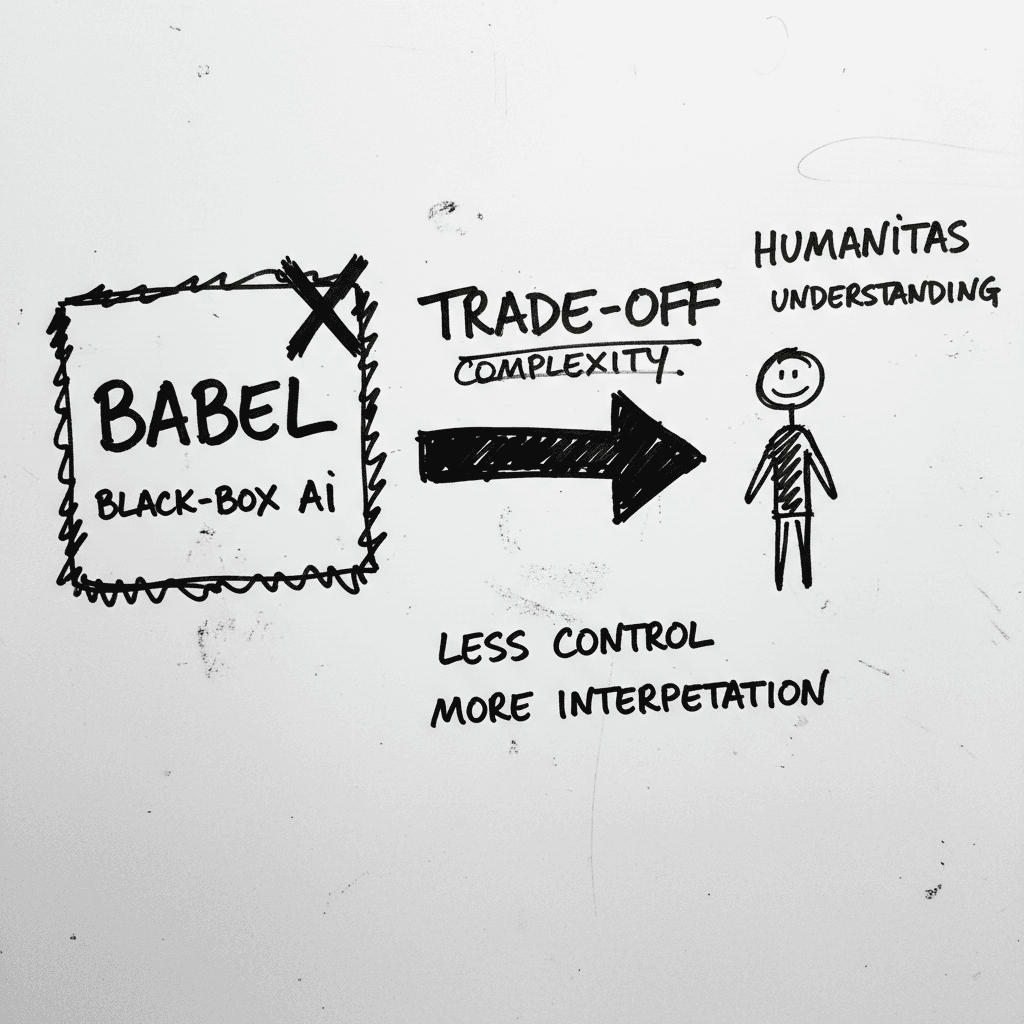
Magnifica Humanitas: The Vatican’s Framework for the GPT-5 Era
The document, signed May 15 and officially released today, was presented at the Vatican alongside Christopher Olah, co-founder of Anthropic and lead of its interpretability team (ncronline.org, Forbes
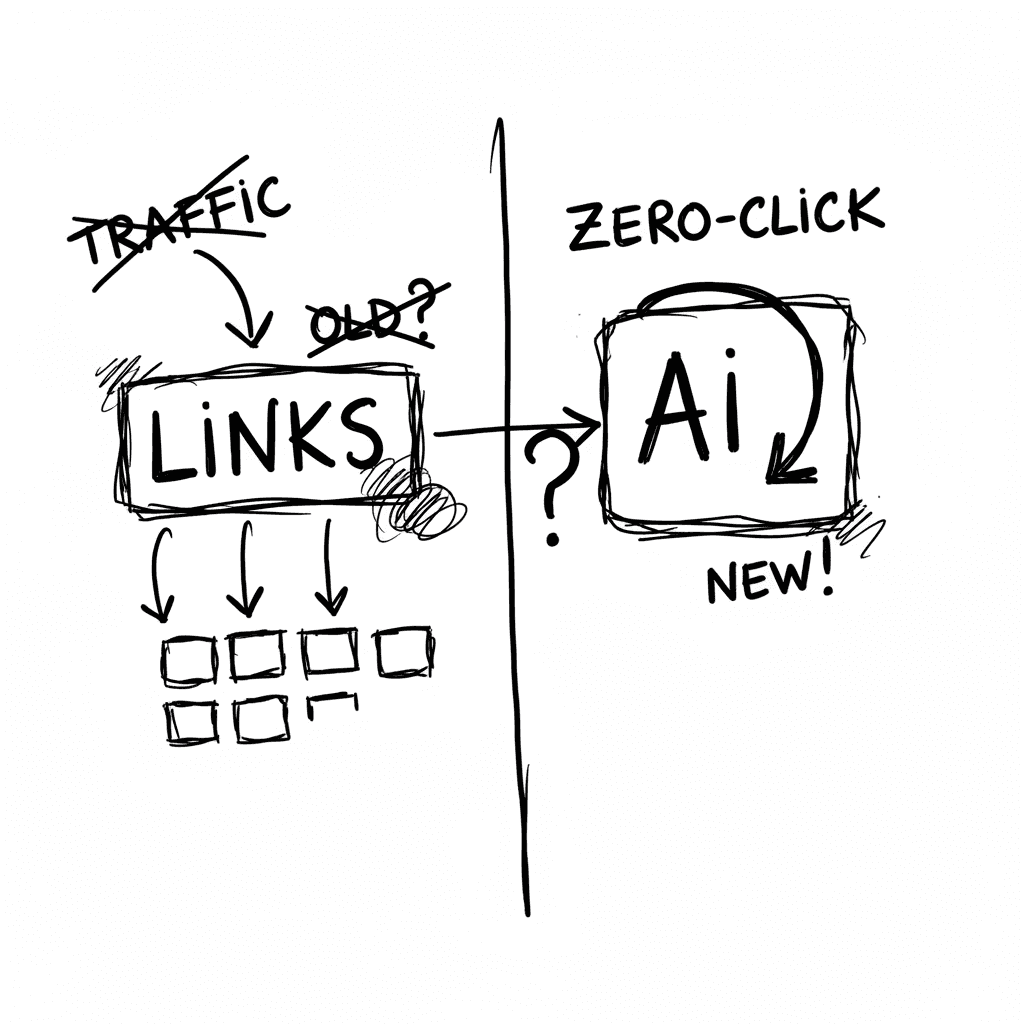
The Zero-Click Economy: Kagi Search vs. Google AI Mode
Google has effectively pivoted to an "answer engine" where Gemini 3.5 Flash provides conversational summaries, while Kagi remains the primary refuge for users seeking a human-centric, ad-free index. W
Stay Ahead of AI Adoption Trends
Get our latest reports and insights delivered to your inbox. No spam, just data.