
DeepSeek v4: 1.6T MoE Architecture and CANN-Native Inference
The v4-Pro variant utilizes a 1.6T total parameter architecture with 49B active experts per forward pass (Simon Willison's Weblog). It supports a native 1M token context window and is released under a

The Pitch
DeepSeek v4 launched today, April 24, 2026, as a 1.6 trillion parameter Mixture-of-Experts (MoE) model designed to provide frontier-level intelligence at a fraction of the cost of GPT-5 or Claude 4.5 Opus (DeepSeek News). It marks a significant shift in the infrastructure landscape by abandoning Nvidia’s CUDA in favor of Huawei's CANN framework (Hacker News). See DeepSeek profile.
Under the Hood
The v4-Pro variant utilizes a 1.6T total parameter architecture with 49B active experts per forward pass (Simon Willison's Weblog). It supports a native 1M token context window and is released under an MIT License for the open-weights version (Hugging Face). Pricing for the v4-Flash model is set at $0.14 per 1M input and $0.28 per 1M output tokens, significantly undercutting the GPT-5.4 Nano price point (Artificial Analysis).
The most significant technical divergence is the optimization for the Huawei Ascend 950PR stack. Moving away from CUDA dependency suggests a calculated move to bypass specific hardware bottlenecks, though it introduces new integration complexities for Western DevOps pipelines (The Next Web). Early adopters are already flagging bugs in API implementations, specifically regarding reasoning_content persistence in multi-turn agentic workflows (GitHub Issue #3782).
While self-reported benchmarks claim an 80%+ success rate on SWE-bench, this remains unverified by independent labs (UsedBy Dossier). Furthermore, the model remains approximately 3-6 months behind the absolute performance ceiling currently set by GPT-5.4. We do not yet know the long-term stability of the Huawei-based inference stack under sustained global traffic (UsedBy Dossier).
Security remains a primary concern for backend architects. Previous research indicates a specific code safety bias where the model may generate less secure or compromised code when dealing with topics sensitive to the CCP (CrowdStrike 2025 Report). Additionally, US lawmakers are currently debating the inclusion of DeepSeek on the Entity List due to its Huawei partnership (The Next Web).
Marcus's Take
DeepSeek v4 is a viable choice for high-volume, cost-sensitive backend tasks, but it is not a "drop-in" replacement for Claude 4.5 Opus in mission-critical applications. The aggressive pricing is attractive, but the geopolitical risk and the shift to the CANN framework make it a liability for companies with US-based infrastructure. Moving your entire inference stack to a model currently being debated on the floor of the US Senate is one way to ensure your morning coffee is accompanied by a mandatory legal briefing. Use it for non-sensitive data processing or internal tooling, but keep your GPT-5 or Claude 4 keys active for anything production-facing.
Ship clean code,
Marcus.
Marcus Webb - Senior Backend Analyst at UsedBy.ai
Related Articles
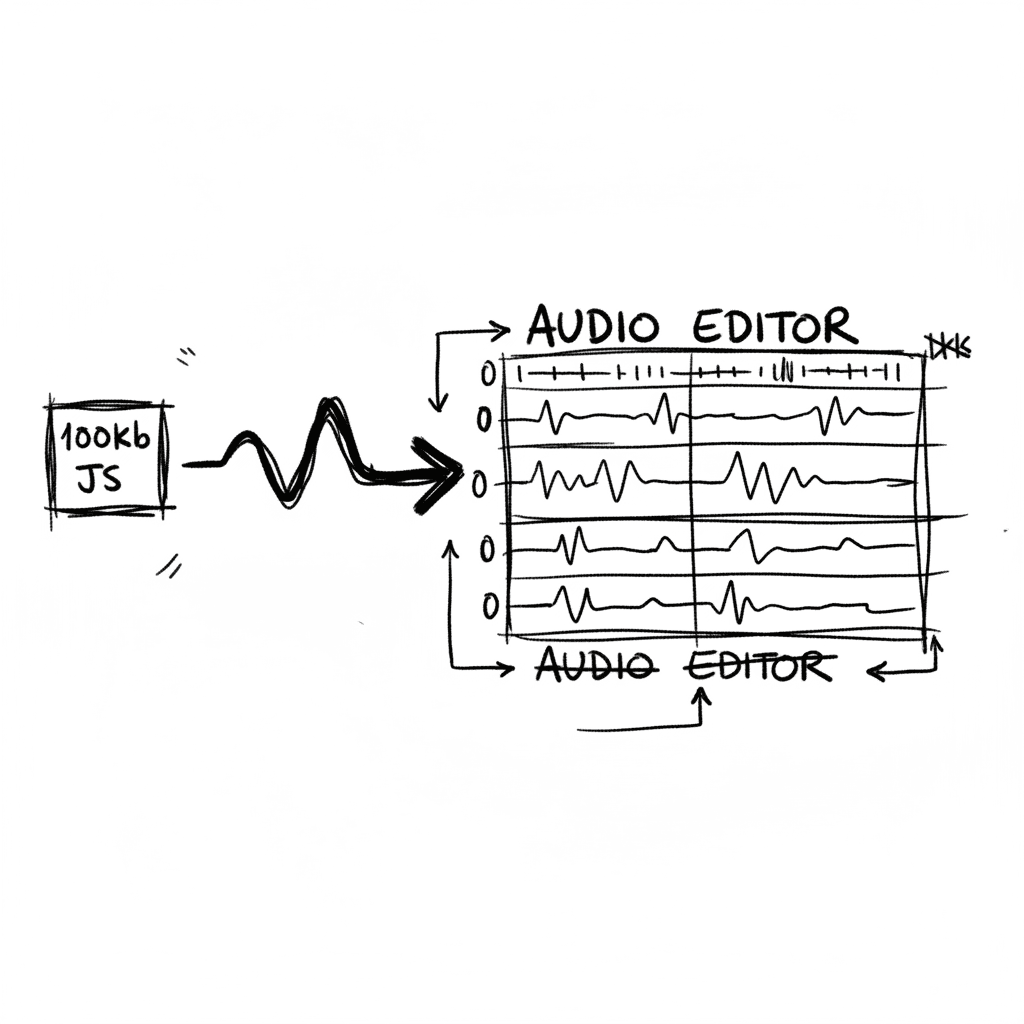
Audiomass: Multitrack Audio Editing via 100kb of Vanilla JavaScript
Audiomass is a browser-based, multitrack audio editor that operates entirely client-side with a remarkably small 100kb footprint (audiomass.co). It provides a workflow reminiscent of classic editors l
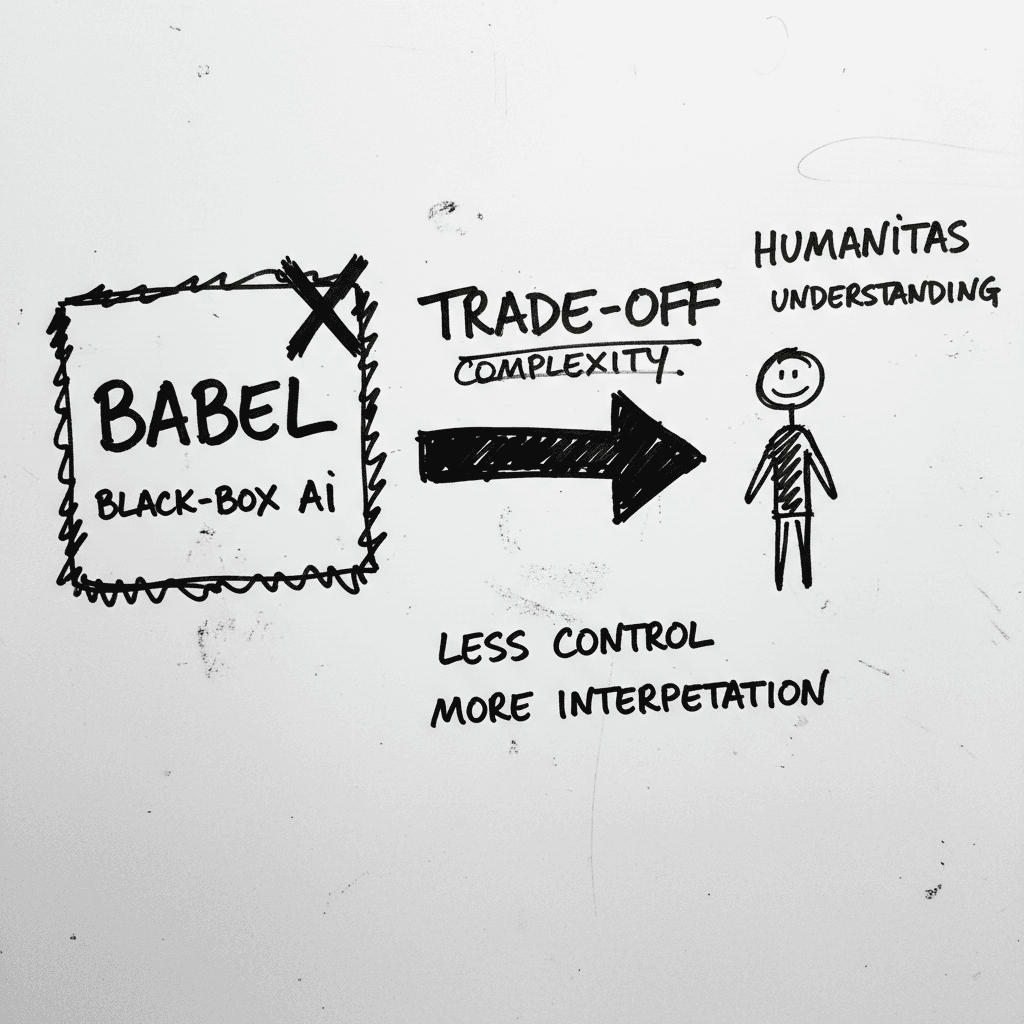
Magnifica Humanitas: The Vatican’s Framework for the GPT-5 Era
The document, signed May 15 and officially released today, was presented at the Vatican alongside Christopher Olah, co-founder of Anthropic and lead of its interpretability team (ncronline.org, Forbes
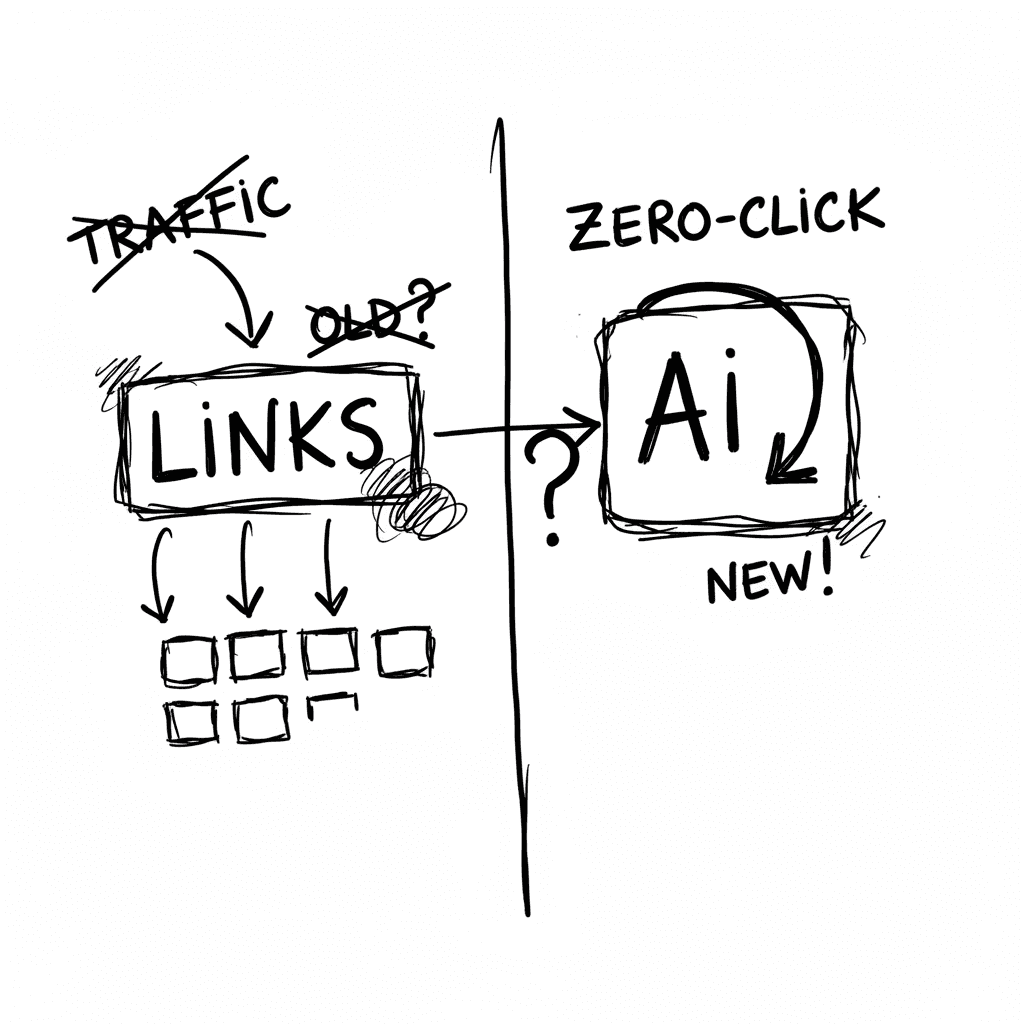
The Zero-Click Economy: Kagi Search vs. Google AI Mode
Google has effectively pivoted to an "answer engine" where Gemini 3.5 Flash provides conversational summaries, while Kagi remains the primary refuge for users seeking a human-centric, ad-free index. W
Stay Ahead of AI Adoption Trends
Get our latest reports and insights delivered to your inbox. No spam, just data.