
Firefox 148: Technical Regression and the AI Kill Switch
Firefox 148 implements a global "Master AI Kill Switch" to purge all LLM integrations and on-device models from the browser (Source: OMG! Ubuntu). CEO Anthony Enzor-DeMeo's strategic pivot follows a p

The Pitch
Firefox 148 implements a global "Master AI Kill Switch" to purge all LLM integrations and on-device models from the browser (Source: OMG! Ubuntu). CEO Anthony Enzor-DeMeo's strategic pivot follows a period of significant community friction regarding forced AI features that alienated the core user base in late 2025.
Under the Hood
The new "AI Controls" section in Settings provides granular management of translations, PDF alt-text, and link previews (Source: Help Net Security). For users opting for the full "Block AI Enhancements" toggle, the browser deletes local AI models from the disk and suppresses all "try this" prompts (Source: Malwarebytes Blog).
Performance issues necessitated this move. Prior to the kill switch, the on-device AI Tab Grouping—built on the T5 architecture—triggered massive CPU spikes and accelerated battery depletion on mobile and laptop hardware (Source: Reddit). While users can still integrate Claude 4.5 Opus or GPT-5 into the sidebar, the browser's native inference processes have been unnecessarily resource-heavy (Source: Silicon Republic).
Mozilla has decoupled remote browser improvements from telemetry, allowing updates without sharing usage data (Source: Phoronix). However, some "Remote Improvements" may still trigger background network activity unless manually disabled in Privacy settings (Source: HN).
The release is marred by a technical regression in profile management. The new toolbar-based profile manager is fundamentally broken, lacking interoperability with the legacy about:profiles system and preventing developers from setting custom directory paths (Source: Mozilla Connect). We don't know yet when a fix will be issued as there is no official ETA.
Marcus's Take
Firefox 148 is a necessary admission of failure. While the ability to purge on-device inference is a win for system resources, the broken profile system is a significant blow to developer workflows. Mozilla’s T5 implementation managed to turn high-end laptops into expensive space heaters before they finally gave us the off switch. Use it for the privacy-centric AI blocking, but keep your legacy profile backups close until they fix the directory pathing issues.
Ship clean code,
Marcus.
Marcus Webb - Senior Backend Analyst at UsedBy.ai
Related Articles
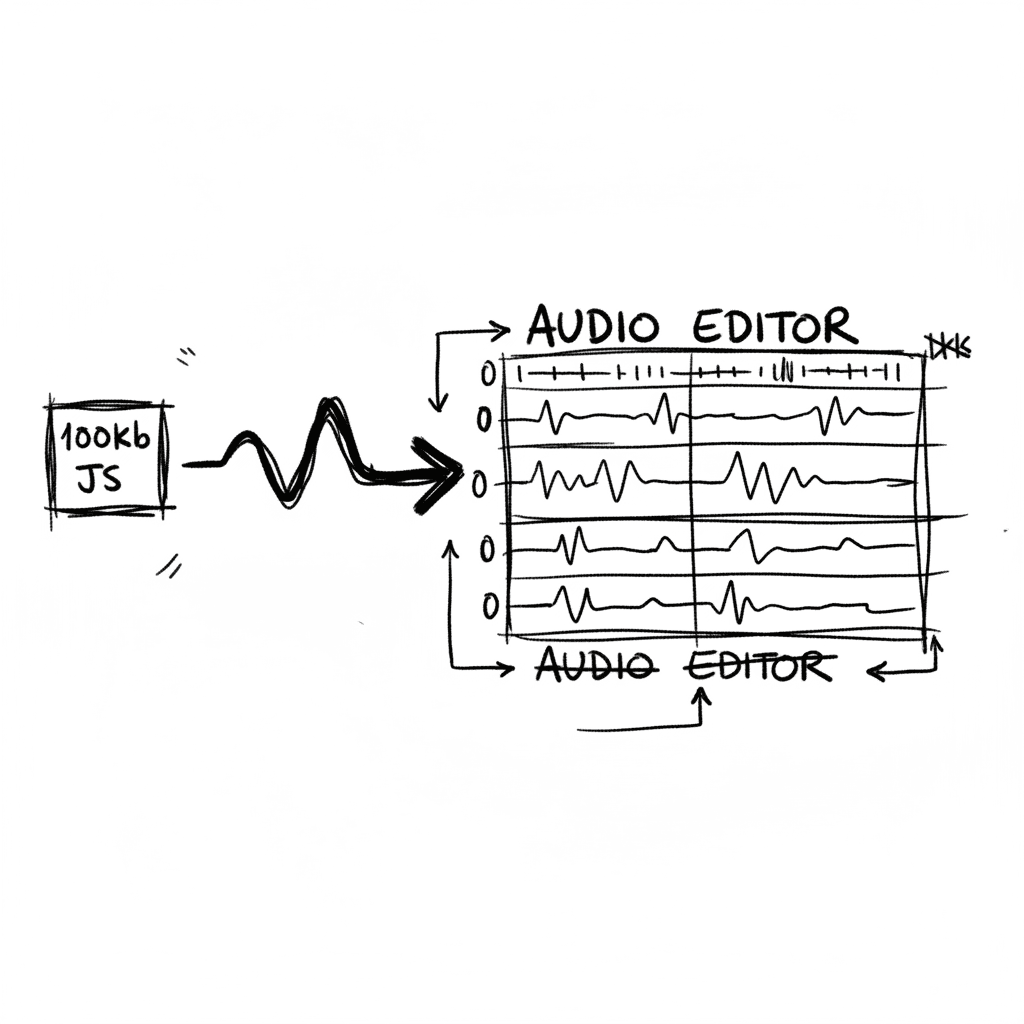
Audiomass: Multitrack Audio Editing via 100kb of Vanilla JavaScript
Audiomass is a browser-based, multitrack audio editor that operates entirely client-side with a remarkably small 100kb footprint (audiomass.co). It provides a workflow reminiscent of classic editors l
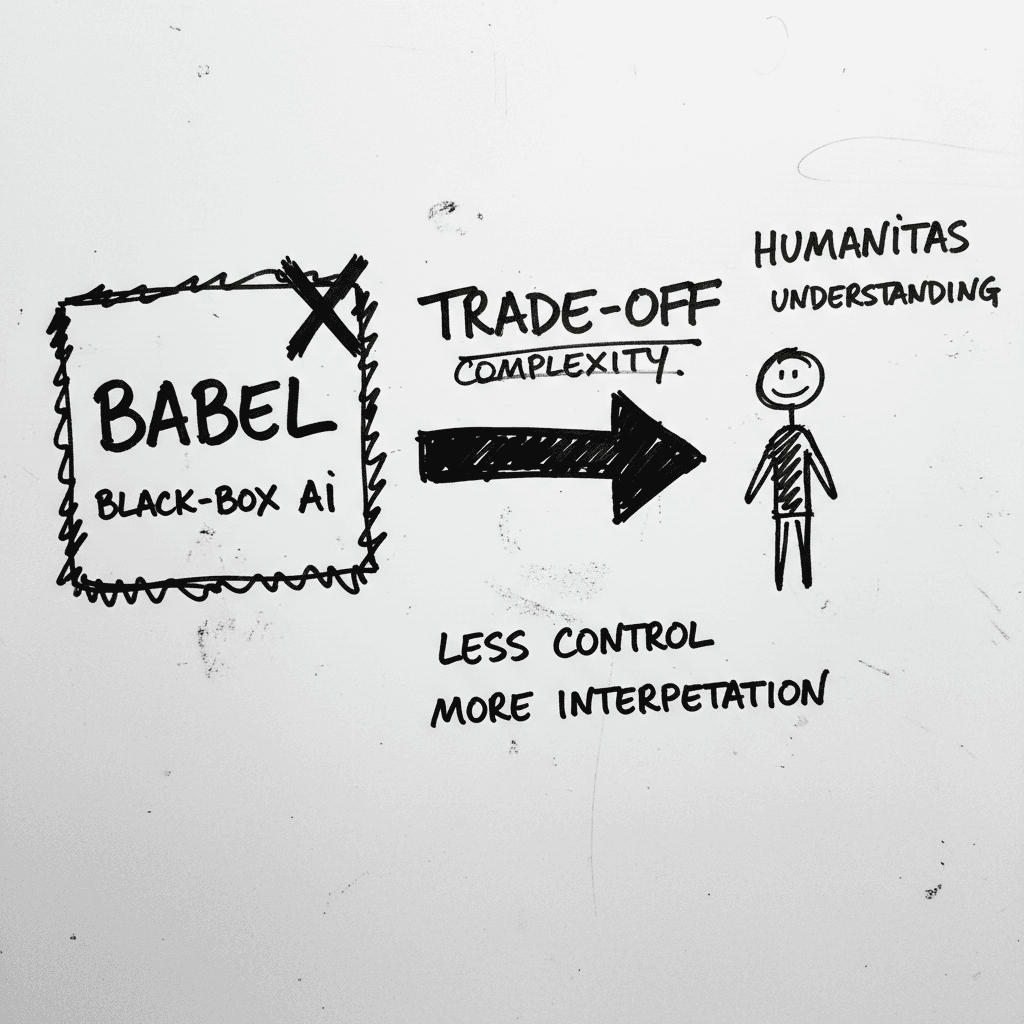
Magnifica Humanitas: The Vatican’s Framework for the GPT-5 Era
The document, signed May 15 and officially released today, was presented at the Vatican alongside Christopher Olah, co-founder of Anthropic and lead of its interpretability team (ncronline.org, Forbes
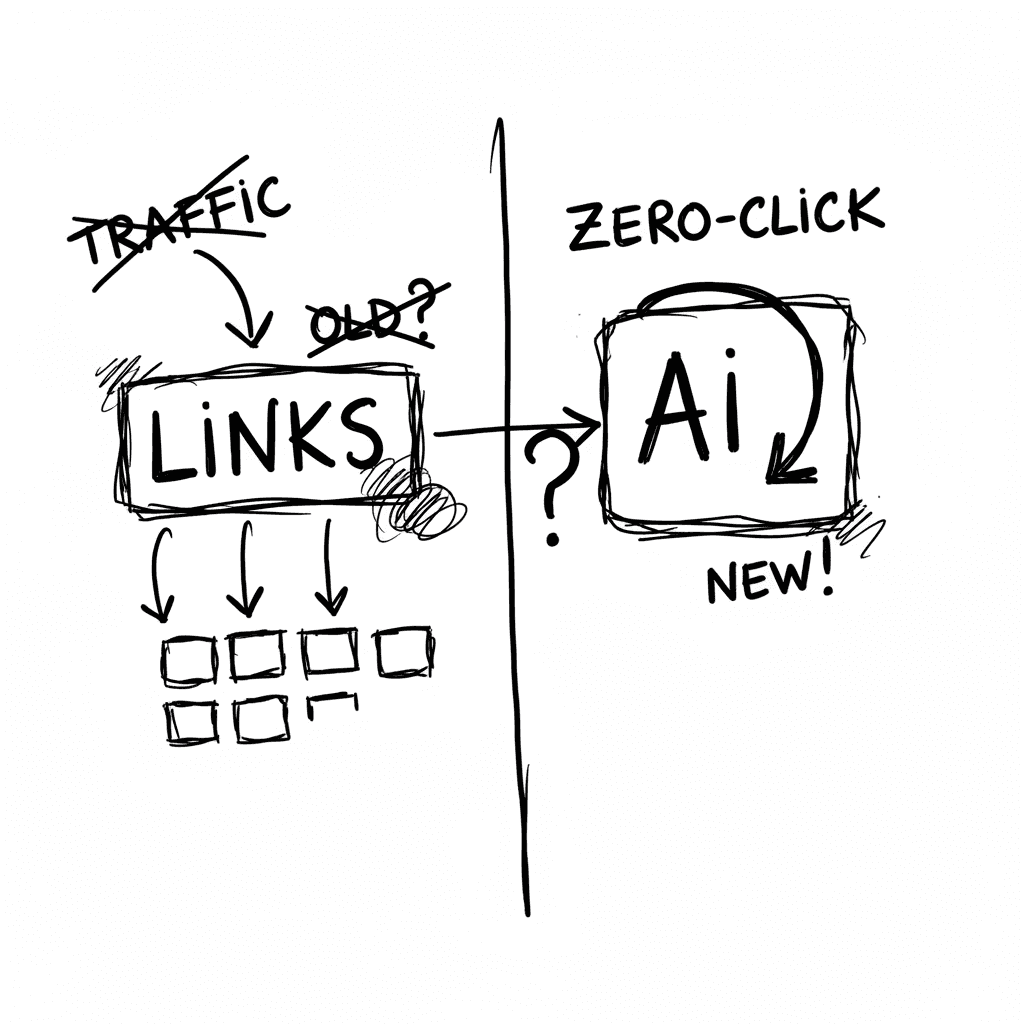
The Zero-Click Economy: Kagi Search vs. Google AI Mode
Google has effectively pivoted to an "answer engine" where Gemini 3.5 Flash provides conversational summaries, while Kagi remains the primary refuge for users seeking a human-centric, ad-free index. W
Stay Ahead of AI Adoption Trends
Get our latest reports and insights delivered to your inbox. No spam, just data.