
Friendster 2026 Analysis: Physical NFC Limitations and Domain Valuation
The 2026 Friendster relaunch mandates physical NFC handshakes as the exclusive method for establishing social connections. It is a minimalist, iOS-only platform that removes discovery algorithms and a

The Pitch
The 2026 Friendster relaunch mandates physical NFC handshakes as the exclusive method for establishing social connections. It is a minimalist, iOS-only platform that removes discovery algorithms and advertising in favor of strictly localized, in-person interactions.
Under the Hood
The current build is a 6.5 MB iOS application that lacks basic search or discovery tools, requiring users to physically tap phones to connect (Source: App Store Metadata). This architectural decision effectively prevents viral growth and excludes any remote social interaction.
Apple originally flagged the application under Guideline 4.2 for "Minimum Functionality" due to its niche focus and lack of standard features (Source: Hacker Scroller / HN Comment). The relaunch is largely a solo-dev "vibe-coded" experiment rather than a robust backend infrastructure.
Friendster Labs acquired the friendster.com domain for approximately $40,000, utilizing a mix of Bitcoin and a secondary domain generating $9k/year (Source: Wikipedia April 2026). Despite the high acquisition cost, there is no disclosed business model to cover 2026 server and storage costs (Source: UsedBy Dossier).
Current users report a "connection decay" feature where digital links fade over time, which is being criticized as a maintenance chore (Source: HN Comment). There is currently no web access or Android support, leaving the platform entirely siloed within the Apple ecosystem (Source: HN Criticisms).
We don't know yet when an Android version will be released or how the developer intends to fund long-term media storage without ads. Apple also notes that the developer's privacy practices have not been independently verified as of April 2026 (Source: App Store Listing).
Marcus's Take
Skip it. This is a nostalgic domain play wrapped in a restrictive proof-of-concept that ignores the fundamental requirements of a 2026 social stack. While the rejection of algorithmic feeds is understandable, the physical-only connection requirement is a technical dead-end for anyone with a life outside their immediate GPS coordinates. It isn't a social network; it is a $40,000 digital business card.
Ship clean code,
Marcus.
Marcus Webb - Senior Backend Analyst at UsedBy.ai
Related Articles
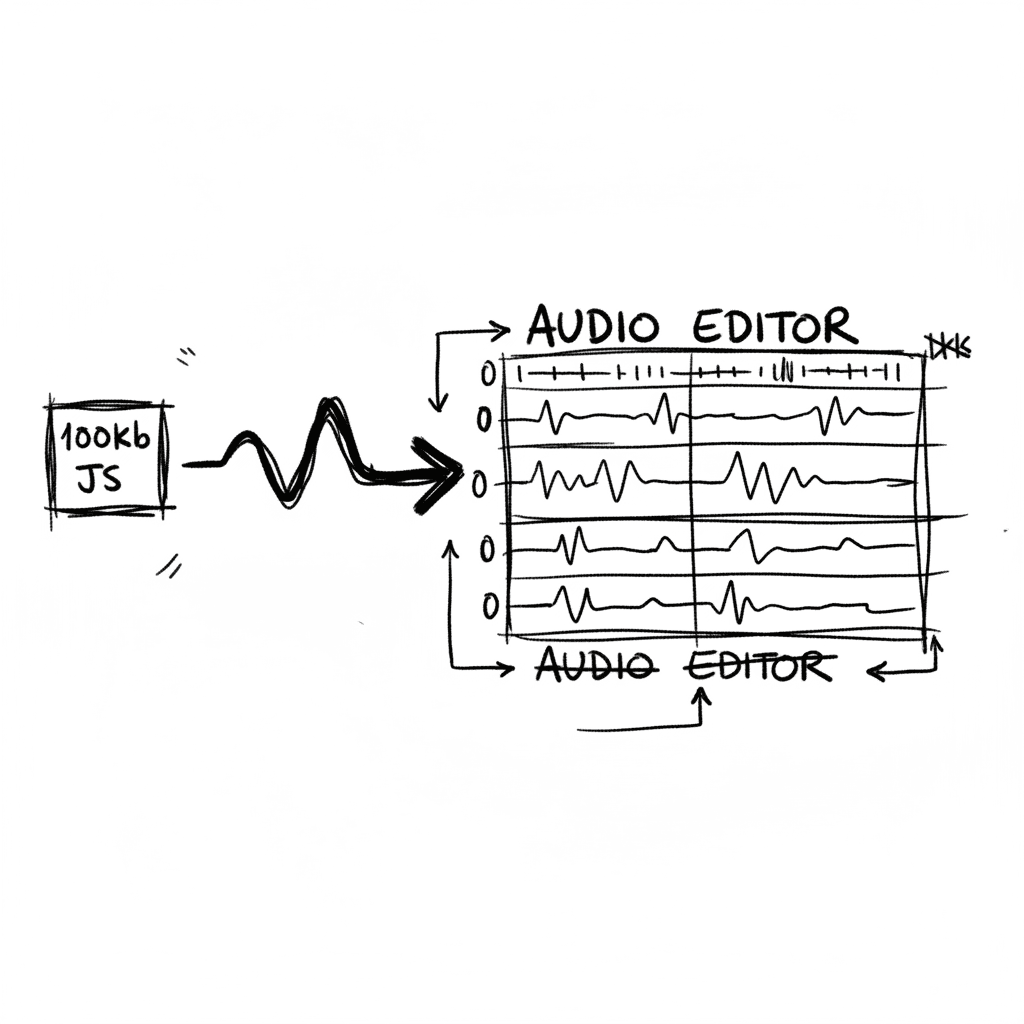
Audiomass: Multitrack Audio Editing via 100kb of Vanilla JavaScript
Audiomass is a browser-based, multitrack audio editor that operates entirely client-side with a remarkably small 100kb footprint (audiomass.co). It provides a workflow reminiscent of classic editors l
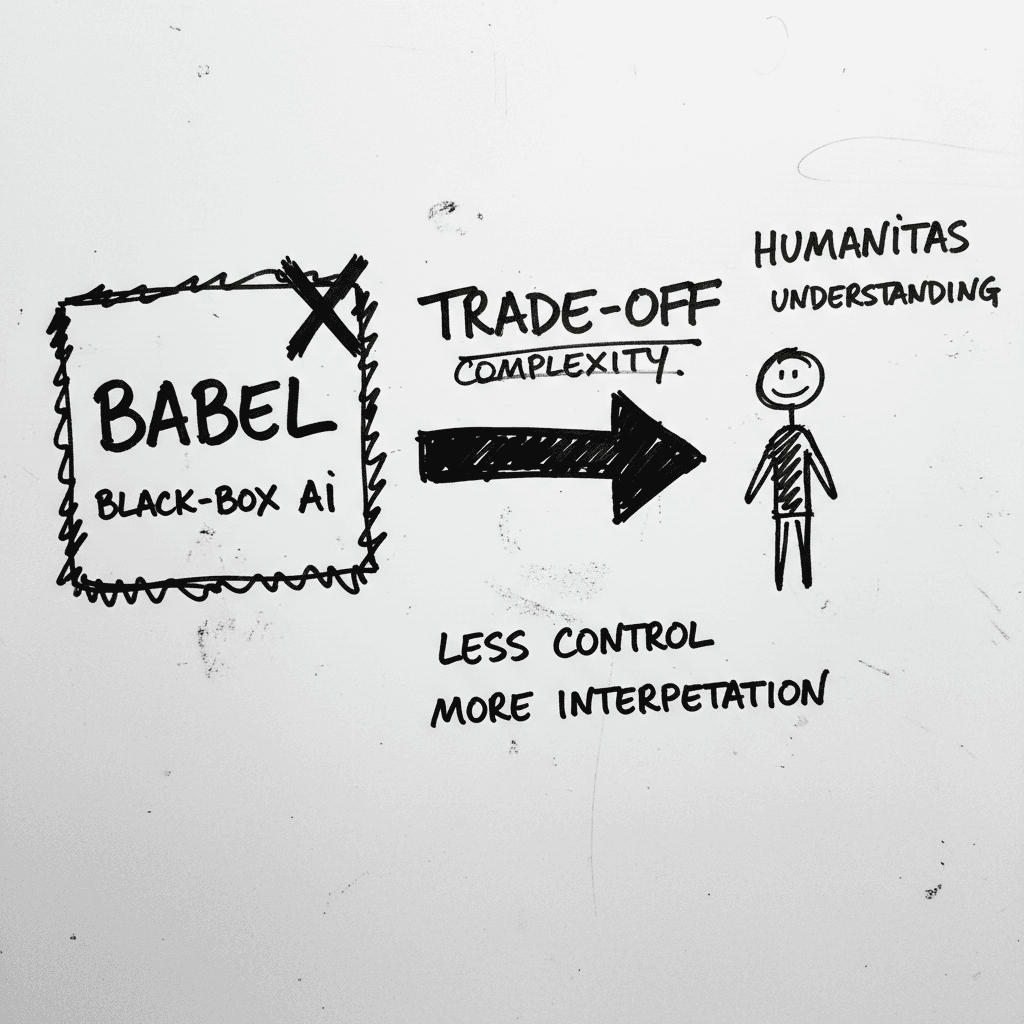
Magnifica Humanitas: The Vatican’s Framework for the GPT-5 Era
The document, signed May 15 and officially released today, was presented at the Vatican alongside Christopher Olah, co-founder of Anthropic and lead of its interpretability team (ncronline.org, Forbes
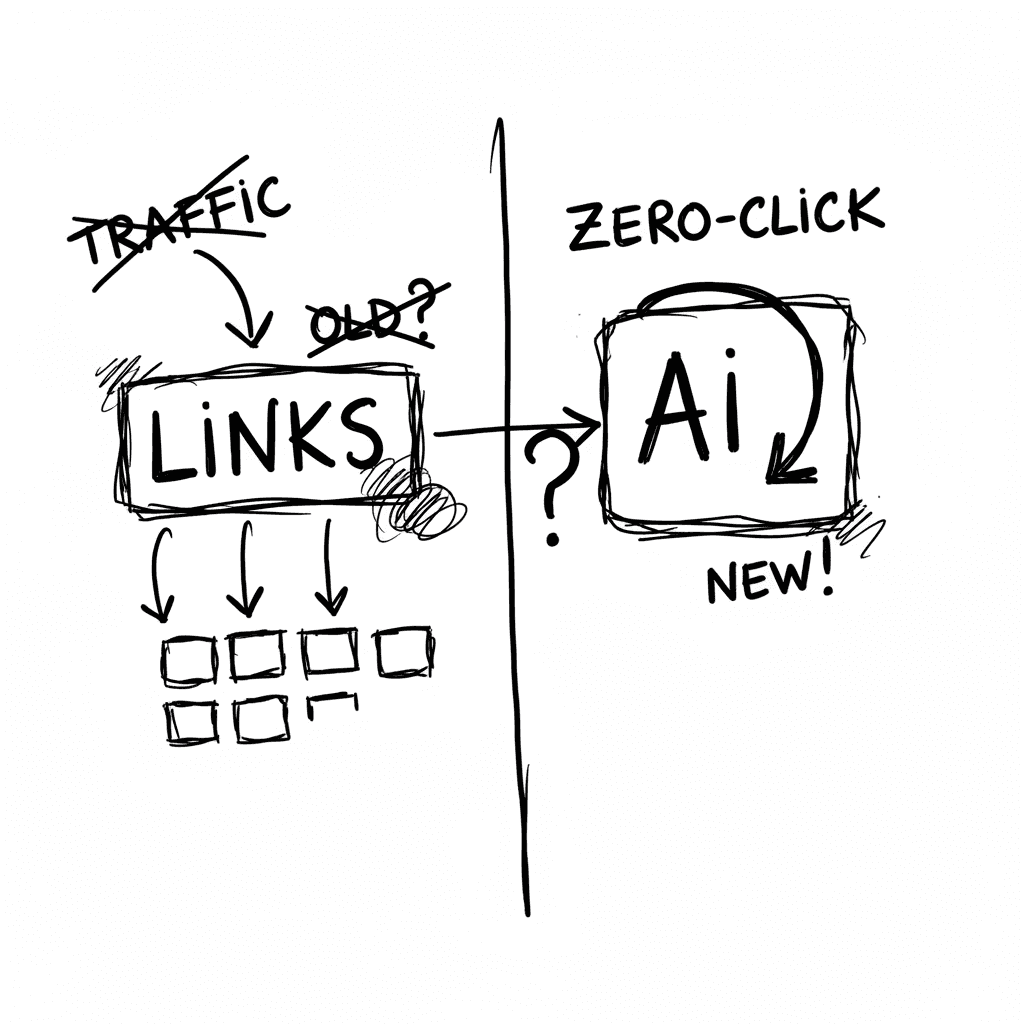
The Zero-Click Economy: Kagi Search vs. Google AI Mode
Google has effectively pivoted to an "answer engine" where Gemini 3.5 Flash provides conversational summaries, while Kagi remains the primary refuge for users seeking a human-centric, ad-free index. W
Stay Ahead of AI Adoption Trends
Get our latest reports and insights delivered to your inbox. No spam, just data.