
Git-memento: Recording AI reasoning via git-notes
The technical implementation faces significant hurdles regarding visibility and utility:

The Pitch
Git-memento leverages the underutilised git notes feature to store AI session traces as metadata without polluting the primary commit history. (Source: GitHub mandel-macaque/memento README). This CLI extension captures the logic exchange between developers and LLMs, attaching human-readable Markdown notes to commits for auditing purposes. (Source: HN Thread).
Under the Hood
The tool operates as a standard Git extension (git-memento) and stores session traces outside the main commit object. (Source: Repository installation docs). By using git notes, the implementation keeps the primary log clean while allowing developers to retrieve reasoning context when required. (Source: GitHub mandel-macaque/memento README).
The technical implementation faces significant hurdles regarding visibility and utility:
- Most web-based Git forges, including GitHub and GitLab, do not natively render
git notesin Pull Request views. (Source: HN Comment #1.9). - Captured traces include raw AI back-and-forth, which often contains hallucinations or discarded logic paths. (Source: HN Comment #2).
- The tool supports multiple AI providers and extensible session IDs for broader workflow integration. (Source: GitHub Issue).
- Current models like Claude 4.5 Opus may find reasoning from older 2025 models obsolete, leading to "context rot" in long-term projects. (Source: UsedBy Dossier).
We do not know yet how thousands of these metadata attachments impact performance during cloning or fetching in large-scale monorepos. (Source: Missing Info). Furthermore, it is currently unclear if 2026-era agents like Cursor or Windsurf can automatically trigger these recordings during autonomous runs. (Source: Missing Info).
Marcus's Take
Git-memento is an elegant solution to a problem we probably shouldn't have. If your logic is so opaque that you need a 200KB Markdown trace to justify a 10-line diff, your prompt engineering—or your model choice—is the primary issue. Most of this data will sit unread in git-notes until the heat death of the universe, or at least until a developer realizes their git fetch is lagging due to metadata bloat. It's a clever hack for niche auditing, but for standard production environments, it's high-entropy junk. Skip it.
Ship clean code,
Marcus.
Marcus Webb - Senior Backend Analyst at UsedBy.ai
Related Articles
Audiomass: Multitrack Audio Editing via 100kb of Vanilla JavaScript
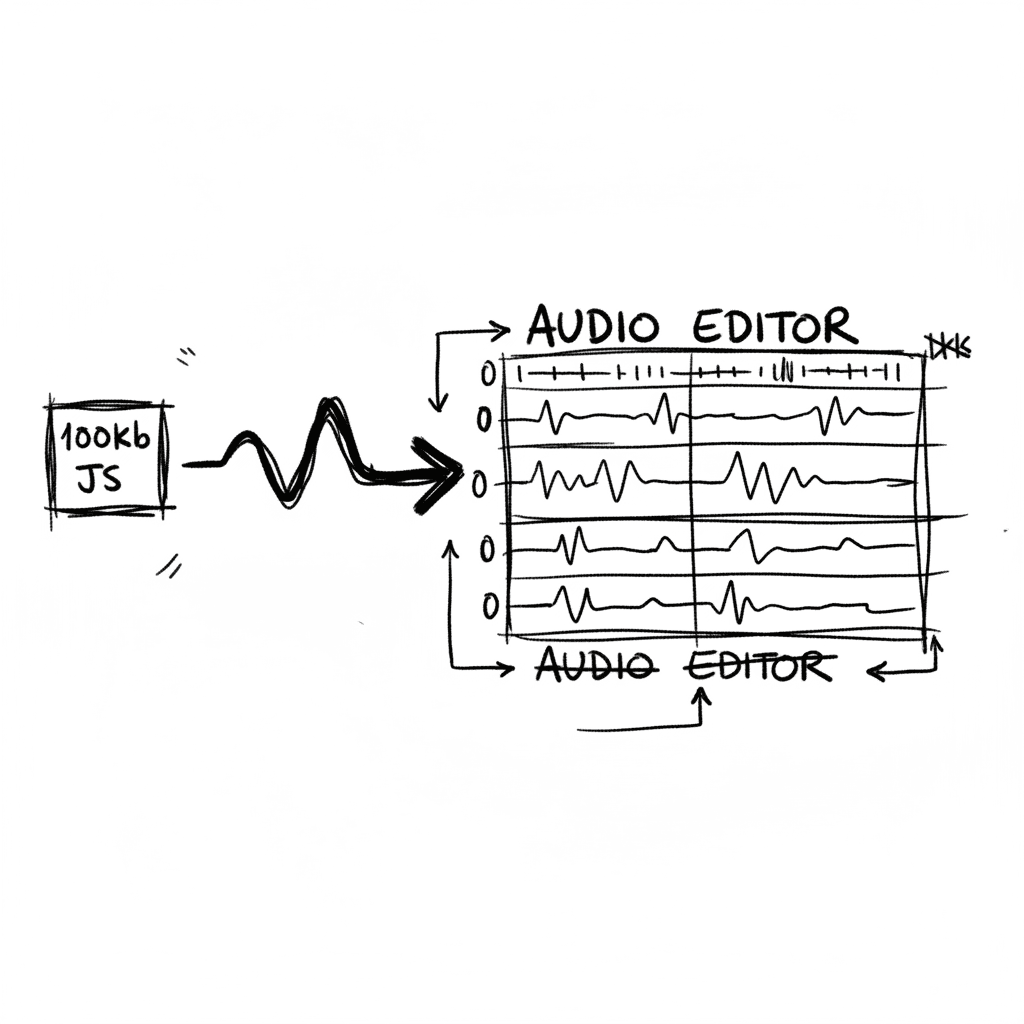
Audiomass is a browser-based, multitrack audio editor that operates entirely client-side with a remarkably small 100kb footprint (audiomass.co). It provides a workflow reminiscent of classic editors l
Magnifica Humanitas: The Vatican’s Framework for the GPT-5 Era
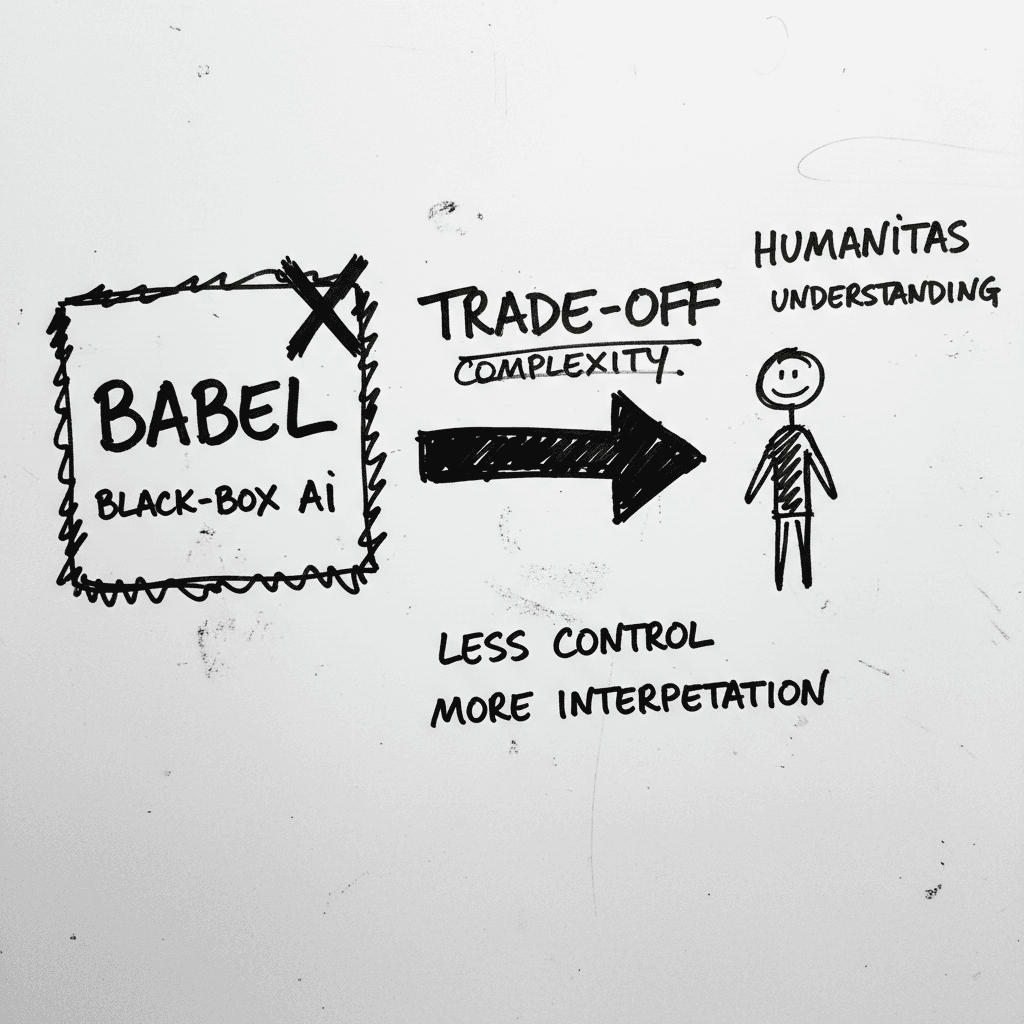
The document, signed May 15 and officially released today, was presented at the Vatican alongside Christopher Olah, co-founder of Anthropic and lead of its interpretability team (ncronline.org, Forbes
The Zero-Click Economy: Kagi Search vs. Google AI Mode
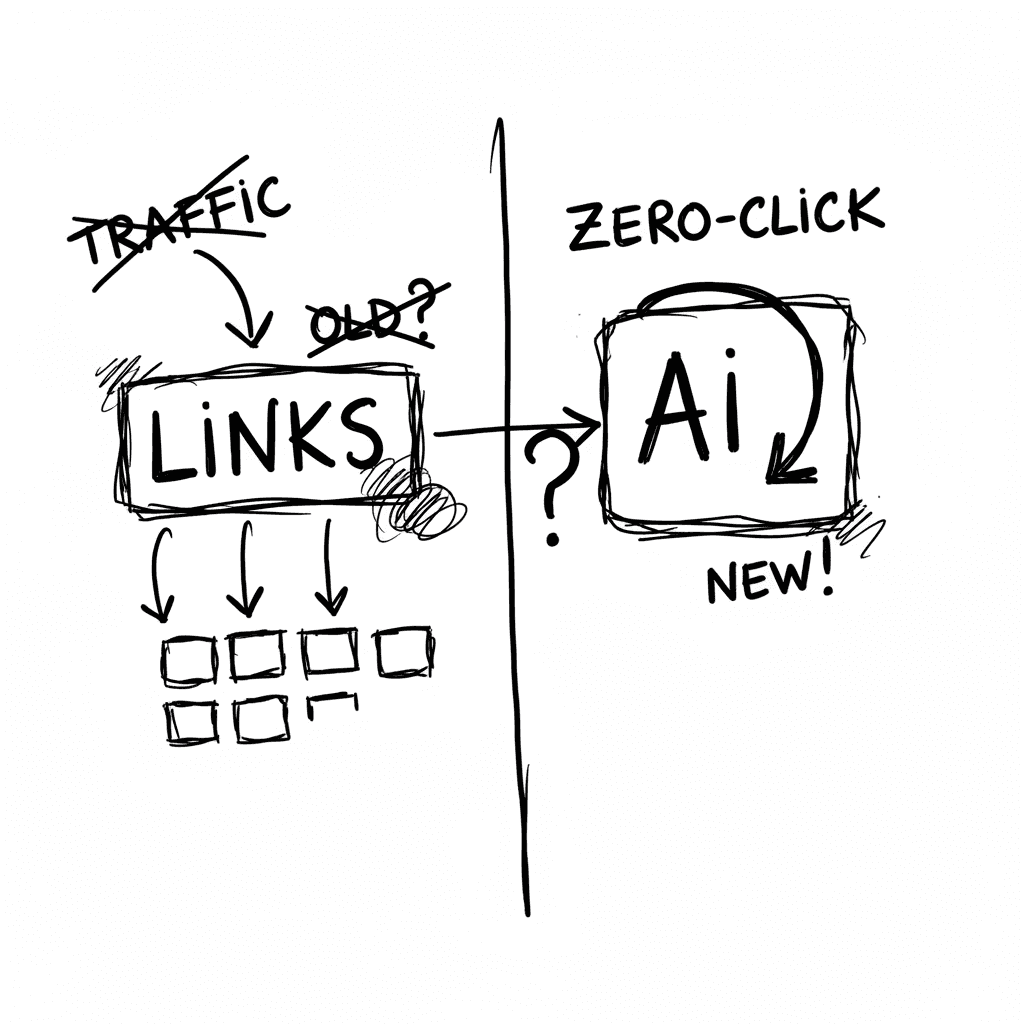
Google has effectively pivoted to an "answer engine" where Gemini 3.5 Flash provides conversational summaries, while Kagi remains the primary refuge for users seeking a human-centric, ad-free index. W
Stay Ahead of AI Adoption Trends
Get our latest reports and insights delivered to your inbox. No spam, just data.