
Google Search Central Targets Back Button Hijacking for Spam Penalties
Google will begin penalizing websites that use "back button hijacking" to manipulate browser history and prevent users from returning to search results. This policy, announced by Chris Nelson on April

The Pitch
Google will begin penalizing websites that use "back button hijacking" to manipulate browser history and prevent users from returning to search results. This policy, announced by Chris Nelson on April 13, 2026, classifies the practice as an explicit spam violation under malicious practices (Source: Search Engine Land).
Under the Hood
Enforcement of this policy starts on June 15, 2026, through a combination of manual spam actions and automated ranking demotions (Source: PPC Land). The technical definition of the violation focuses on any technique that inserts or replaces deceptive pages into a user's browser history (Source: Google Search Central Documentation).
The primary mechanism being targeted is the abuse of the History API—specifically pushState and replaceState—to trap users within a domain. While this is a clear win for user experience, the implementation places a significant auditing burden on backend and frontend engineers. Many instances of history manipulation are injected by third-party advertising platforms or engagement widgets, such as LinkedIn’s history scripts, rather than the site’s own codebase (Source: HN Thread).
Detecting these violations is notoriously difficult because history manipulation is often triggered conditionally based on the user's entry point or device type (Source: Stack Overflow). Furthermore, we don't know yet what the specific threshold is for "automated demotions" or how many violations are required to trigger a rank drop (UsedBy Dossier).
There is also a lack of clarity regarding how this policy will affect Single Page Applications (SPAs). While SPAs rely on client-side routing for legitimate navigation, the line between a "functional" route change and a "deceptive" history injection remains thin in the current documentation (UsedBy Dossier). It is also unclear if Google plans to expand this policy to include the hijacking of Ctrl+F or Right-Click functionality (Source: 9to5Google).
Marcus's Take
This is a classic Google move: identifying a genuine UX nuisance and making it your problem to fix. If you are running a complex ad stack or third-party "retention" widgets, you have exactly two months to audit your dependencies before your SEO takes a hit. It is the digital equivalent of a supermarket door that only opens one way—excellent for the merchant, but a miserable experience for the customer. Audit your window.history calls now; Google won't care if it was a third-party script that tanked your rankings.
Ship clean code,
Marcus.
Marcus Webb - Senior Backend Analyst at UsedBy.ai
Related Articles
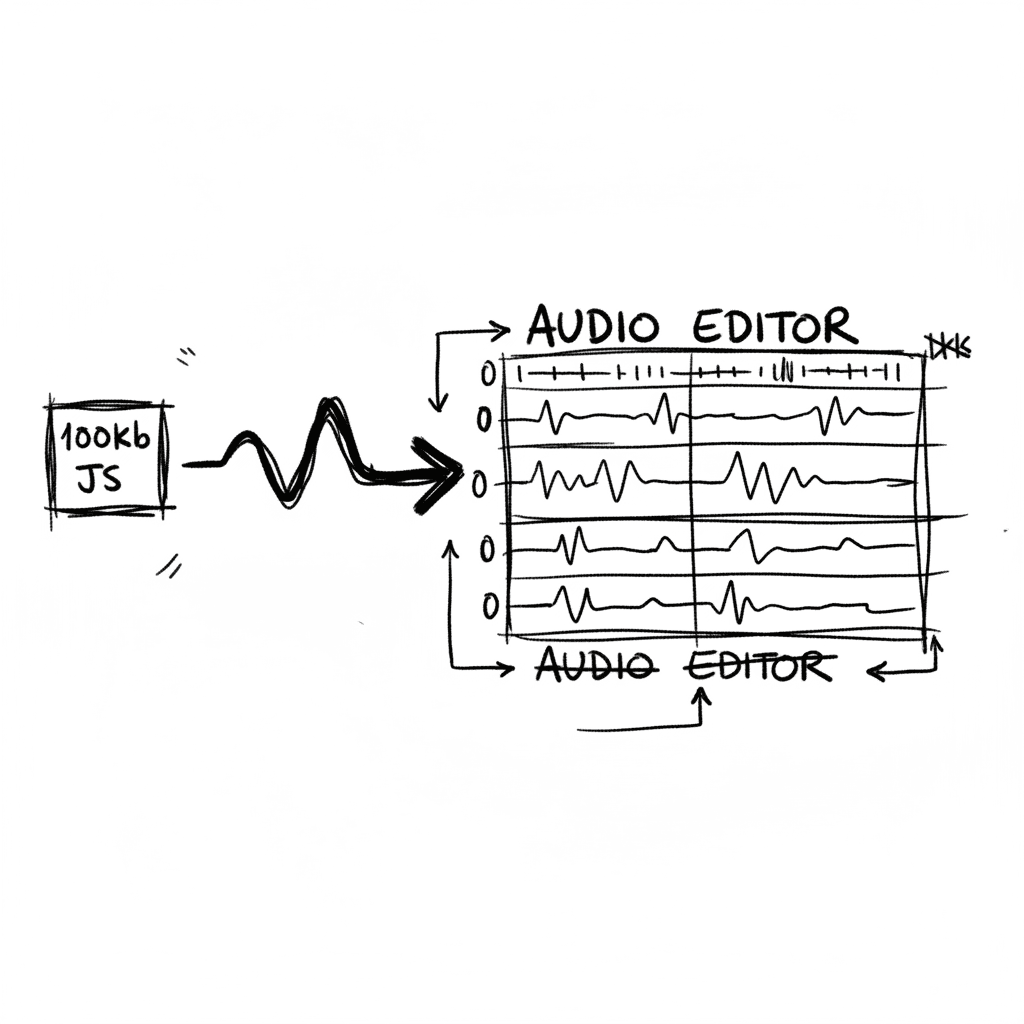
Audiomass: Multitrack Audio Editing via 100kb of Vanilla JavaScript
Audiomass is a browser-based, multitrack audio editor that operates entirely client-side with a remarkably small 100kb footprint (audiomass.co). It provides a workflow reminiscent of classic editors l
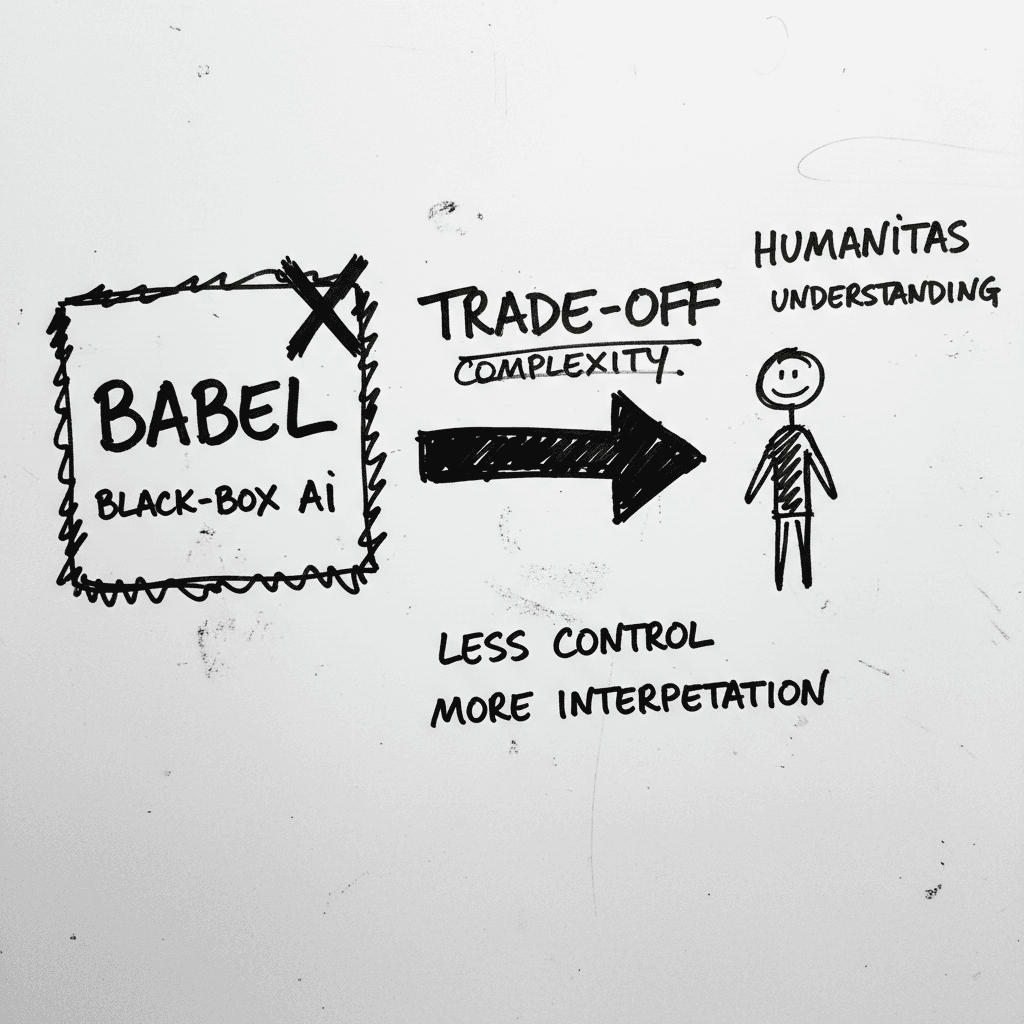
Magnifica Humanitas: The Vatican’s Framework for the GPT-5 Era
The document, signed May 15 and officially released today, was presented at the Vatican alongside Christopher Olah, co-founder of Anthropic and lead of its interpretability team (ncronline.org, Forbes
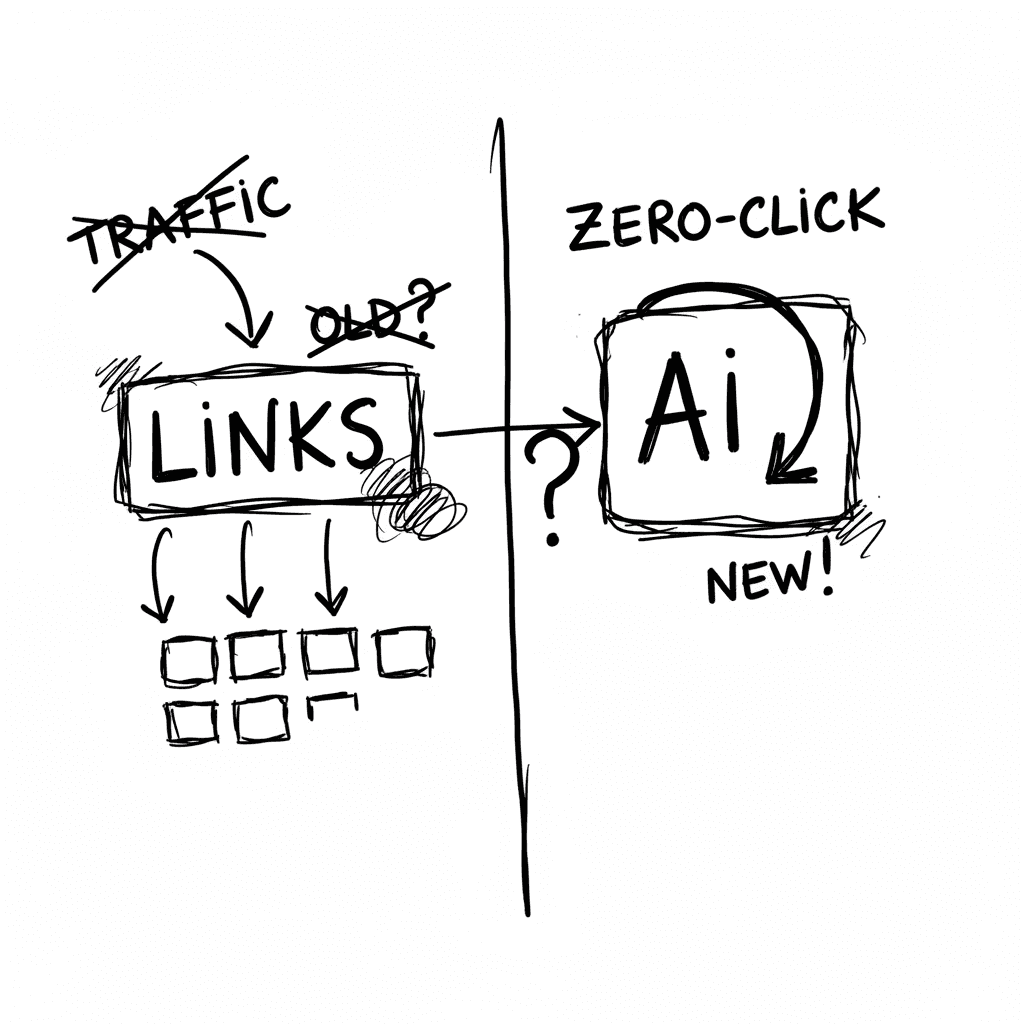
The Zero-Click Economy: Kagi Search vs. Google AI Mode
Google has effectively pivoted to an "answer engine" where Gemini 3.5 Flash provides conversational summaries, while Kagi remains the primary refuge for users seeking a human-centric, ad-free index. W
Stay Ahead of AI Adoption Trends
Get our latest reports and insights delivered to your inbox. No spam, just data.