
GPT-5.3-Codex-Spark and the Cerebras WSE-3 Architecture
OpenAI released GPT-5.3-Codex-Spark on February 12, 2026, delivering over 1,000 tokens per second for real-time inference (OpenAI Release). The model is a specialized distillation of the GPT-5 line, o

The Pitch
OpenAI released GPT-5.3-Codex-Spark on February 12, 2026, delivering over 1,000 tokens per second for real-time inference (OpenAI Release). The model is a specialized distillation of the GPT-5 line, optimized specifically for Codex CLI and IDE integration through a $10 billion partnership with Cerebras (ChosunBiz). It targets developers who prioritize low-latency feedback loops over deep architectural reasoning.
Under the Hood
The model runs on Cerebras Wafer Scale Engine 3 (WSE-3) chips, which house 4 trillion transistors on a single silicon wafer (The Register, OpenAI Blog). This hardware shift moves OpenAI away from total NVIDIA dependency for its specialized coding models. The 128k context window is maintained, but the underlying logic is tuned for rapid prototyping rather than complex backend engineering (Gadgets360).
Independent testing shows a notable drop in quality compared to the standard GPT-5.3 or Claude 4 Opus. Simon Willison's "Pelican Benchmark" identifies Spark as less capable for complex reasoning tasks. Users report a persistent "action bias," where the model ignores explicit constraints in favor of immediate code generation (Reddit r/codex).
A significant risk involves "Cyber Abuse Rerouting." When the system flags a query as potentially malicious, it silently redirects the request to a slower, less-capable model, causing massive latency spikes (GitHub Issue #11189). We do not know the exact parameter count of this distilled version or if the rerouting system frequently flags legitimate enterprise security tools.
Marcus's Take
Spark is built for speed, not for depth. It is remarkably efficient at being wrong very quickly if the prompt requires more than a few lines of logic. Use it as a glorified autocomplete for boilerplate or CSS tweaks, but keep it away from your core business logic. For anything requiring structural integrity, stick to the full GPT-5.3 or Claude 4 Opus.
Ship clean code,
Marcus.
Marcus Webb - Senior Backend Analyst at UsedBy.ai
Related Articles
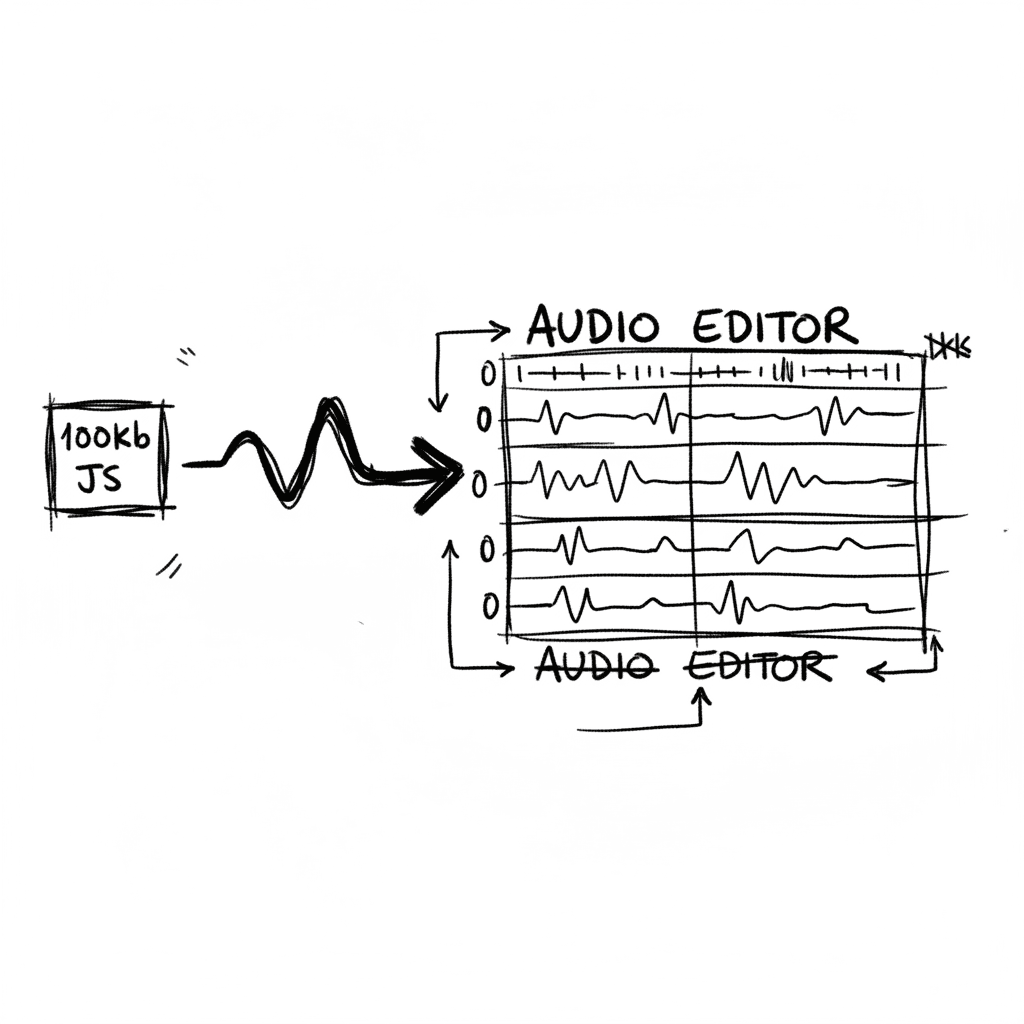
Audiomass: Multitrack Audio Editing via 100kb of Vanilla JavaScript
Audiomass is a browser-based, multitrack audio editor that operates entirely client-side with a remarkably small 100kb footprint (audiomass.co). It provides a workflow reminiscent of classic editors l
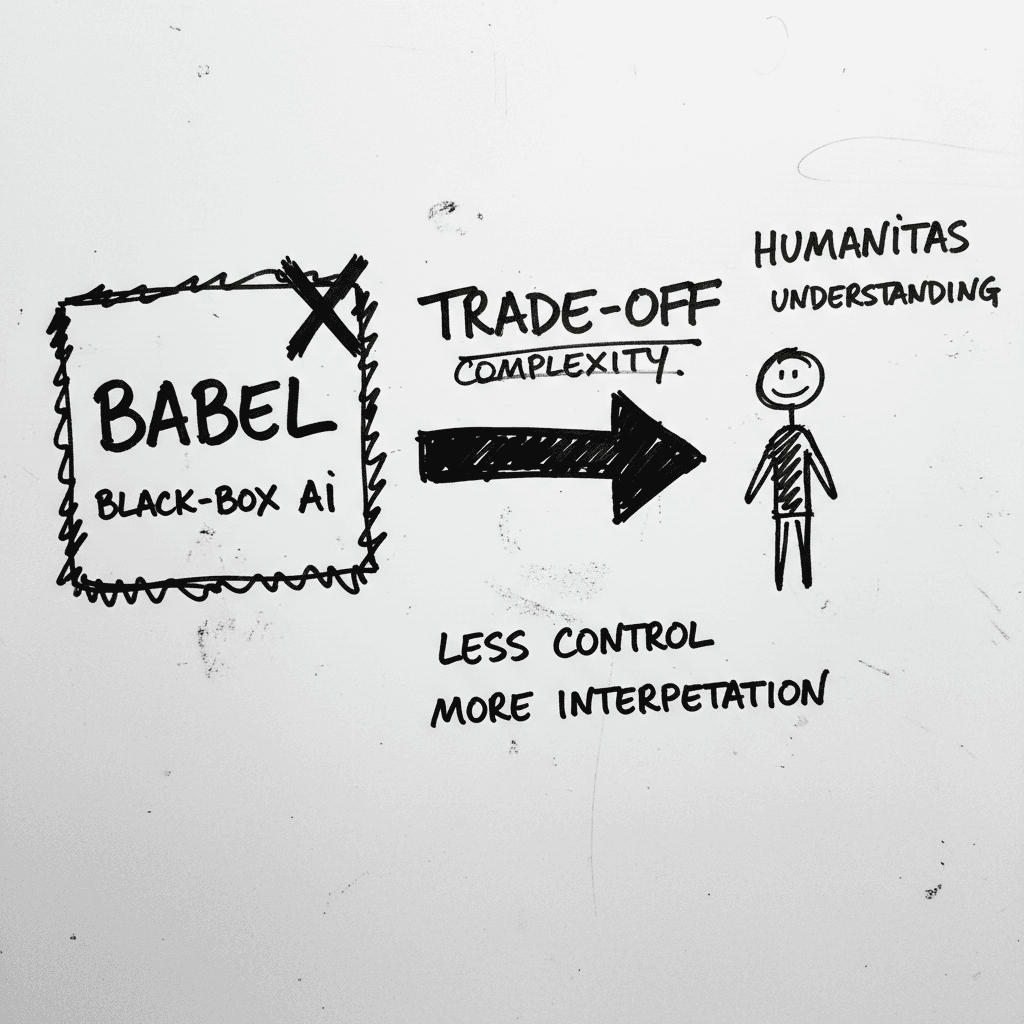
Magnifica Humanitas: The Vatican’s Framework for the GPT-5 Era
The document, signed May 15 and officially released today, was presented at the Vatican alongside Christopher Olah, co-founder of Anthropic and lead of its interpretability team (ncronline.org, Forbes
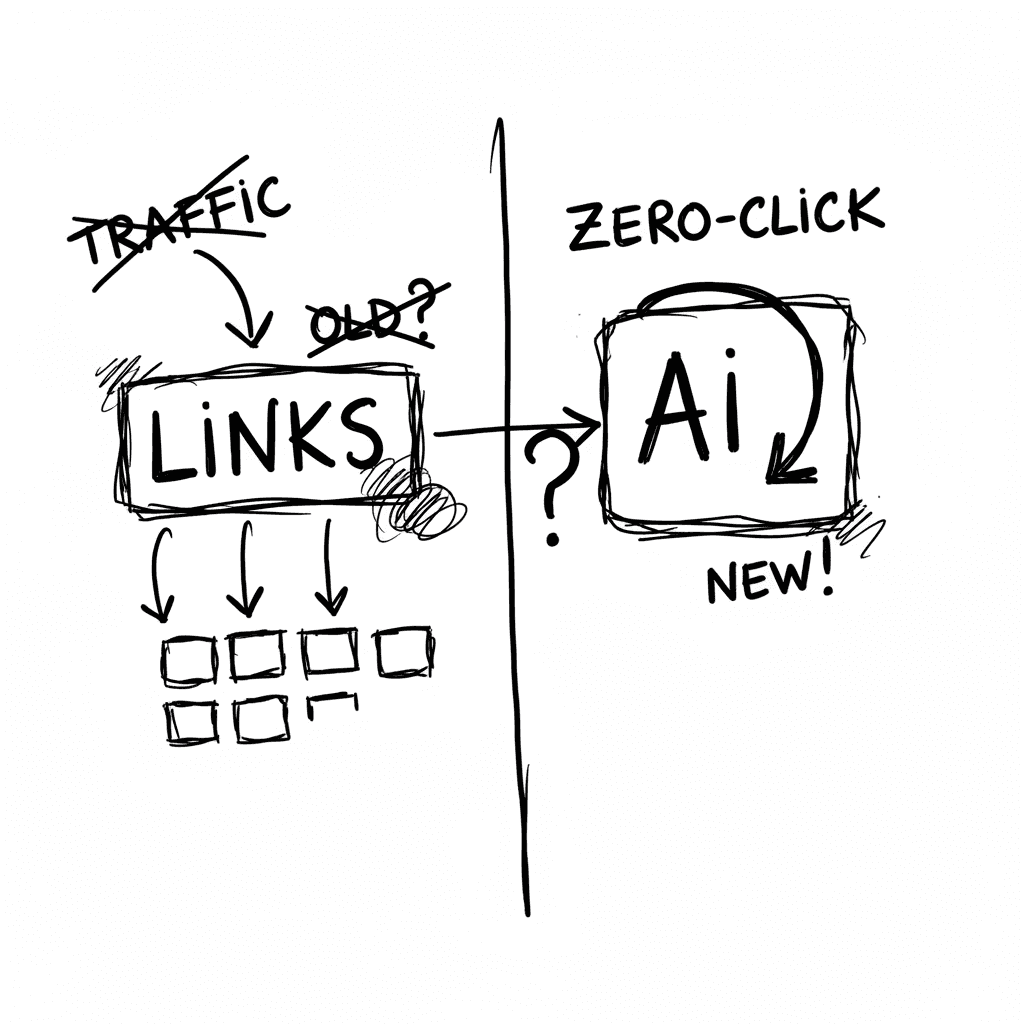
The Zero-Click Economy: Kagi Search vs. Google AI Mode
Google has effectively pivoted to an "answer engine" where Gemini 3.5 Flash provides conversational summaries, while Kagi remains the primary refuge for users seeking a human-centric, ad-free index. W
Stay Ahead of AI Adoption Trends
Get our latest reports and insights delivered to your inbox. No spam, just data.