
Idiomatic Design Methodology and the Failure of Generative UI Standards
Modern software development is sacrificing interaction predictability for generative speed as LLMs like GPT-5 increasingly bypass native system idioms. John Loeber’s methodology argues for the rejecti

The Pitch
Modern software development is sacrificing interaction predictability for generative speed as LLMs like GPT-5 increasingly bypass native system idioms. John Loeber’s methodology argues for the rejection of custom-branded components in favour of system-native patterns to ensure accessibility and power-user efficiency (johnloeber.com, 2026). The industry shift toward "Vibe Engineering" has turned this architectural debate into a technical crisis for backend stability and frontend consistency.
Under the Hood
Loeber identifies Win32 and AppKit as the historical benchmarks for high-quality, predictable UI interaction (HN Thread). In April 2026, the rise of "full-cycle engineering" via GPT-5 and Gemini 2.5 Pro has led many teams to bypass traditional Human Centered Design (HCD) phases (Forbes, Dec 2025). This results in components that look functional but lack the underlying logic for standard OS behaviors like deep-linking or keyboard-first input.
React Native and Flutter remain the dominant cross-platform frameworks, but they continue to wrap rather than adopt native UI behaviours (Wix Studio, Nov 2025). This creates a layer of abstraction where "AI Design Drift" frequently occurs. Generative tools in 2026 often hallucinate non-standard interaction patterns, such as text boxes that fail to support standard system shortcuts (UsedBy Dossier).
Modern software is increasingly designed by hastily promoted PMs who prioritise engagement metrics over interaction consistency (HN Comment). This shift has led to a significant regression in accessibility. Custom AI-generated components often lack the mature accessibility markers found in established frameworks like Radix or shadcn/ui (Dev Community, 2025).
We do not know yet the specific scale of productivity loss caused by these non-idiomatic interfaces. There is currently no unified "Idiom Guardrail" tool available for LLMs to prevent the generation of non-standard interaction patterns. Until such a validator exists, the technical debt incurred by generative UI will continue to accumulate.
Marcus's Take
If you are shipping enterprise software in 2026, enforce Idiomatic Design or prepare for a support nightmare. LLMs are excellent at writing boilerplate but incompetent at maintaining the sophisticated interaction logic of native OS idioms. Shipping a UI that breaks the back button is not "innovation"—it is a failure of basic engineering. Stick to native system patterns and stop letting GPT-5 hallucinate your user experience into obsolescence.
Ship clean code,
Marcus.
Marcus Webb - Senior Backend Analyst at UsedBy.ai
Related Articles
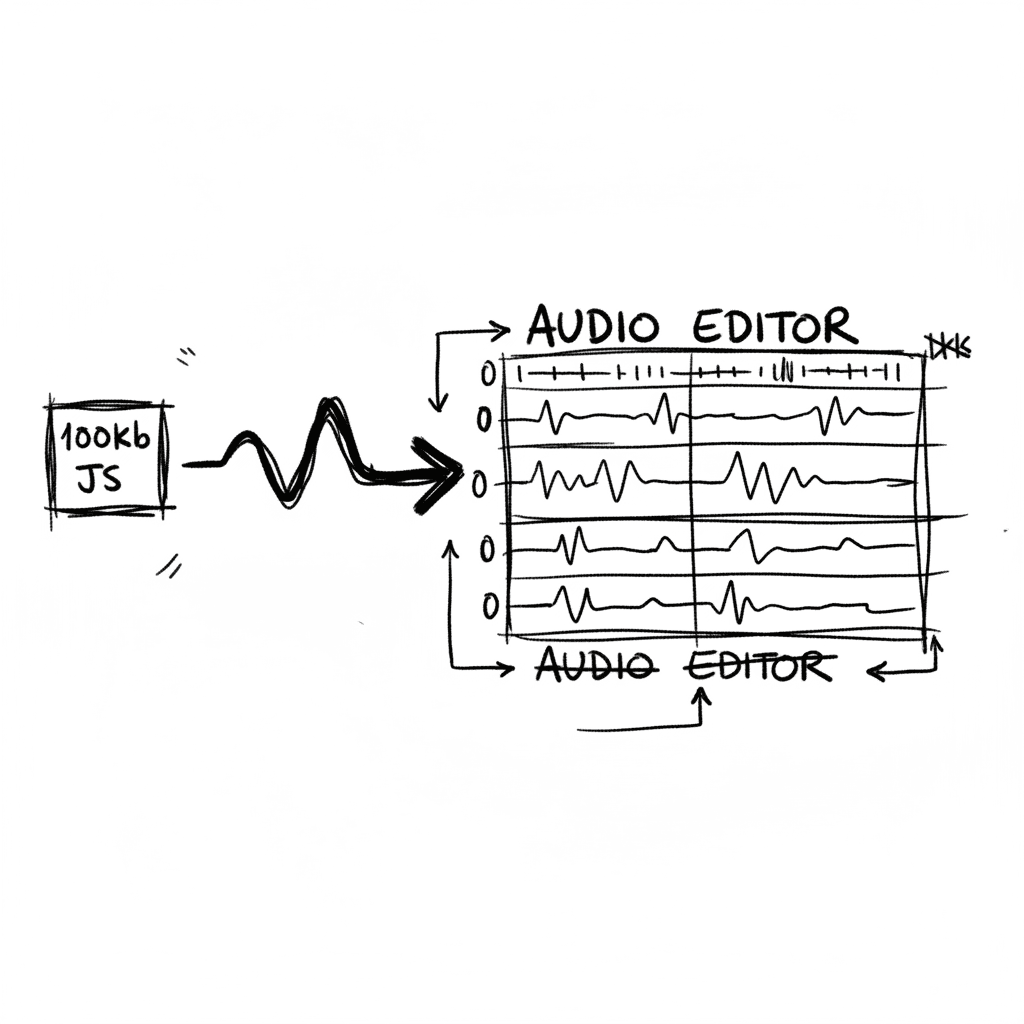
Audiomass: Multitrack Audio Editing via 100kb of Vanilla JavaScript
Audiomass is a browser-based, multitrack audio editor that operates entirely client-side with a remarkably small 100kb footprint (audiomass.co). It provides a workflow reminiscent of classic editors l
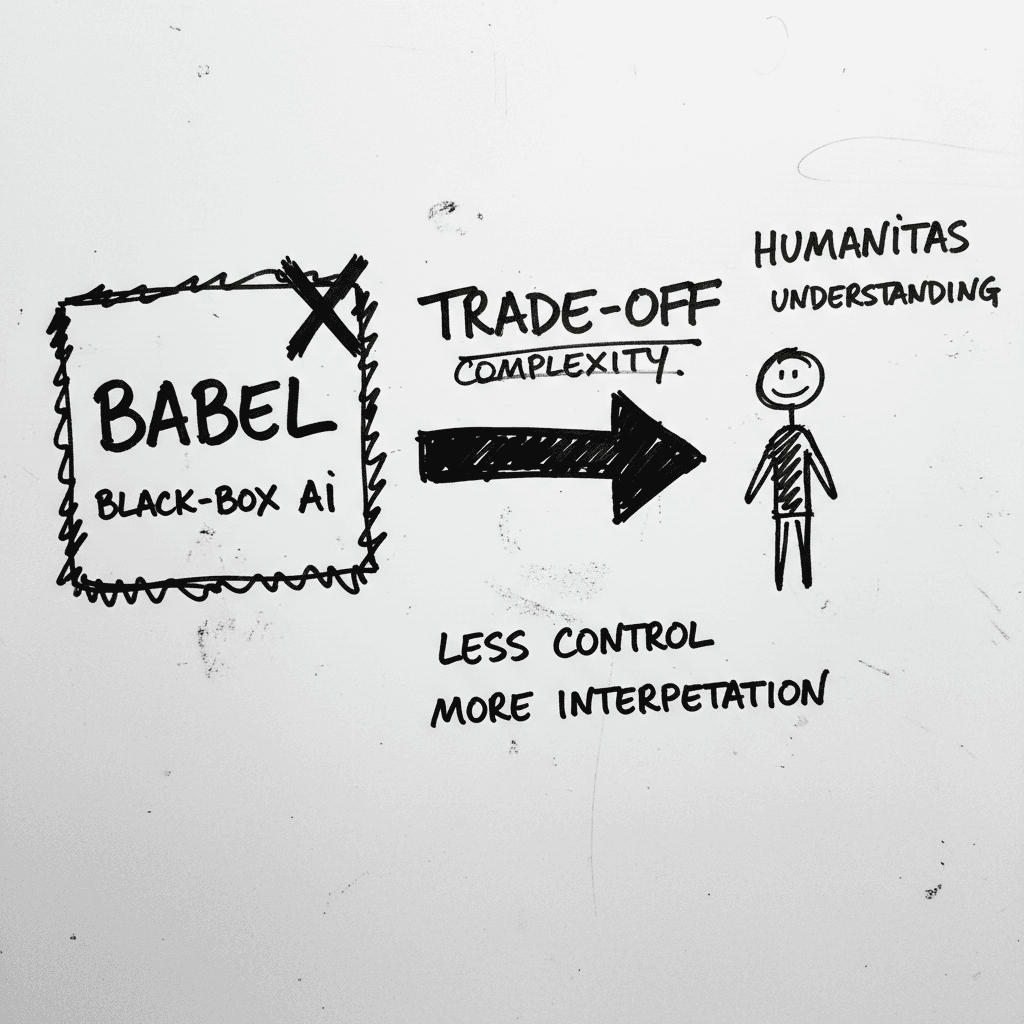
Magnifica Humanitas: The Vatican’s Framework for the GPT-5 Era
The document, signed May 15 and officially released today, was presented at the Vatican alongside Christopher Olah, co-founder of Anthropic and lead of its interpretability team (ncronline.org, Forbes
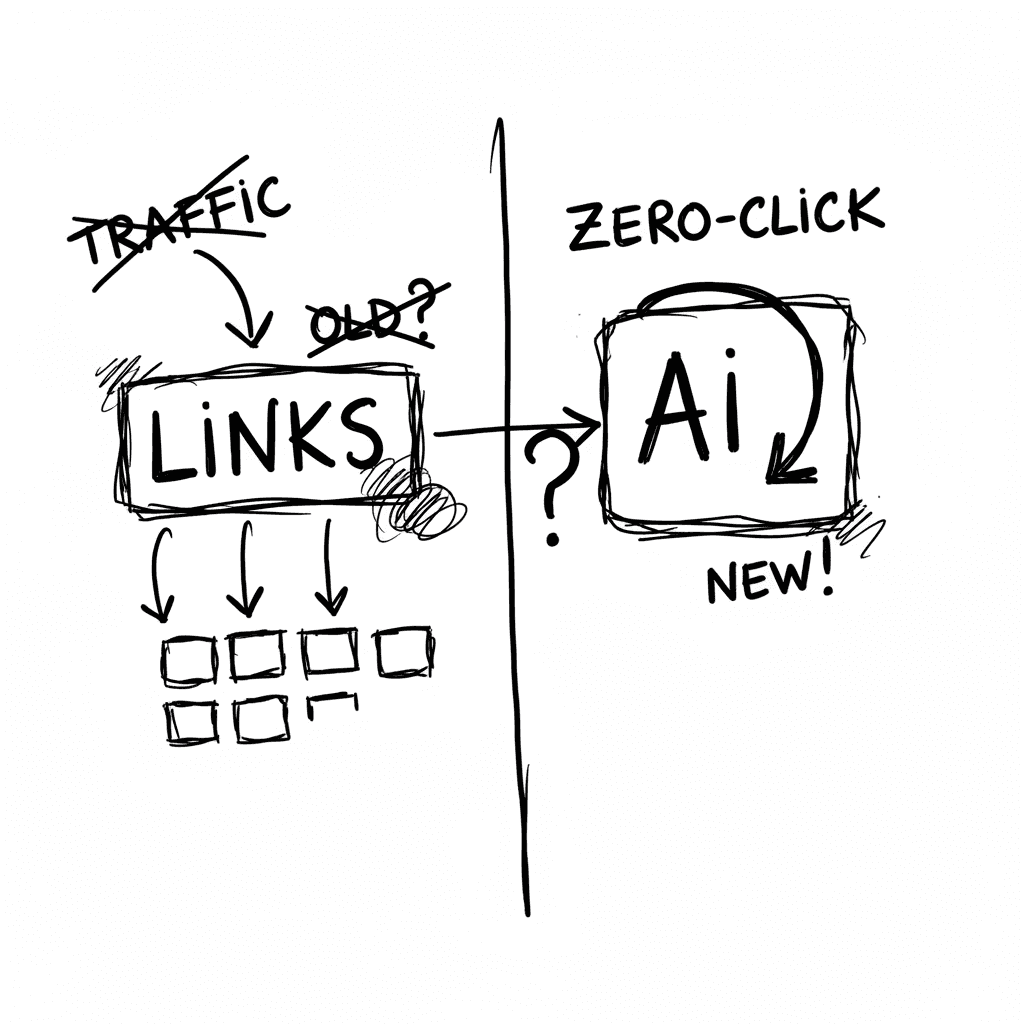
The Zero-Click Economy: Kagi Search vs. Google AI Mode
Google has effectively pivoted to an "answer engine" where Gemini 3.5 Flash provides conversational summaries, while Kagi remains the primary refuge for users seeking a human-centric, ad-free index. W
Stay Ahead of AI Adoption Trends
Get our latest reports and insights delivered to your inbox. No spam, just data.