
Learning Software Architecture: Analysis of matklad's 2026 methodology
Alex Kladov (matklad) argues that software architecture is a "strange beast" that cannot be mastered through abstract theory alone. In his latest post, he posits that architectural proficiency require

The Pitch
Alex Kladov (matklad) argues that software architecture is a "strange beast" that cannot be mastered through abstract theory alone. In his latest post, he posits that architectural proficiency requires a deliberate cultivation of judgement through practice, reflection, and the study of large, legacy systems (Source: matklad.github.io, May 2026). This approach targets senior engineers who find traditional textbooks increasingly detached from the realities of modern, agentic-heavy codebases.
Under the Hood
Alex Kladov remains a significant technical authority in 2026, leading efforts at TigerBeetle and having previously created rust-analyzer (Source: matklad.github.io). His methodology emphasizes the "ARCHITECTURE.md" documentation pattern, which is now a standard requirement for open-source projects ranging between 10k and 200k lines of code. This practice aims to bridge the "mental map" gap for new contributors and maintainers (Source: matklad.github.io).
The shift in architectural focus in 2026 has moved away from simple parameter scaling toward efficiency optimization. Current priorities include KV cache compression and hybrid attention mechanisms (Source: Sesame Disk, March 2026). Consequently, classic texts such as "Architecture of Open Source Applications" (AOSA) are increasingly viewed as dated historical artifacts rather than practical guides for the agentic era (Source: HN Thread).
Practitioners are currently demanding "clinical-style" case studies to critique modern LLM and agentic decisions. While Sebastian Raschka’s "Build a Reasoning Model from Scratch" (2026) has become the definitive resource for understanding agentic architecture, there is still no established "clinical-rotation" program for architectural critiquing (Source: Apple Podcasts/Sebastian Raschka). We don't know yet if updated 2026 editions of the AOSA series covering distributed agentic systems will ever be released.
Most existing architectural resources suffer from an "abstraction gap," providing knowledge that proves useless when confronted with the messy constraints of real-world legacy systems (Source: HN Thread). This supports Kladov’s argument that judgment is developed on the shop floor, not in the seminar room. Even with advanced language models of 2026 assisting in code generation, the underlying structural decisions still require this human-cultivated technical intuition.
Marcus's Take
Stop reading abstract architecture books that were written before the shift to agentic systems; they are about as useful as a map of London is in Manchester. If you want to understand how modern systems actually hang together in 2026, read Raschka’s latest book on reasoning models and then go read the TigerBeetle source code. Matklad is right: you don’t learn architecture by memorising patterns, you learn it by surviving legacy systems and documenting your way out of them. Skip the "classic" recommendations and focus on efficiency-first designs.
Ship clean code,
Marcus.
Marcus Webb - Senior Backend Analyst at UsedBy.ai
Related Articles
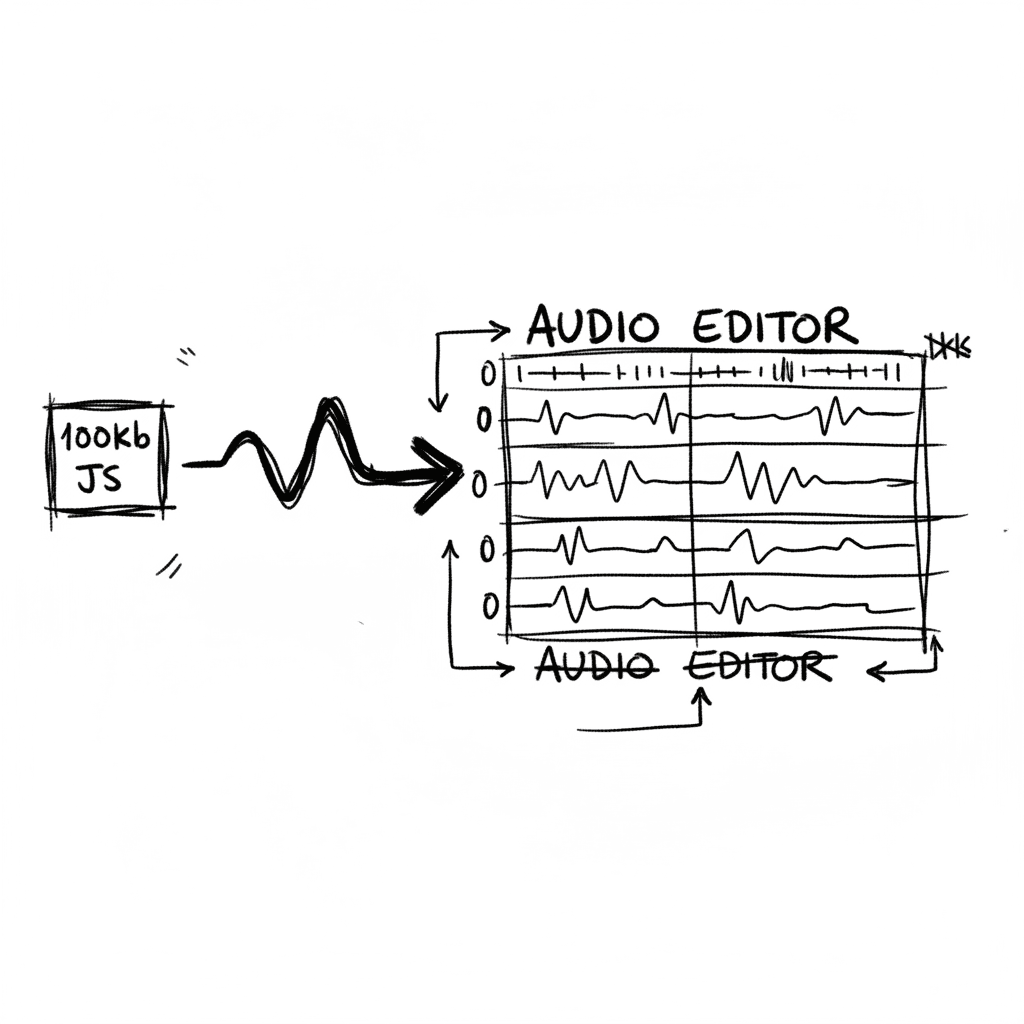
Audiomass: Multitrack Audio Editing via 100kb of Vanilla JavaScript
Audiomass is a browser-based, multitrack audio editor that operates entirely client-side with a remarkably small 100kb footprint (audiomass.co). It provides a workflow reminiscent of classic editors l
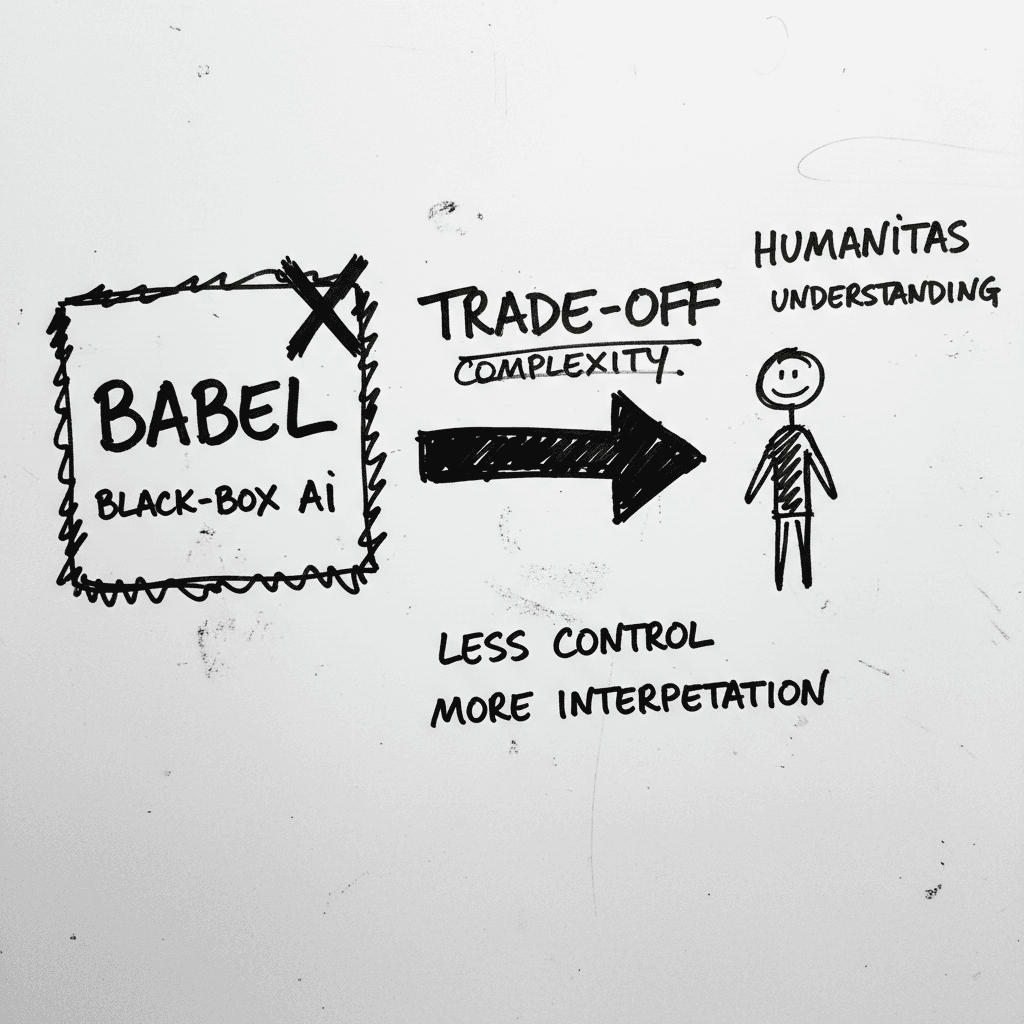
Magnifica Humanitas: The Vatican’s Framework for the GPT-5 Era
The document, signed May 15 and officially released today, was presented at the Vatican alongside Christopher Olah, co-founder of Anthropic and lead of its interpretability team (ncronline.org, Forbes
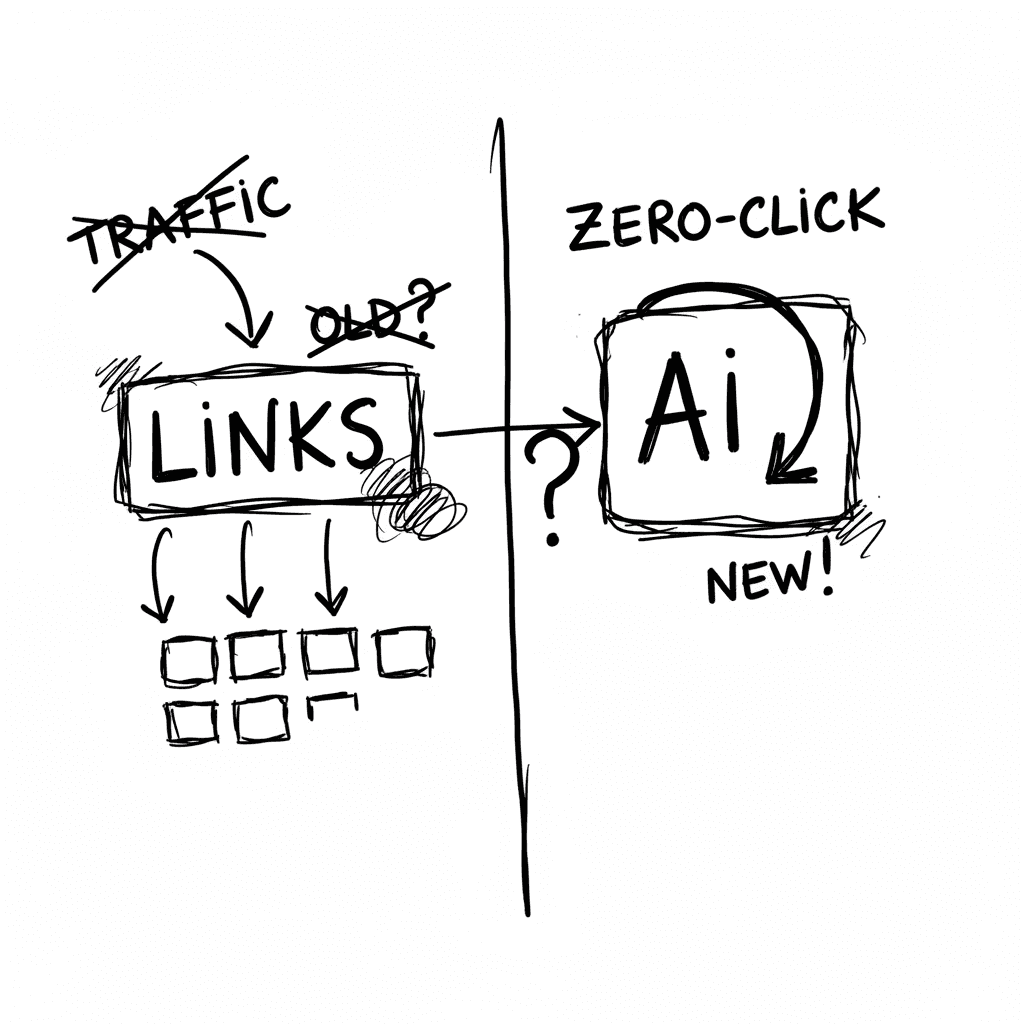
The Zero-Click Economy: Kagi Search vs. Google AI Mode
Google has effectively pivoted to an "answer engine" where Gemini 3.5 Flash provides conversational summaries, while Kagi remains the primary refuge for users seeking a human-centric, ad-free index. W
Stay Ahead of AI Adoption Trends
Get our latest reports and insights delivered to your inbox. No spam, just data.