
Numerical Regression in Apple MLX on A18 Pro Silicon
Apple’s MLX framework is designed to optimise local inference by allowing LLMs to run directly on the Neural Engine and GPU with unified memory access. Despite the iPhone 16 Pro Max being marketed as

The Pitch
Apple’s MLX framework is designed to optimise local inference by allowing LLMs to run directly on the Neural Engine and GPU with unified memory access. Despite the iPhone 16 Pro Max being marketed as the definitive hardware for Apple Intelligence, developers are currently grappling with severe output degradation on the A18 Pro chip. (Source: GitHub ml-explore)
Under the Hood
The A18 Pro chip produces "gibberish" outputs when executing local LLM workloads via MLX, a flaw not present in the older iPhone 15 Pro or the current iPhone 17. (Source: GitHub ml-explore).
Detailed debugging reveals that these numerical inconsistencies are tied to floating-point (FP16) instability within the silicon's handling of tensor operations. (Source: Aditya Karnam/GitConnected).
Quantised 4-bit (Q4_K_M) models offer slightly more determinism, but they fail to fully circumvent the underlying hardware issues. (Source: Aditya Karnam/GitConnected).
Related regressions have appeared in CoreML tensor layouts and pointer arithmetic since the iOS 26.1 Beta. (Source: Apple Developer Forums #8007).
This suggests a significant misalignment between the Metal compiler and the A18 Pro’s specific NPU/GPU architecture.
The issue is reported as persistent across various LLM architectures, including Stable Diffusion UNet layers. (Source: Rafael Costa Blog).
We do not know yet if this is a fixable kernel bug in iOS 26.x or a physical hardware defect requiring a recall.
Apple has not issued an official statement regarding the percentage of affected A18 Pro units.
While some users on Hacker News claim it affects only a minority of devices, the lack of a deterministic fix is stalling local AI deployment.
Marcus's Take
The A18 Pro is a liability for any backend engineer looking to move LLM inference to the edge. If your application handles medical or financial data where "order of magnitude" errors equate to catastrophic failure, avoid this device entirely.
The fact that the iPhone 17 and M4 Max chips remain unaffected suggests the 16 Pro Max is a silicon outlier with a broken numerical pipeline.
Move your production targets to the iPhone 17 or M-series iPads until Apple admits whether this requires a firmware throttle or a replacement programme.
Ship clean code,
Marcus.
Marcus Webb - Senior Backend Analyst at UsedBy.ai
Related Articles
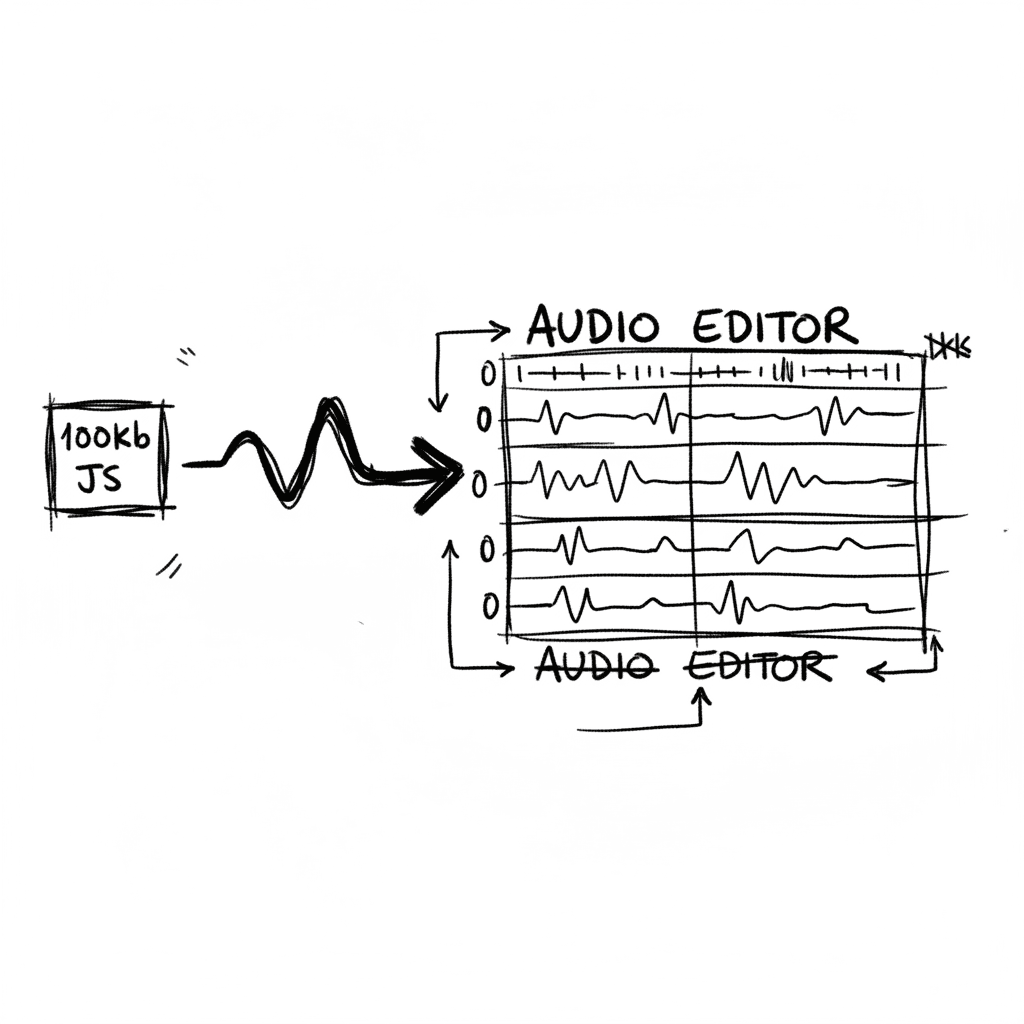
Audiomass: Multitrack Audio Editing via 100kb of Vanilla JavaScript
Audiomass is a browser-based, multitrack audio editor that operates entirely client-side with a remarkably small 100kb footprint (audiomass.co). It provides a workflow reminiscent of classic editors l
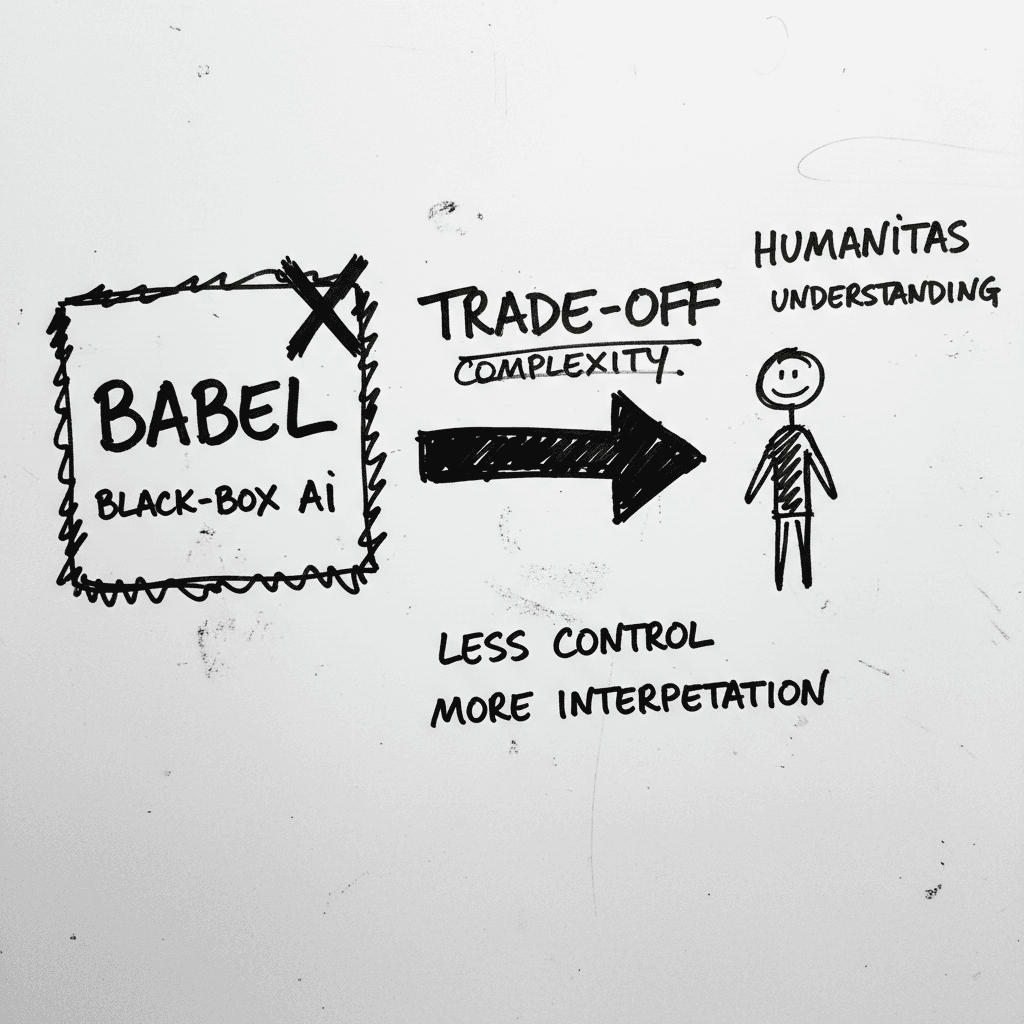
Magnifica Humanitas: The Vatican’s Framework for the GPT-5 Era
The document, signed May 15 and officially released today, was presented at the Vatican alongside Christopher Olah, co-founder of Anthropic and lead of its interpretability team (ncronline.org, Forbes
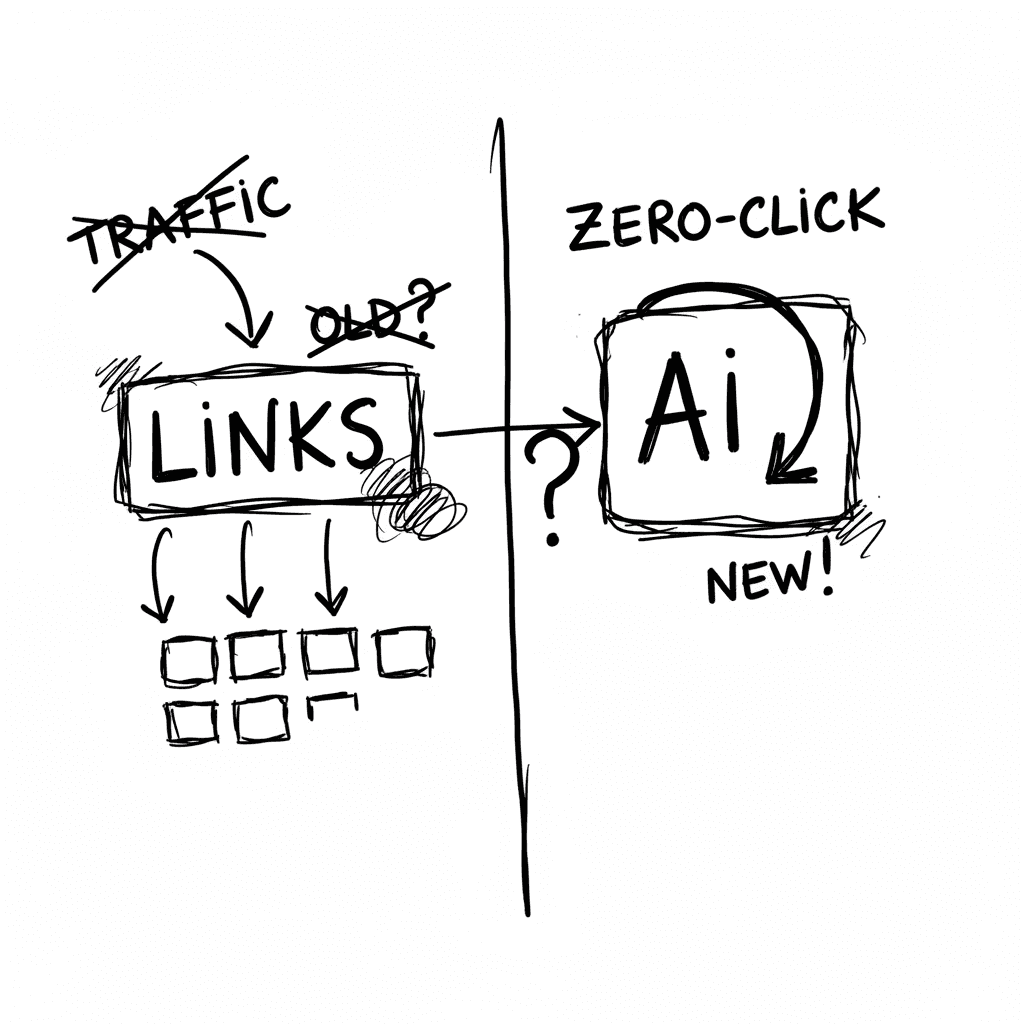
The Zero-Click Economy: Kagi Search vs. Google AI Mode
Google has effectively pivoted to an "answer engine" where Gemini 3.5 Flash provides conversational summaries, while Kagi remains the primary refuge for users seeking a human-centric, ad-free index. W
Stay Ahead of AI Adoption Trends
Get our latest reports and insights delivered to your inbox. No spam, just data.