
NVIDIA B300 Blackwell Ultra: High-Density Inference at the Expense of HPC
The NVIDIA B300 Blackwell Ultra is a specialised inference engine designed for the "Age of Reasoning" and agentic models like DeepSeek-R1. It prioritises FP4 compute and massive memory bandwidth over

The Pitch
The NVIDIA B300 Blackwell Ultra is a specialised inference engine designed for the "Age of Reasoning" and agentic models like DeepSeek-R1. It prioritises FP4 compute and massive memory bandwidth over the general-purpose flexibility that defined previous enterprise generations.
Under the Hood
The B300 Blackwell Ultra delivers 15 PFLOPS of FP4 compute, a throughput designed to handle the massive token-generation demands of agentic AI models like DeepSeek-R1 (source: Slyd/NVIDIA). This is supported by 288GB of HBM3e memory providing 8TB/s of bandwidth, representing a 50% capacity increase over the base B200 (source: NVIDIA Datasheet).
NVIDIA has intentionally nuked double-precision performance to achieve these inference gains. The FP64 throughput has cratered from 37 TFLOPS on the B200 to just 1.2 TFLOPS on the B300 (source: TechPowerUp). The FP64:FP32 ratio now matches the consumer RTX 5090, ending a structural divide that existed since the 2010 Fermi architecture (source: nicolasdickenmann.com).
This architectural shift renders the B300 unsuitable for traditional scientific computing. Attempting to emulate higher precision using lower-precision tensor cores via "double-single" methods leads to frequent overflows and underflows in HPC workloads (source: TACC Report). It appears NVIDIA is forcing scientific users toward legacy Hopper silicon or specialised "Vera" units.
We don't know yet what the official list price is, though market estimates sit between $40,000 and $50,000 per unit. Internal thermal data for 1,400W peak TDP operations in air-cooled environments remains missing. It seems NVIDIA expects you to have liquid cooling or a very high tolerance for hardware failure.
Marcus's Take
The B300 is a calculated betrayal of the scientific community in favour of the LLM gold rush. It is a brilliant piece of engineering for running agentic inference clusters at scale, but it is effectively useless for physics or climate simulations. If you are building the backend for the next generation of reasoning agents, pull the trigger; if you are doing actual math, stick to the H100 or find a vendor that hasn't forgotten what a decimal point is for.
Ship clean code,
Marcus.
Marcus Webb - Senior Backend Analyst at UsedBy.ai
Related Articles
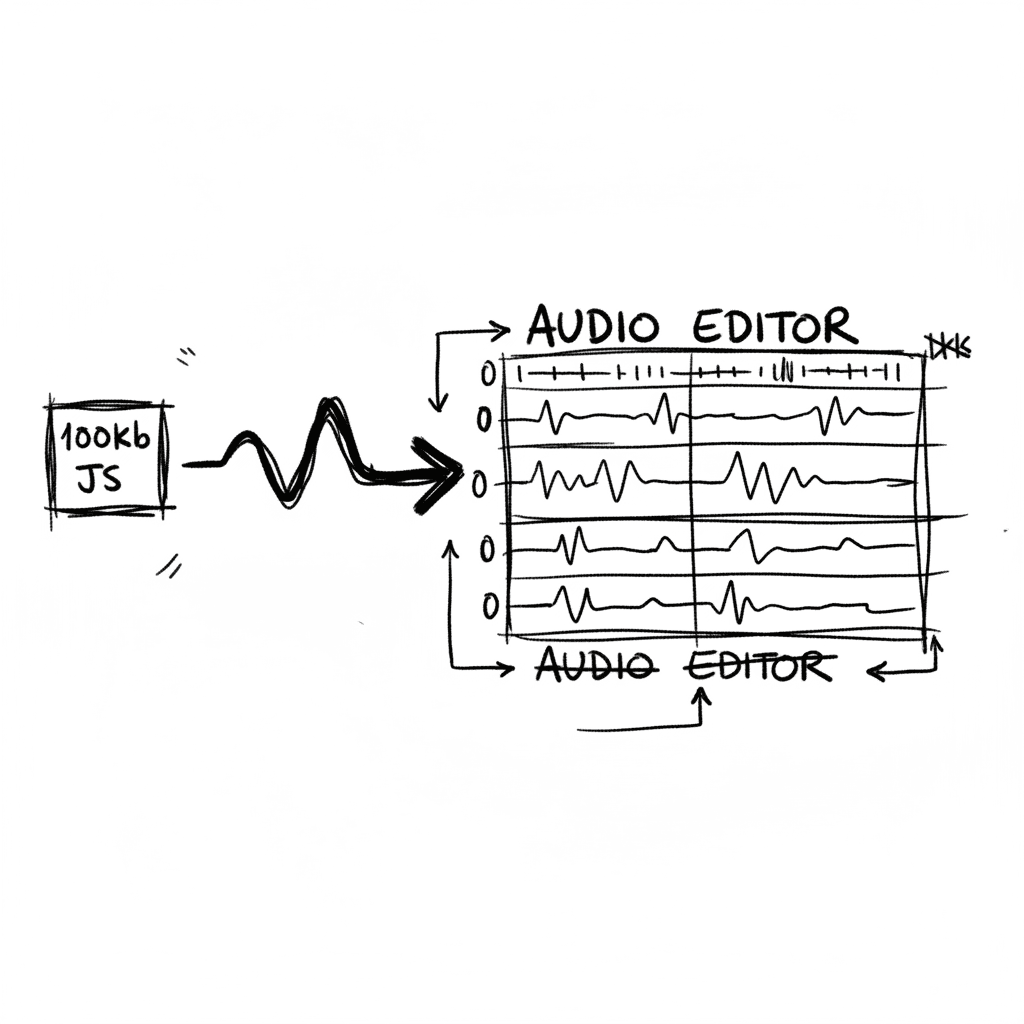
Audiomass: Multitrack Audio Editing via 100kb of Vanilla JavaScript
Audiomass is a browser-based, multitrack audio editor that operates entirely client-side with a remarkably small 100kb footprint (audiomass.co). It provides a workflow reminiscent of classic editors l
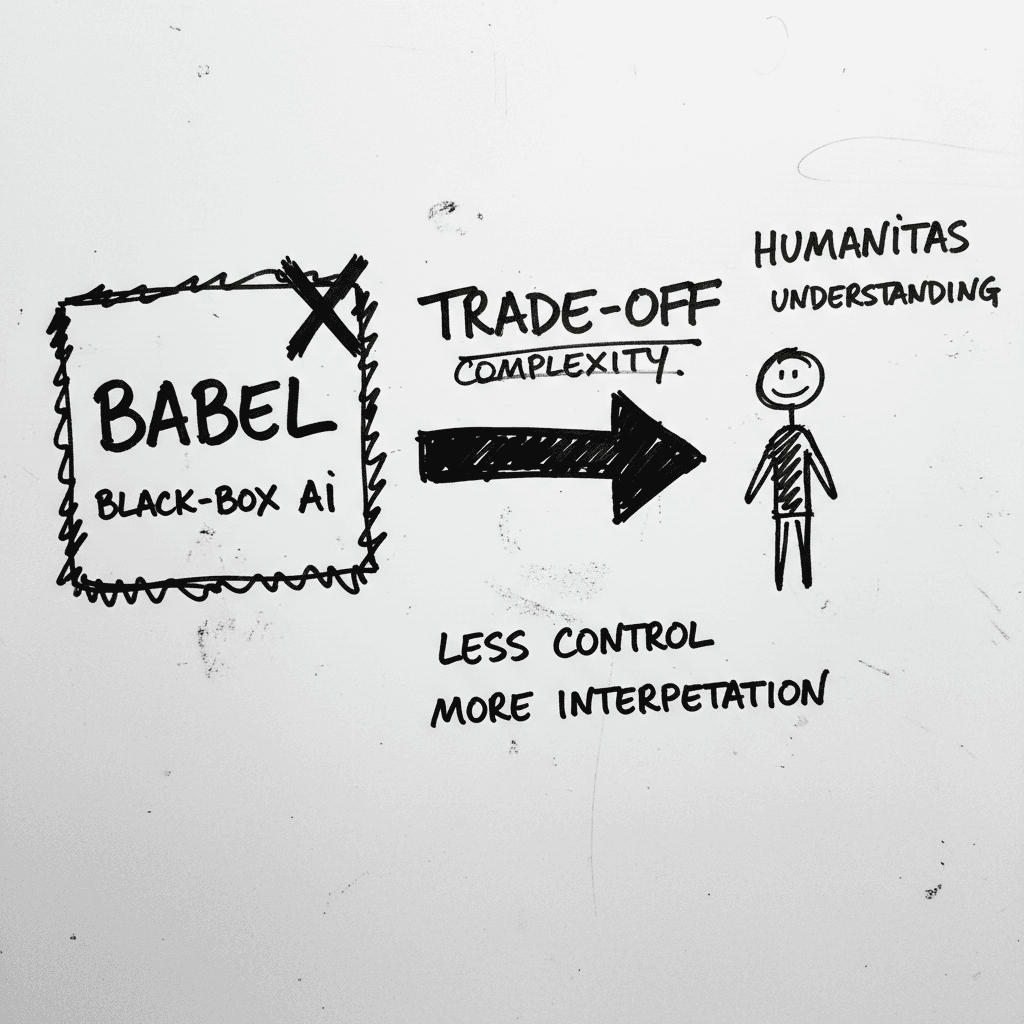
Magnifica Humanitas: The Vatican’s Framework for the GPT-5 Era
The document, signed May 15 and officially released today, was presented at the Vatican alongside Christopher Olah, co-founder of Anthropic and lead of its interpretability team (ncronline.org, Forbes
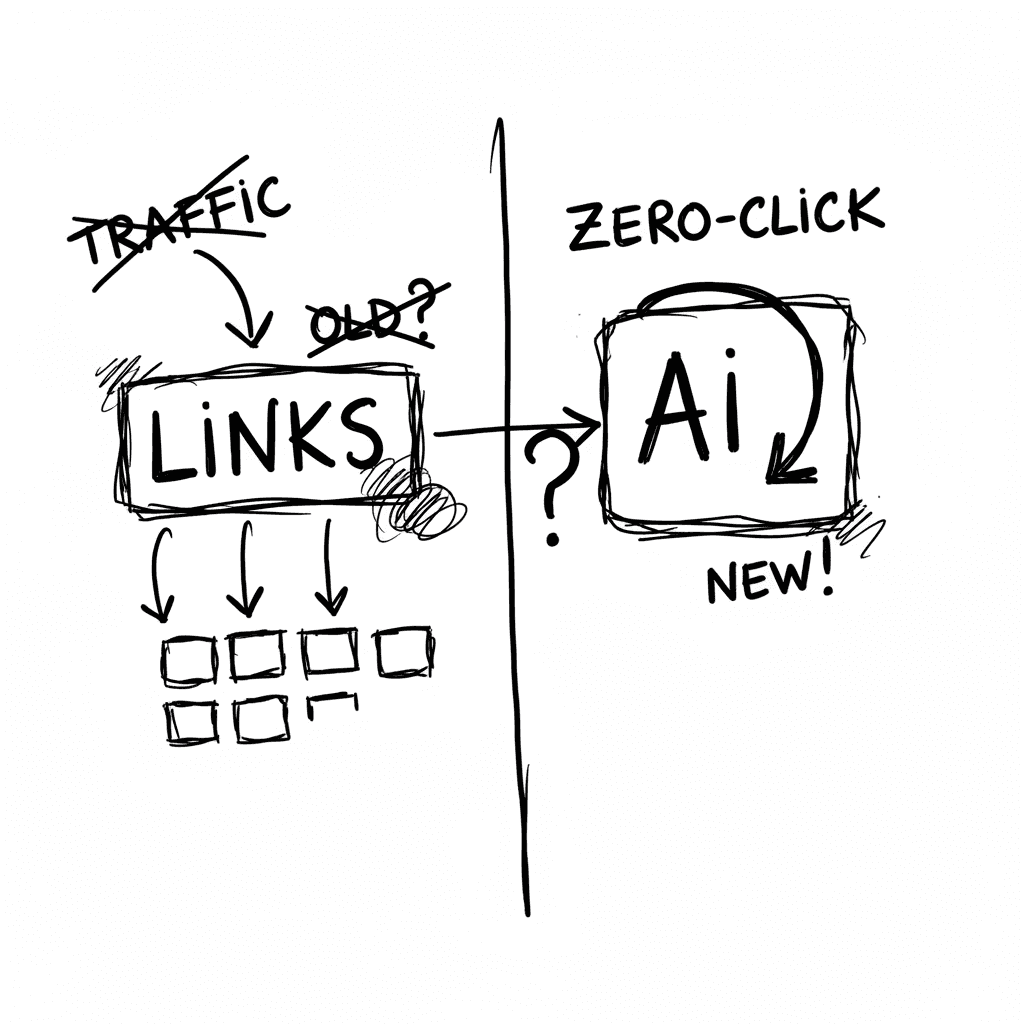
The Zero-Click Economy: Kagi Search vs. Google AI Mode
Google has effectively pivoted to an "answer engine" where Gemini 3.5 Flash provides conversational summaries, while Kagi remains the primary refuge for users seeking a human-centric, ad-free index. W
Stay Ahead of AI Adoption Trends
Get our latest reports and insights delivered to your inbox. No spam, just data.