
POSSE and the Industrialisation of Personal Domains
POSSE (Publish on your Own Site, Syndicate Elsewhere) is a decentralised publishing architecture that mandates the personal domain as the primary source for all content. By treating social media silos

The Pitch
POSSE (Publish on your Own Site, Syndicate Elsewhere) is a decentralised publishing architecture that mandates the personal domain as the primary source for all content. By treating social media silos as mere distribution nodes rather than repositories, developers can maintain data sovereignty without sacrificing the reach of the larger networks.
Under the Hood
The release of WordPress 7.0 in early 2026 has fundamentally altered the feasibility of this strategy by integrating Webmention and Microformats directly into the core (Source: Dasroot 2026 Analysis). This native support eliminates much of the custom middleware previously required to turn a standard CMS into an IndieWeb-compliant hub.
On the infrastructure side, Bridgy Fed has demonstrated significant backend scalability to accommodate the current exodus from Bluesky to the Fediverse. In March 2026, the service successfully optimised its firehose processing from 200 to 4,000 events per second (Source: @ap.brid.gy Bluesky Status). This allows for near-instantaneous bidirectional bridging between ActivityPub, AT Protocol, and the IndieWeb (Source: GitHub - snarfed/bridgy-fed).
The business case for this technical overhead is quantifiable. Websites adopting the POSSE framework this year have reported up to a 30% increase in organic traffic, largely attributed to consolidated SEO authority on the canonical domain (Source: Worldwide Business Research 2026).
However, significant technical friction remains:
- Discussion fragmentation persists, where engagement metrics like likes and replies remain trapped in the silo rather than backfeeding to the origin (Source: HN/Micro.blog).
- Scaling comment sections on static sites (Hugo, Jekyll) remains a maintenance burden, often forcing developers to disable interactions entirely (Source: Hacker News, Jan 2026).
- There is a persistent risk of "shadowbanning" or algorithmic deprioritisation by platforms like LinkedIn and Threads when they detect automated external links (Source: Sep 2025).
We do not know yet how the current generation of LLMs, such as GPT-5 and Claude 4.5 Opus, will impact click-through rates for these syndicated links. There is no public data on whether these models prefer scraping the canonical source or the syndicated silo when generating summaries for users. Furthermore, specific 2026 pricing tiers for managed "Bridgy-as-a-service" automation are not yet public.
Marcus's Take
If you are still letting a third-party database be the only home for your technical writing, you are essentially a digital sharecropper. With WordPress 7.0 making Webmentions a standard feature, the "it's too hard to set up" excuse has expired. Implement POSSE for your technical blog immediately, but stay realistic: you will still spend twenty minutes a week manually chasing down comments that failed to federate back to your server.
Ship clean code,
Marcus.
Marcus Webb - Senior Backend Analyst at UsedBy.ai
Related Articles

Audiomass: Multitrack Audio Editing via 100kb of Vanilla JavaScript
Audiomass is a browser-based, multitrack audio editor that operates entirely client-side with a remarkably small 100kb footprint (audiomass.co). It provides a workflow reminiscent of classic editors l
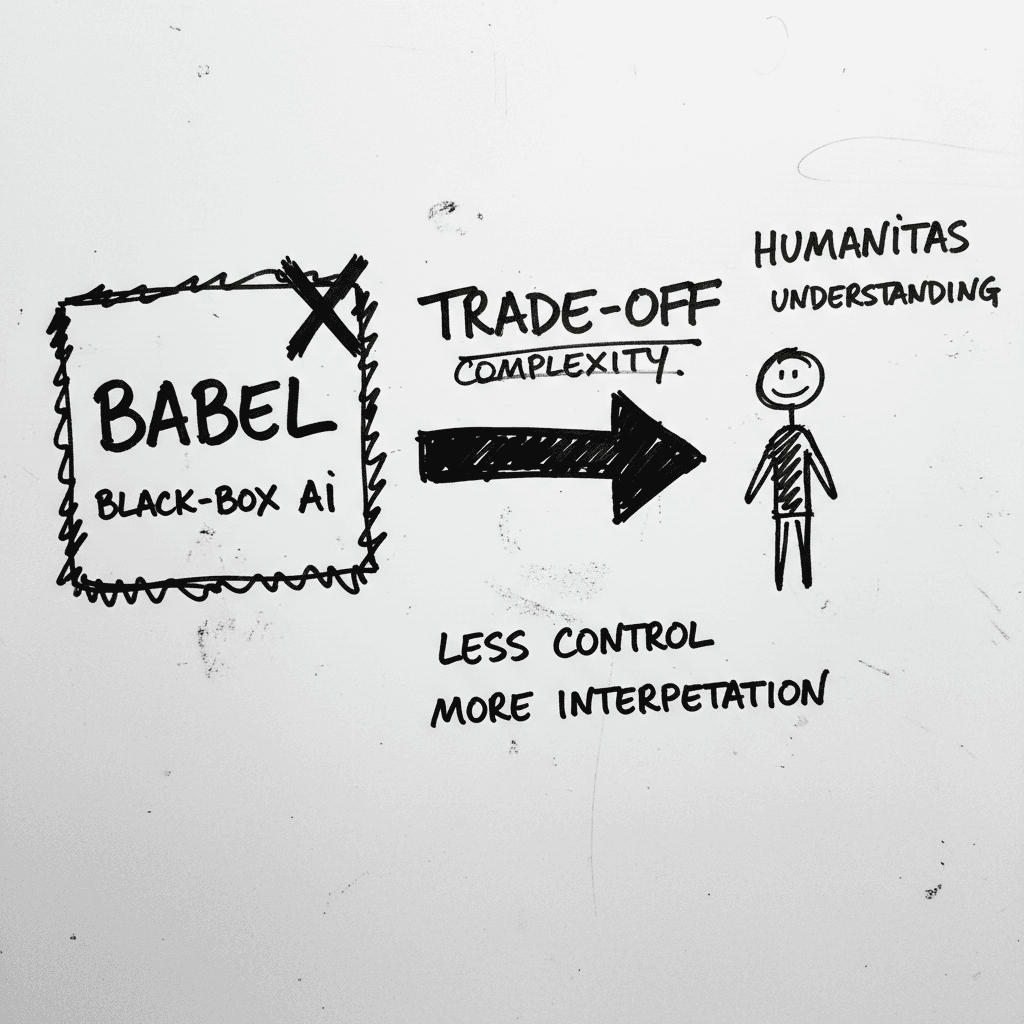
Magnifica Humanitas: The Vatican’s Framework for the GPT-5 Era
The document, signed May 15 and officially released today, was presented at the Vatican alongside Christopher Olah, co-founder of Anthropic and lead of its interpretability team (ncronline.org, Forbes
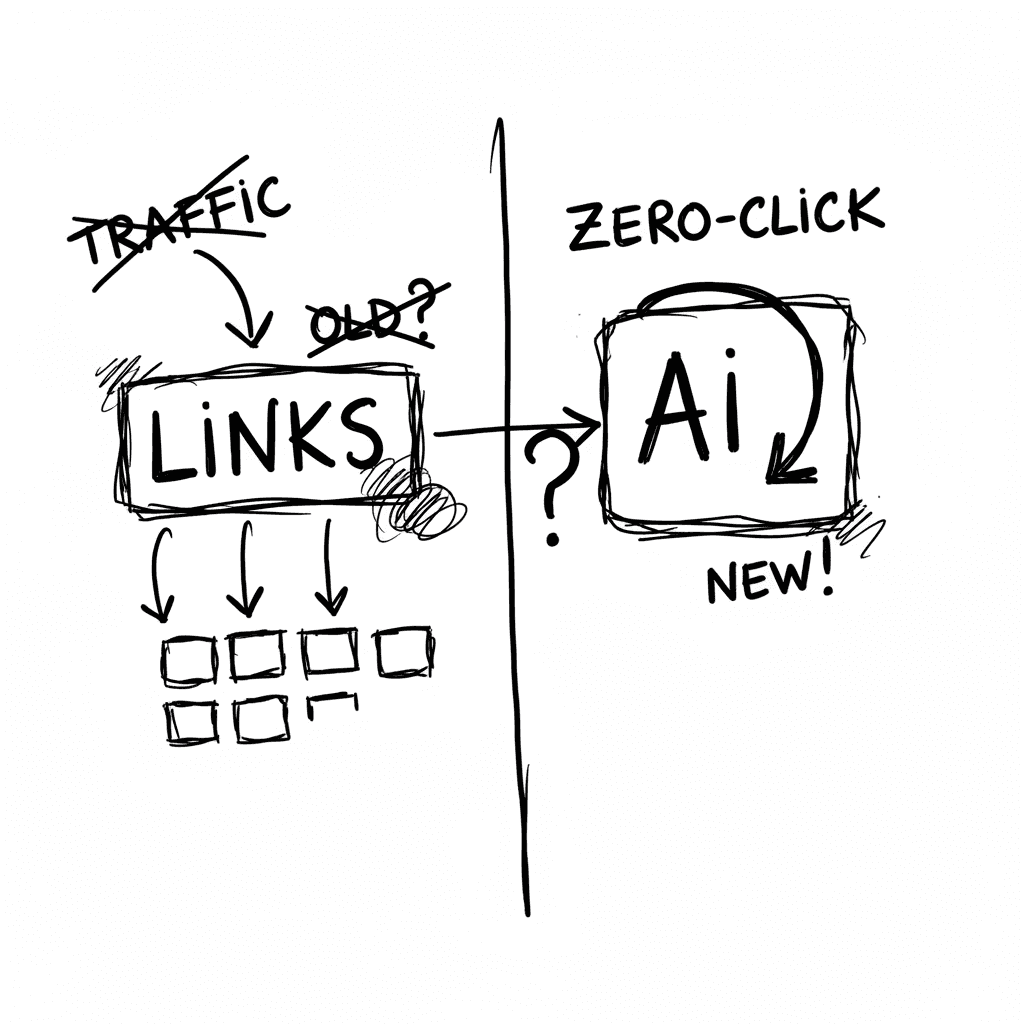
The Zero-Click Economy: Kagi Search vs. Google AI Mode
Google has effectively pivoted to an "answer engine" where Gemini 3.5 Flash provides conversational summaries, while Kagi remains the primary refuge for users seeking a human-centric, ad-free index. W
Stay Ahead of AI Adoption Trends
Get our latest reports and insights delivered to your inbox. No spam, just data.