
Slumber: A Rust-Based Terminal Alternative to Postman
Slumber utilizes the Ratatui framework and a local SQLite backend to provide a configuration-first HTTP client that resides entirely in the terminal (GitHub: LucasPickering/slumber). It targets senior

The Pitch
Slumber utilizes the Ratatui framework and a local SQLite backend to provide a configuration-first HTTP client that resides entirely in the terminal (GitHub: LucasPickering/slumber). It targets senior engineers who require a local-first, "un-enshittified" alternative to account-locked, Electron-heavy GUI clients (marketing_claim).
Under the Hood
Slumber persists request history via a local SQLite database, while request definitions are stored in YAML, making them compatible with version control (GitHub README). The v3.0 update, released between late 2024 and 2025, introduced a "More With Less" architecture that offloads complex data processing to external binaries (Blog).
The tool successfully handles imports from OpenAPI, Insomnia, and VS Code .rest files (Official Docs). However, as of May 2026, native Postman collection imports are still missing and marked as "help wanted" (GitHub Issue #112). This presents a significant hurdle for teams looking to migrate legacy workspaces without manual reconfiguration.
Advanced response filtering now relies on a "pipe to shell" philosophy, requiring users to maintain their own local dependencies like jq or fzf (UsedBy Dossier). While this adheres to the Unix philosophy, it adds a layer of environment management that may frustrate junior developers accustomed to integrated GUI tooling.
The TUI environment still struggles with large JSON payloads. Although external pager integration has improved the experience since the early days of 20-line display limits, it cannot compete with the deep-link inspection found in modern GPT-5 assisted interfaces (Reality Check). Furthermore, support for Mutual TLS (mTLS) remains a requested but unfulfilled feature, and we don't know yet what the long-term sustainability plan is for the project (missing_info).
Marcus's Take
Slumber is a disciplined tool for developers who find the current trend of AI-bloated GUIs offensive. The v3.0 architecture is fast, but it effectively shifts the burden of feature completeness onto the user's shell environment. If your workflow is terminal-centric and you don't require mTLS or complex Postman migrations, it is a superior alternative to the current crop of "AI-first" clients. For everyone else, it is a high-friction side project that will likely remain a niche preference for the "curl-and-jq" crowd.
Ship clean code,
Marcus.
Marcus Webb - Senior Backend Analyst at UsedBy.ai
Related Articles
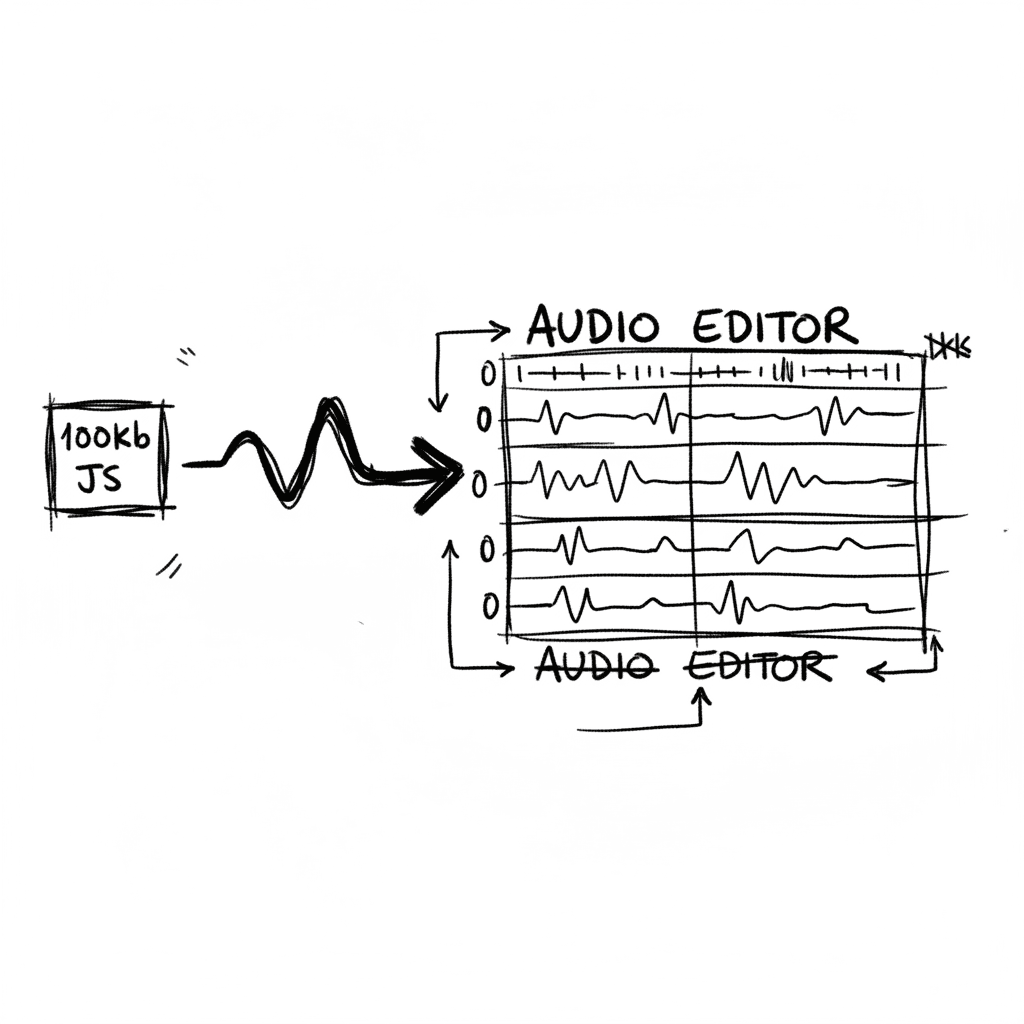
Audiomass: Multitrack Audio Editing via 100kb of Vanilla JavaScript
Audiomass is a browser-based, multitrack audio editor that operates entirely client-side with a remarkably small 100kb footprint (audiomass.co). It provides a workflow reminiscent of classic editors l
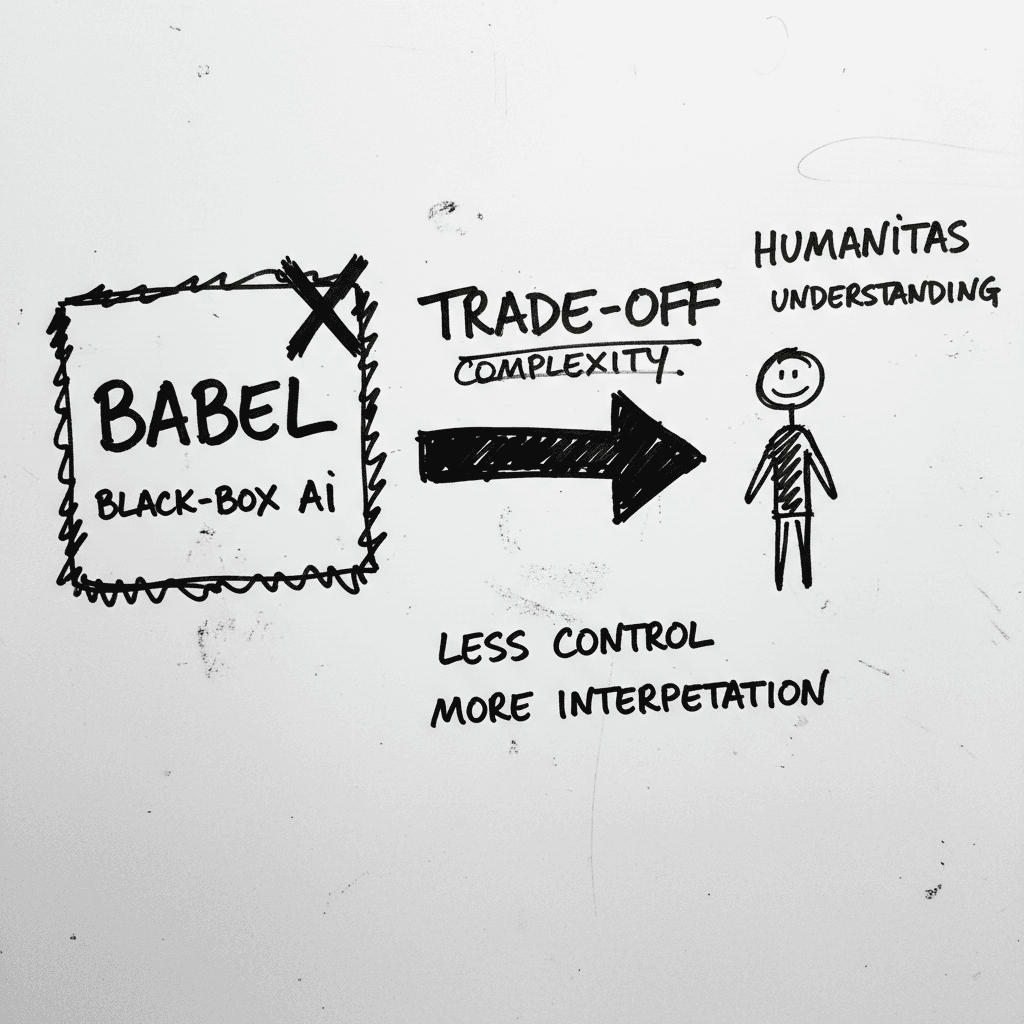
Magnifica Humanitas: The Vatican’s Framework for the GPT-5 Era
The document, signed May 15 and officially released today, was presented at the Vatican alongside Christopher Olah, co-founder of Anthropic and lead of its interpretability team (ncronline.org, Forbes
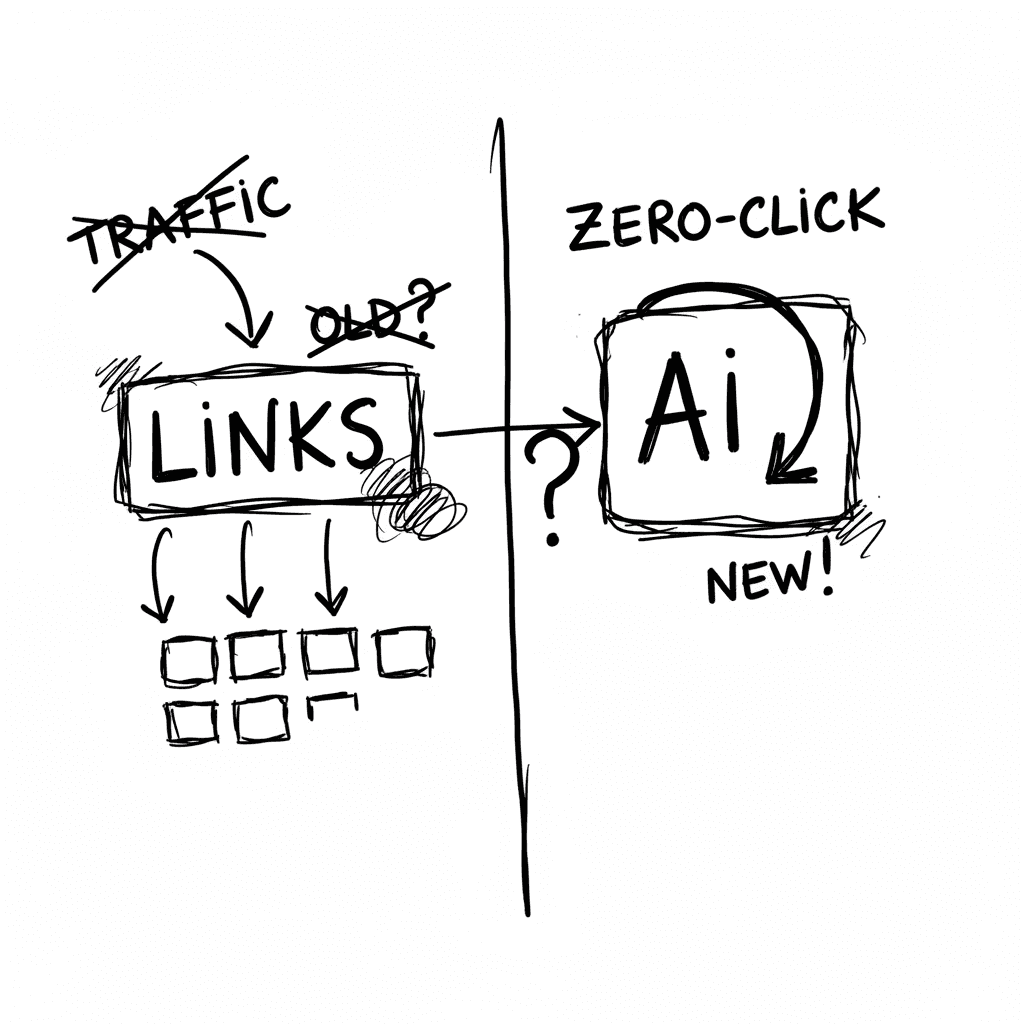
The Zero-Click Economy: Kagi Search vs. Google AI Mode
Google has effectively pivoted to an "answer engine" where Gemini 3.5 Flash provides conversational summaries, while Kagi remains the primary refuge for users seeking a human-centric, ad-free index. W
Stay Ahead of AI Adoption Trends
Get our latest reports and insights delivered to your inbox. No spam, just data.