
Star Labs StarFighter Mark II: Coreboot, Soldered RAM, and the Four-Year Wait 🟡
The Star Labs StarFighter 16-inch (Mark II) is a Linux-exclusive workstation that finally began shipping in early 2026 after a 3.5-year delay. It targets the "open-source purist" demographic by shippi

The Pitch
The Star Labs StarFighter 16-inch (Mark II) is a Linux-exclusive workstation that finally began shipping in early 2026 after a 3.5-year delay. It targets the "open-source purist" demographic by shipping with coreboot firmware and a hardware-removable webcam. Hacker News is currently divided between those praising the firmware transparency and those wary of the manufacturer's erratic delivery history.
Under the Hood
The hardware runs on Coreboot 26.04, which is the current stable firmware branch (GitHub - StarLabsLtd/firmware, April 2026). This implementation supports Measured Boot and allows for granular haptic intensity adjustment of the trackpad. The 3840x2400 IPS panel is a standout, delivering 625 nits at 120Hz (Official Specs, 2026).
Internal expansion is a mixed bag. While it includes dual M.2 2280 PCIe Gen 4x4 slots, the LPDDR5X-7500 memory is BGA-soldered to the motherboard (Notebookcheck). This move contradicts the "repairable" ethos usually associated with boutique Linux vendors and limits the machine's lifespan for memory-intensive backend workloads.
Real-world testing on Fedora Kinoite shows approximately 10 hours of battery life for standard productivity (FedoraProject Review, Feb 2026). However, early adopters report physical build issues, specifically "creaking" haptic trackpads and electrical interference affecting the microphone (Reddit r/starlabs_computers, April 2026).
We don't know yet if the haptic trackpad—a new component for this revision—will survive a year of heavy use. There is also a lack of clarity regarding the EU "charger-less" sales mandate, as users report an inability to opt-out of the power brick during checkout.
Technical concerns include:
- 1-year warranty potentially violates EU Regulation 2019/771 (HN Comment).
- Significant price premium for the Intel Core Ultra 9 285H over AMD variants.
- Soldered RAM prevents any post-purchase upgrades.
- History of multi-year delays makes future hardware refreshes unpredictable.
- Conflicting documentation between Mark I and Mark II specifications.
Marcus's Take
The StarFighter is a niche machine for coreboot enthusiasts who have more patience than sense. While the firmware integration is technically sound, the 42-month wait from announcement to delivery is a massive red flag for any professional procurement. A workstation with soldered RAM in 2026 is a hard sell, especially when you factor in the reported quality control issues with the trackpad. If you need a stable Linux machine for production, stick with a vendor that doesn't treat its release cycle like a suspense thriller. Skip it.
Ship clean code,
Marcus.
Marcus Webb - Senior Backend Analyst at UsedBy.ai
Related Articles
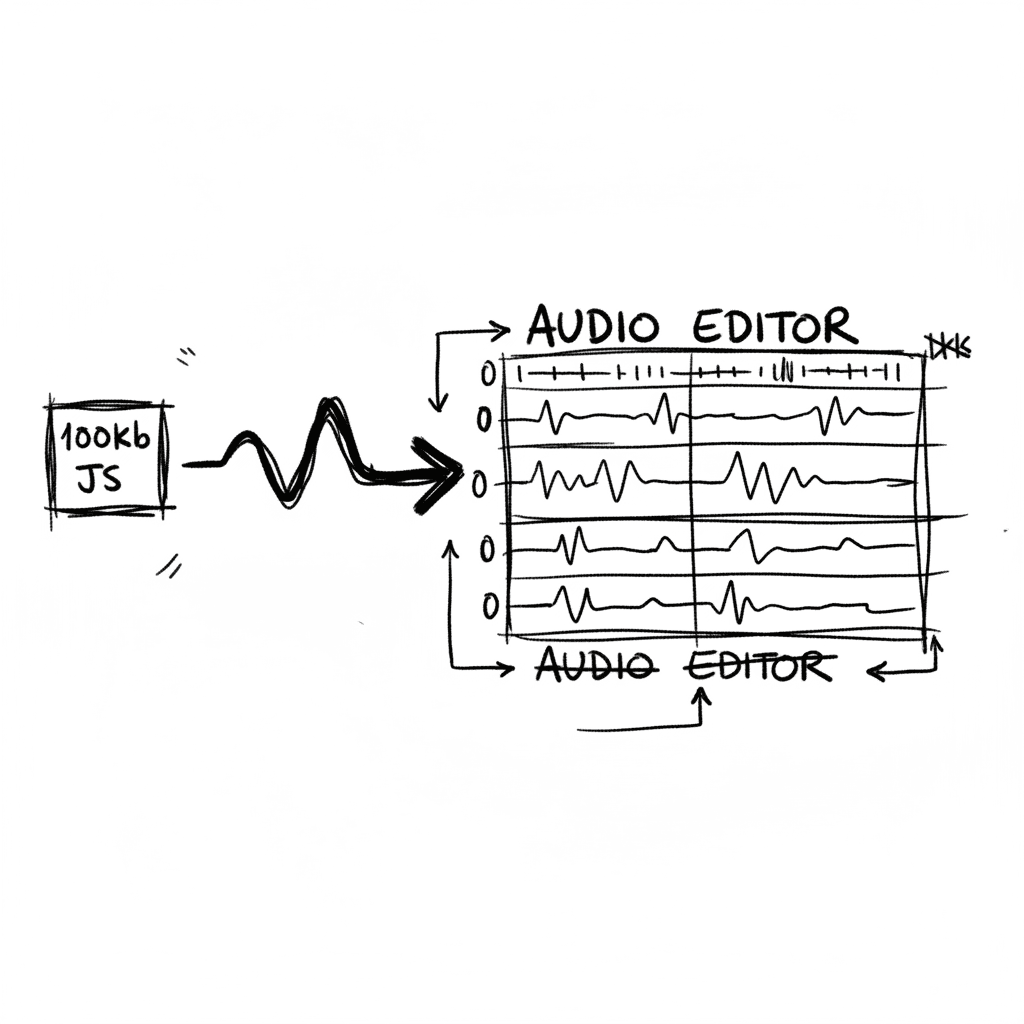
Audiomass: Multitrack Audio Editing via 100kb of Vanilla JavaScript
Audiomass is a browser-based, multitrack audio editor that operates entirely client-side with a remarkably small 100kb footprint (audiomass.co). It provides a workflow reminiscent of classic editors l
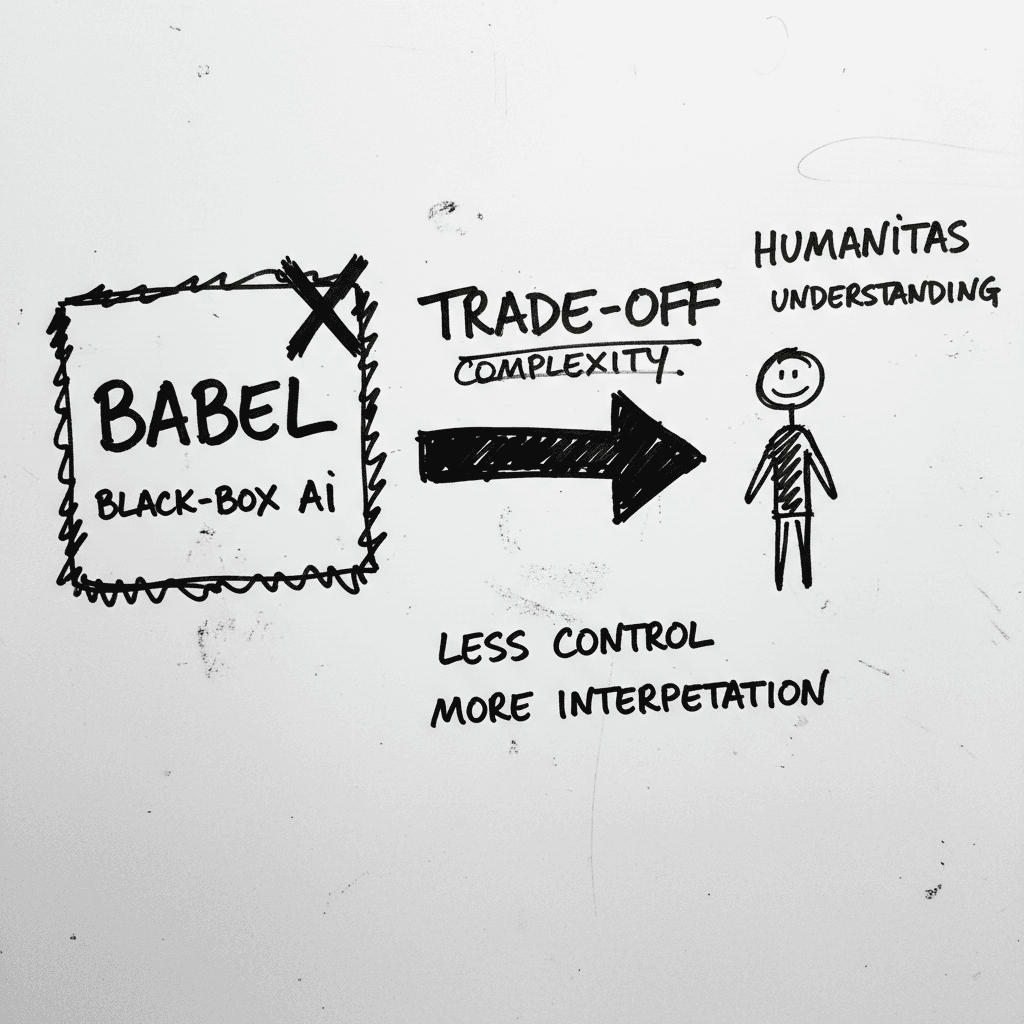
Magnifica Humanitas: The Vatican’s Framework for the GPT-5 Era
The document, signed May 15 and officially released today, was presented at the Vatican alongside Christopher Olah, co-founder of Anthropic and lead of its interpretability team (ncronline.org, Forbes

The Zero-Click Economy: Kagi Search vs. Google AI Mode
Google has effectively pivoted to an "answer engine" where Gemini 3.5 Flash provides conversational summaries, while Kagi remains the primary refuge for users seeking a human-centric, ad-free index. W
Stay Ahead of AI Adoption Trends
Get our latest reports and insights delivered to your inbox. No spam, just data.