
SuperSplat: Browser-Based 3DGS Editing and OpenUSD Integration
SuperSplat is an MIT-licensed, browser-based editor for 3D Gaussian Splatting (3DGS) that recently achieved integration into OpenUSD and Khronos glTF standards (The Future 3D). Developed by the PlayCa

The Pitch
SuperSplat is an MIT-licensed, browser-based editor for 3D Gaussian Splatting (3DGS) that recently achieved integration into OpenUSD and Khronos glTF standards (The Future 3D). Developed by the PlayCanvas team, it enables the editing and publishing of neural captures directly in the web runtime without requiring local desktop software (GitHub). It is currently gaining traction on Hacker News due to its ability to maintain 100+ FPS on consumer-grade hardware while handling multi-million point datasets (PlayCanvas News).
Under the Hood
The February 2026 launch of "SuperSplat Studio" shifted the tool from a simple editor to a suite for building guided narratives and hotspots (RadianceFields.com). A critical technical milestone is the "SOG" (Splat Optimized Graphics) format, which uses WebP-style compression to achieve file sizes 20x smaller than raw splat data (PlayCanvas Blog). This compression is vital for web delivery, as standard 3DGS files frequently exceed 1.5GB, posing significant storage and bandwidth overhead (Medium).
Navigation within the browser is managed through "Walk Mode" and "Streamed LOD," which prevent memory heap overflows during the visualization of large scenes (PlayCanvas News). However, hardware limitations remain a bottleneck; performance degrades significantly on devices lacking modern WebGPU or WebGL2 support (GitHub Issue #132). It is also worth noting that SuperSplat is not a tool for precision engineering, as it lacks the sub-centimeter accuracy found in traditional SfM-MVS workflows (Copernicus.org).
We don't know yet whether an enterprise pricing model exists for the Studio features, as the repository remains listed as free and open-source (GitHub). Furthermore, the specific hardware used to achieve the fidelity seen in the recent "Strawberry" macro demo has not been made public (HN). Most developers will find the current feature set sufficient for high-fidelity web visualization, provided they account for the initial 500MB+ download sizes.
Marcus's Take
SuperSplat is the only viable choice for teams needing to deploy high-fidelity neural captures to the web without locking users into proprietary viewers. The adoption of OpenUSD and glTF as of April 2026 suggests the industry is finally moving past experimental silos and into standardized production pipelines. Use it for marketing, real estate tours, or digital twins where visual "feel" matters more than millimetric surveying. It is a solid piece of kit that won't bloat your tech stack with unnecessary desktop dependencies.
Ship clean code,
Marcus.
Marcus Webb - Senior Backend Analyst at UsedBy.ai
Related Articles
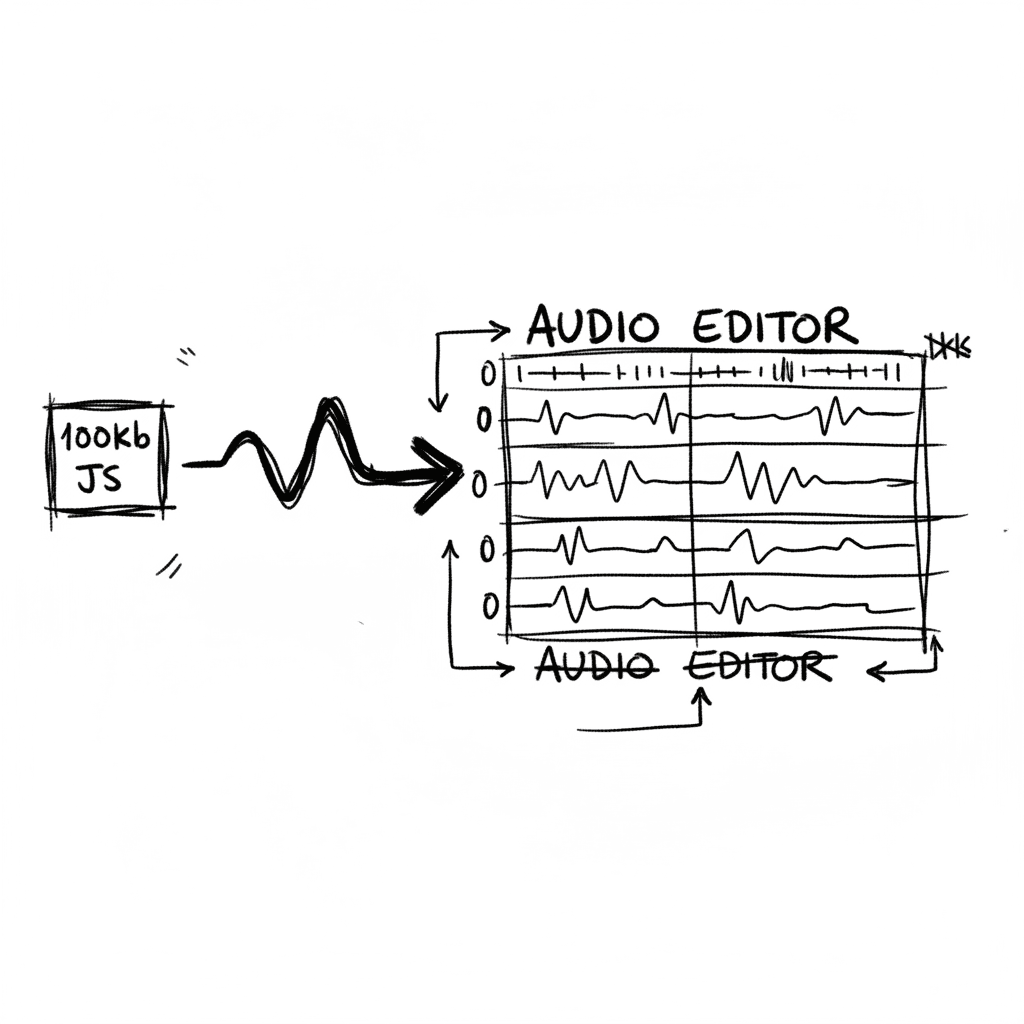
Audiomass: Multitrack Audio Editing via 100kb of Vanilla JavaScript
Audiomass is a browser-based, multitrack audio editor that operates entirely client-side with a remarkably small 100kb footprint (audiomass.co). It provides a workflow reminiscent of classic editors l
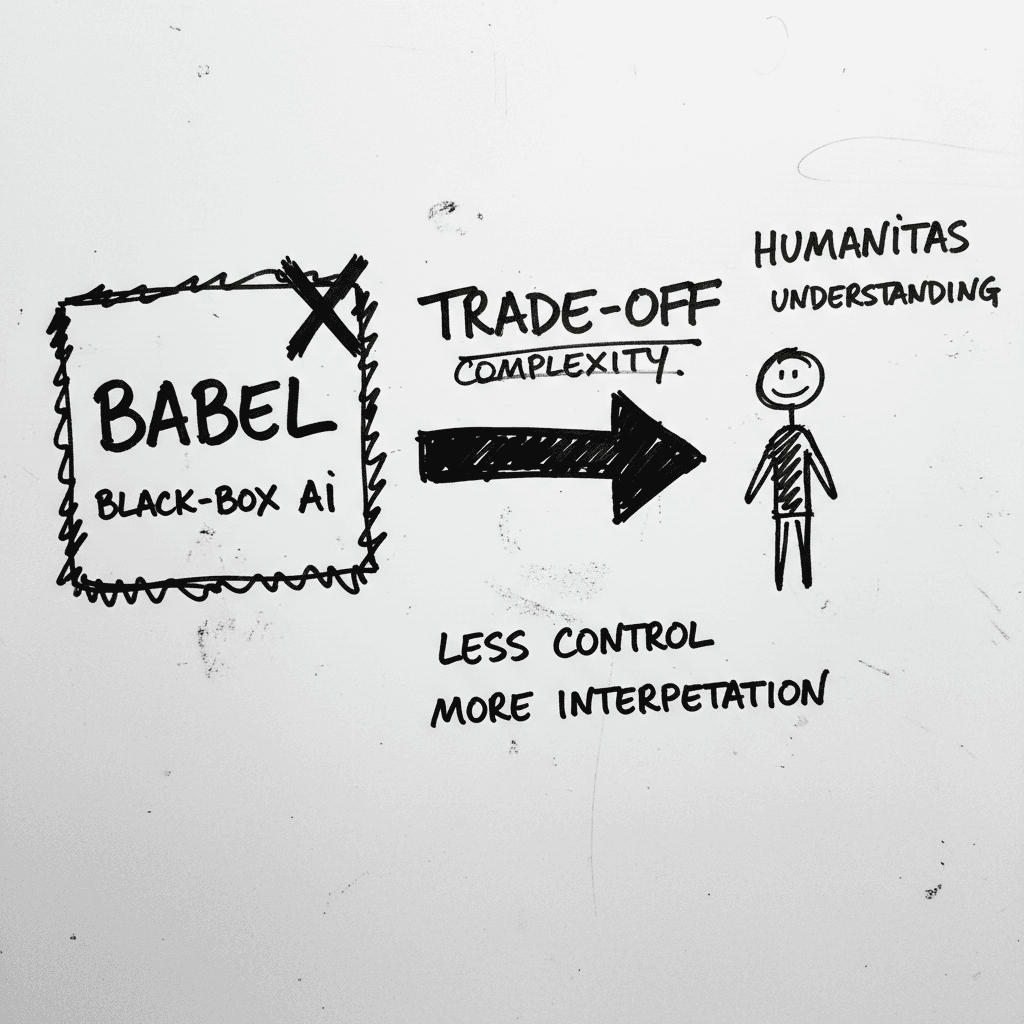
Magnifica Humanitas: The Vatican’s Framework for the GPT-5 Era
The document, signed May 15 and officially released today, was presented at the Vatican alongside Christopher Olah, co-founder of Anthropic and lead of its interpretability team (ncronline.org, Forbes
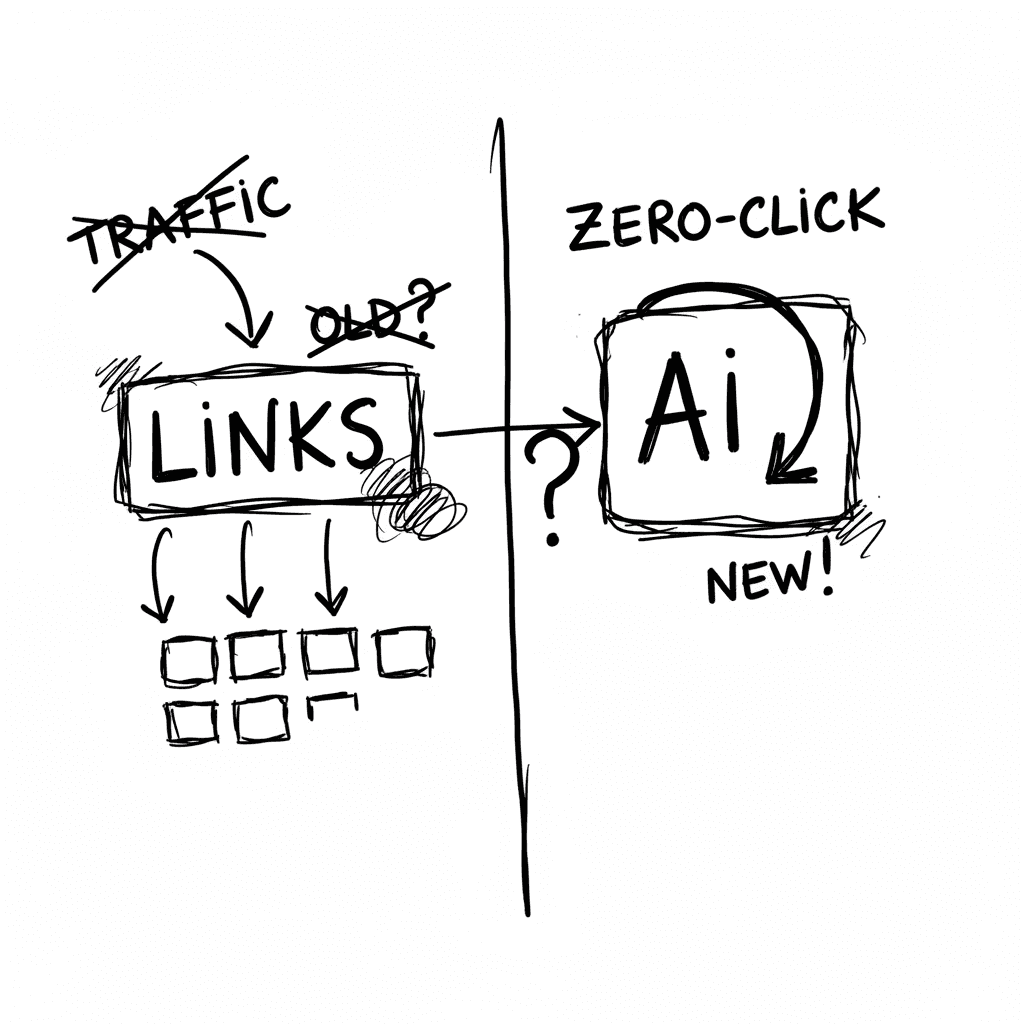
The Zero-Click Economy: Kagi Search vs. Google AI Mode
Google has effectively pivoted to an "answer engine" where Gemini 3.5 Flash provides conversational summaries, while Kagi remains the primary refuge for users seeking a human-centric, ad-free index. W
Stay Ahead of AI Adoption Trends
Get our latest reports and insights delivered to your inbox. No spam, just data.