
Technical Review: Michal Zalewski’s Physical Game of Life Build
Michal Zalewski, the security researcher known as lcamtuf, has moved Conway’s Game of Life from the screen to a large-scale physical LED matrix (source: lcamtuf.substack.com). This hardware project tr

The Pitch
Michal Zalewski, the security researcher known as lcamtuf, has moved Conway’s Game of Life from the screen to a large-scale physical LED matrix (source: lcamtuf.substack.com). This hardware project translates cellular automata into a tangible logic array that functions as a high-end architectural installation. It is currently gaining traction on Hacker News as a rare example of complex, non-virtual engineering in early 2026 (source: HN).
Under the Hood
The project uses a massive matrix of physical LEDs to represent individual cells, requiring a sophisticated hardware logic implementation rather than a software wrapper (source: HN Thread). In a landscape saturated with GPT-5 generated documentation, Zalewski’s "non-LLM" writing style has emerged as a primary trust signal for the technical community (source: HN Comment, March 2026). The build is complex enough to be cited alongside computer museum exhibits for its structural integrity (source: HN Thread).
Despite the aesthetic success, the project's engineering reality is punishing:
* The author admitted to budget overruns roughly 10x higher than initial hobbyist estimates (source: HN Comment).
* Maintenance is a bottleneck; a single "pixel" failure in the large physical array requires manual hardware repair.
* The build requires significant hardware and logic knowledge, far beyond a simple DIY kit.
* The project is a bespoke creation, not a commercial product available for purchase.
Several technical specifics remain unavailable in the current documentation. We don’t know yet the exact final Bill of Materials (BOM) cost in 2026 currency. Additionally, the total power consumption metrics for the full-scale array have not been disclosed. Those hoping for a shortcut will be disappointed, as information regarding the availability of pre-etched PCBs is currently missing.
Marcus's Take
This is a masterclass in technical masochism that serves as a necessary antithesis to our current AI-generated ephemeral reality. While Claude 4.5 can simulate these patterns in a millisecond, Zalewski’s build reminds us that physical hardware has no "undo" button. It is an architectural triumph but a financial disaster for any casual hobbyist. Play with a software simulation on your local machine; leave the five-figure LED bills and component-level debugging to the professionals.
Ship clean code,
Marcus.
Marcus Webb - Senior Backend Analyst at UsedBy.ai
Related Articles
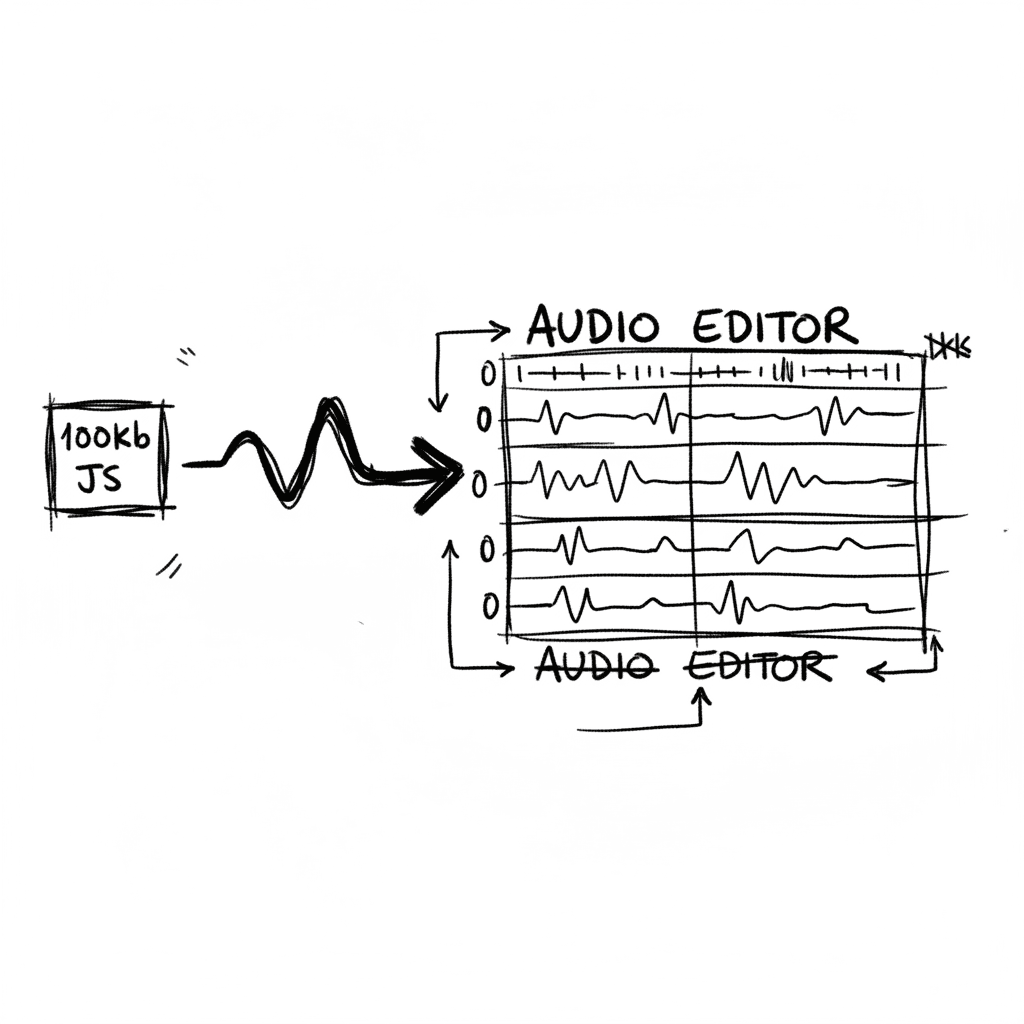
Audiomass: Multitrack Audio Editing via 100kb of Vanilla JavaScript
Audiomass is a browser-based, multitrack audio editor that operates entirely client-side with a remarkably small 100kb footprint (audiomass.co). It provides a workflow reminiscent of classic editors l
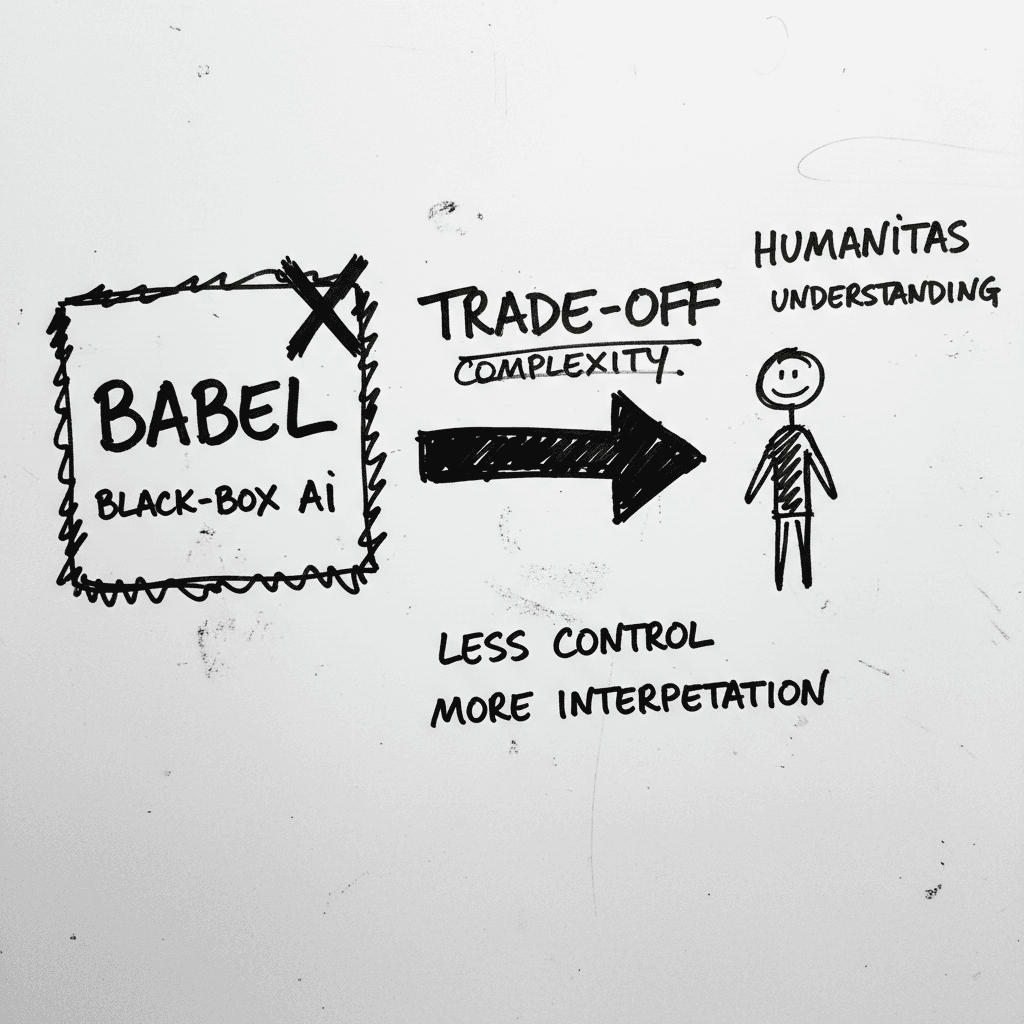
Magnifica Humanitas: The Vatican’s Framework for the GPT-5 Era
The document, signed May 15 and officially released today, was presented at the Vatican alongside Christopher Olah, co-founder of Anthropic and lead of its interpretability team (ncronline.org, Forbes

The Zero-Click Economy: Kagi Search vs. Google AI Mode
Google has effectively pivoted to an "answer engine" where Gemini 3.5 Flash provides conversational summaries, while Kagi remains the primary refuge for users seeking a human-centric, ad-free index. W
Stay Ahead of AI Adoption Trends
Get our latest reports and insights delivered to your inbox. No spam, just data.