
The 500MB Payload: The Technical Failure of Future PLC Infrastructure
PC Gamer recently published a guide to RSS readers, positioning them as the solution to modern social media bloat and algorithmic noise. The article is currently a focal point on Hacker News not for i

The Pitch
PC Gamer recently published a guide to RSS readers, positioning them as the solution to modern social media bloat and algorithmic noise. The article is currently a focal point on Hacker News not for its recommendations, but for the staggering inefficiency of the web infrastructure delivering the message.
Under the Hood
The initial page load for this text-heavy article is approximately 37MB (source: stuartbreckenridge.net). To put this into perspective, a full installation of Windows 95—an entire operating system—requires only 40MB of space (Source: HN).
The data consumption scales aggressively the longer the tab remains active. Background ad-injection scripts and autoplaying video payloads download roughly 500MB of data within five minutes of active tab time (Source: HN). This represents one of the most inefficient content delivery systems observed in 2026.
Analysis using uBlock Origin on Firefox confirms that ~85% of the initial load is non-content bloat, as the page weight drops to 5.6MB when trackers and ads are stripped (Source: HN). This suggests the core content is relatively small, but is wrapped in a massive, resource-heavy telemetry and advertising shell.
We don't know yet how the Future PLC engineering team justifies these metrics, as there is no official comment on their 2026 optimization strategy (UsedBy Dossier). Furthermore, internal data regarding the percentage of "ghost" impressions generated by these background-loading ads remains private (UsedBy Dossier).
The high volume of background requests causes significant thermal throttling on mobile devices (UsedBy Dossier). Beyond performance, the extreme density of trackers required for this level of throughput poses a massive fingerprinting risk to any user not behind a hardened firewall or proxy.
Marcus's Take
There is a certain dry irony in requiring a half-gigabyte of data to read a recommendation on how to "simplify" your digital life. From a backend perspective, this is an indefensible architecture that prioritizes ad-tech throughput over basic client-side stability. If you are on a metered 5G or 6G connection, visiting this site is a billable event you should avoid. Skip the site entirely and use a dedicated RSS aggregator or a terminal-based reader to pull the raw text; your hardware and your data plan will thank you.
Ship clean code,
Marcus.
Marcus Webb - Senior Backend Analyst at UsedBy.ai
Related Articles
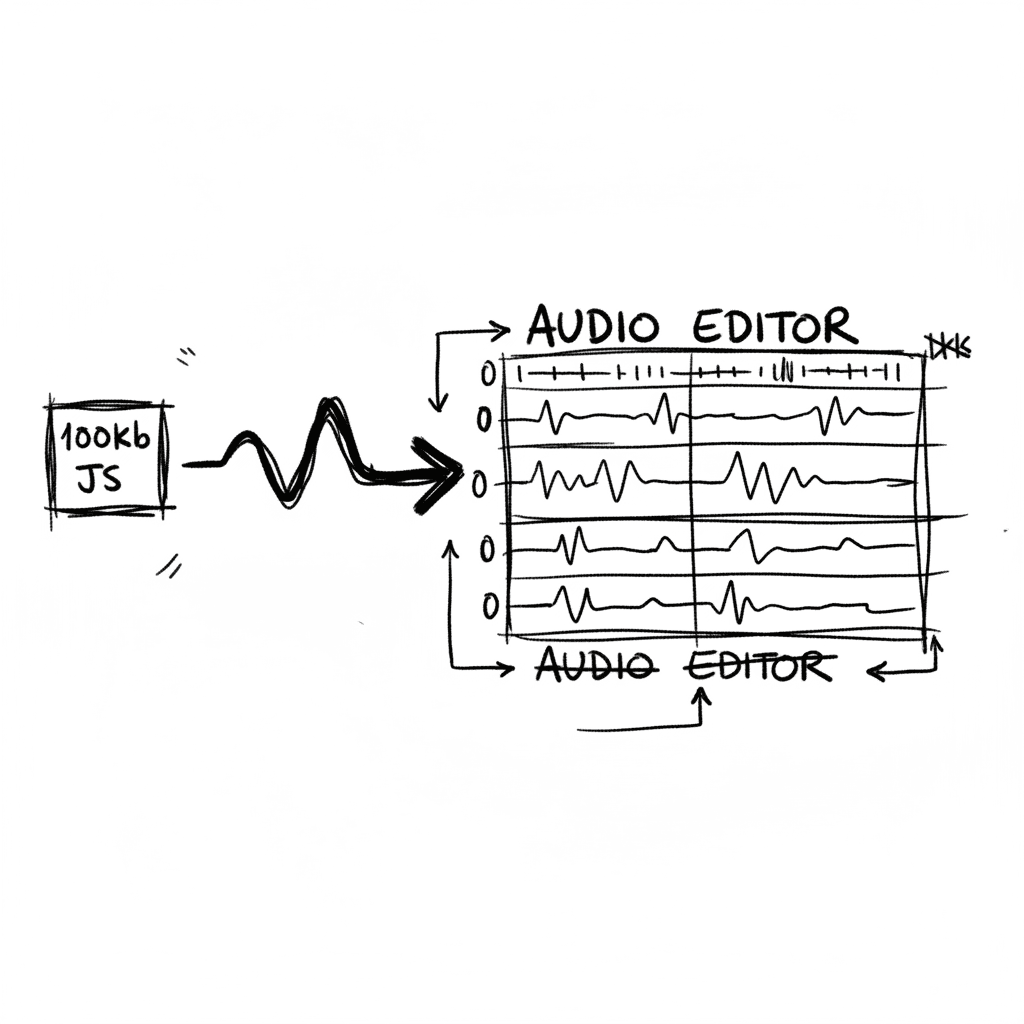
Audiomass: Multitrack Audio Editing via 100kb of Vanilla JavaScript
Audiomass is a browser-based, multitrack audio editor that operates entirely client-side with a remarkably small 100kb footprint (audiomass.co). It provides a workflow reminiscent of classic editors l
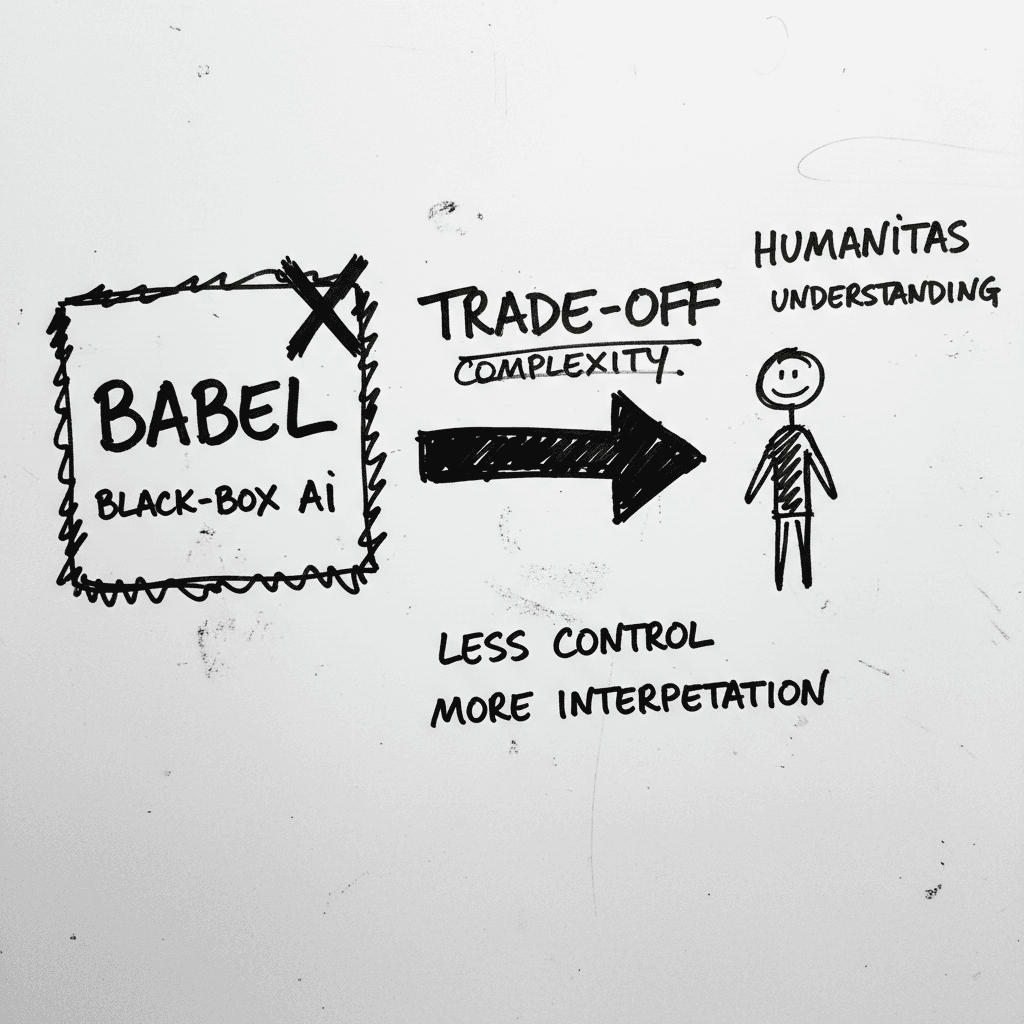
Magnifica Humanitas: The Vatican’s Framework for the GPT-5 Era
The document, signed May 15 and officially released today, was presented at the Vatican alongside Christopher Olah, co-founder of Anthropic and lead of its interpretability team (ncronline.org, Forbes
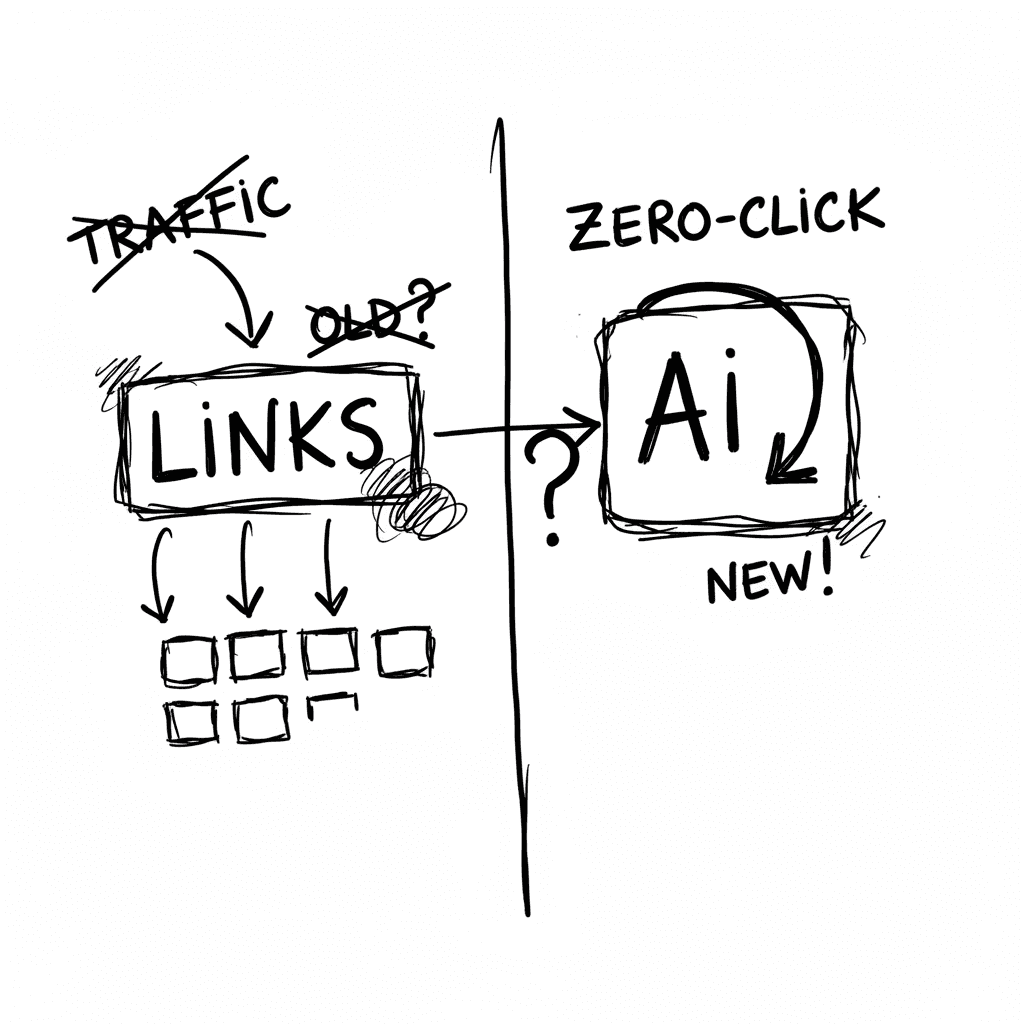
The Zero-Click Economy: Kagi Search vs. Google AI Mode
Google has effectively pivoted to an "answer engine" where Gemini 3.5 Flash provides conversational summaries, while Kagi remains the primary refuge for users seeking a human-centric, ad-free index. W
Stay Ahead of AI Adoption Trends
Get our latest reports and insights delivered to your inbox. No spam, just data.