
The Chardet v7.0.0 Rewrite: AI-Assisted Relicensing and the Derivative Trap
The chardet library (v7.0.0) was released on March 5, 2026, as a complete codebase rewrite performed by AI to facilitate a transition from LGPL to MIT. (Source: tuananh.net). Maintainers argue that a

The Pitch
The chardet library (v7.0.0) was released on March 5, 2026, as a complete codebase rewrite performed by AI to facilitate a transition from LGPL to MIT. (Source: tuananh.net). Maintainers argue that a total refactor via Claude 4.5 Opus removes the original copyleft obligations, essentially treating the LLM as a clean-room implementation layer. (Source: HN).
Under the Hood
Claude 4.5 Opus and GPT-5 currently dominate the SWE-bench Verified benchmarks with scores exceeding 80%, making full-repository logic replication technically feasible. (Source: devtk.ai). This capability allows developers to feed legacy GPL/LGPL codebases into a context window and request a functionally identical version written from scratch. (Source: UsedBy Dossier).
However, this strategy faces a significant legal wall following the U.S. Supreme Court decision on March 2, 2026. (Source: paddo.dev). The court upheld that purely AI-generated works lack copyright protection due to the absence of human authorship. Consequently, if the chardet v7.0.0 code is considered purely AI-generated, the maintainers cannot legally enforce the MIT license terms they’ve applied.
Furthermore, legal experts argue this creates a derivative work liability. (Source: UsedBy Dossier). If the AI model was "exposed" to the original LGPL source to generate the new version, the output may still be legally tied to the original license terms. (Source: HN Comment #4). It appears the maintainers are attempting to use Claude 4.5 as a legal laundry machine, though the rinse cycle seems to have failed.
We do not know the exact prompt chain used for the chardet v7.0.0 rewrite or the level of human intervention involved. (Source: UsedBy Dossier). Without a definitive ruling on whether an AI qualifies as a valid "Team B" for clean-room engineering, the legal status of this code remains in an ownership void.
Marcus's Take
Skip this for production use. While the technical parity of the rewrite might be high given current Claude 4.5 benchmarks, the legal foundation is non-existent. You are trading a known LGPL compliance headache for a complete lack of copyrightable title and potential litigation from original contributors. This is license laundering, and until a court rules that an AI-mediated rewrite breaks the derivative chain, your legal department will hate you for even looking at it.
Ship clean code,
Marcus.
Marcus Webb - Senior Backend Analyst at UsedBy.ai
Related Articles
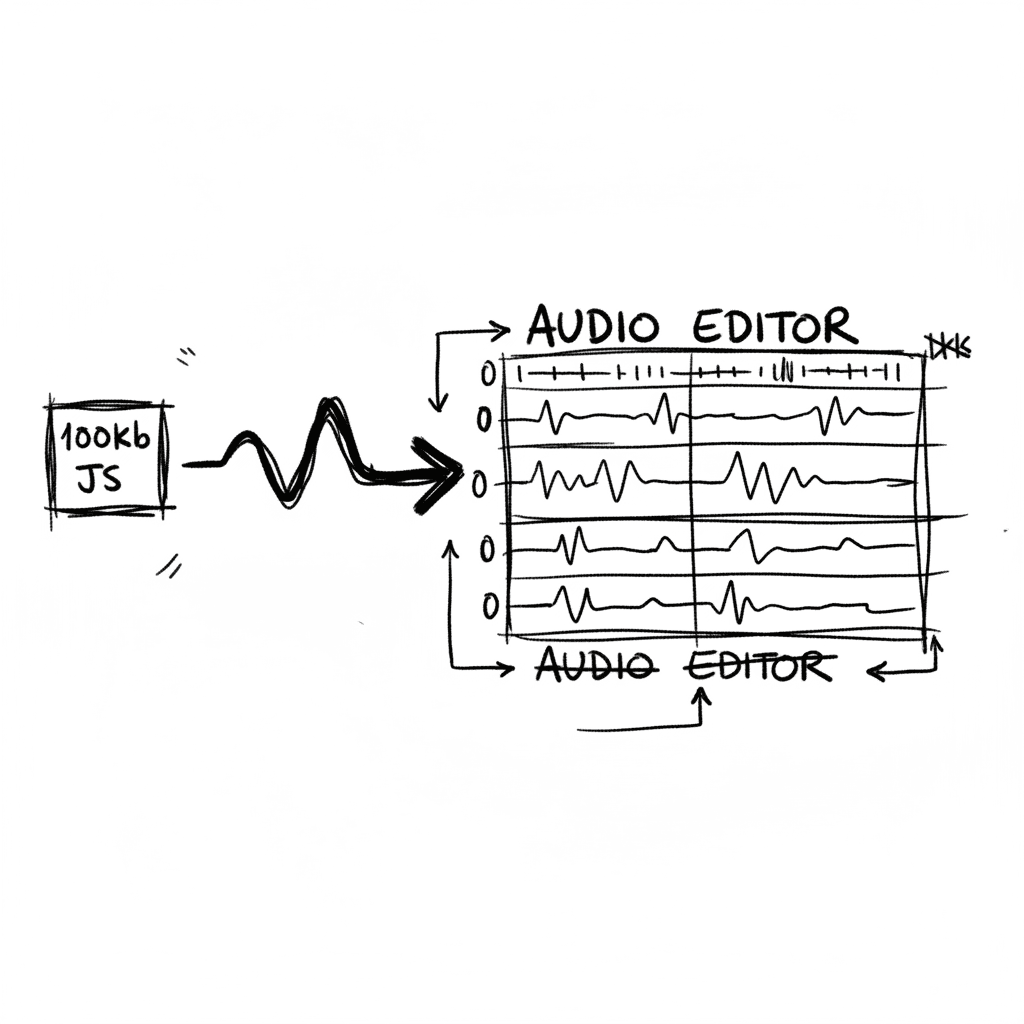
Audiomass: Multitrack Audio Editing via 100kb of Vanilla JavaScript
Audiomass is a browser-based, multitrack audio editor that operates entirely client-side with a remarkably small 100kb footprint (audiomass.co). It provides a workflow reminiscent of classic editors l
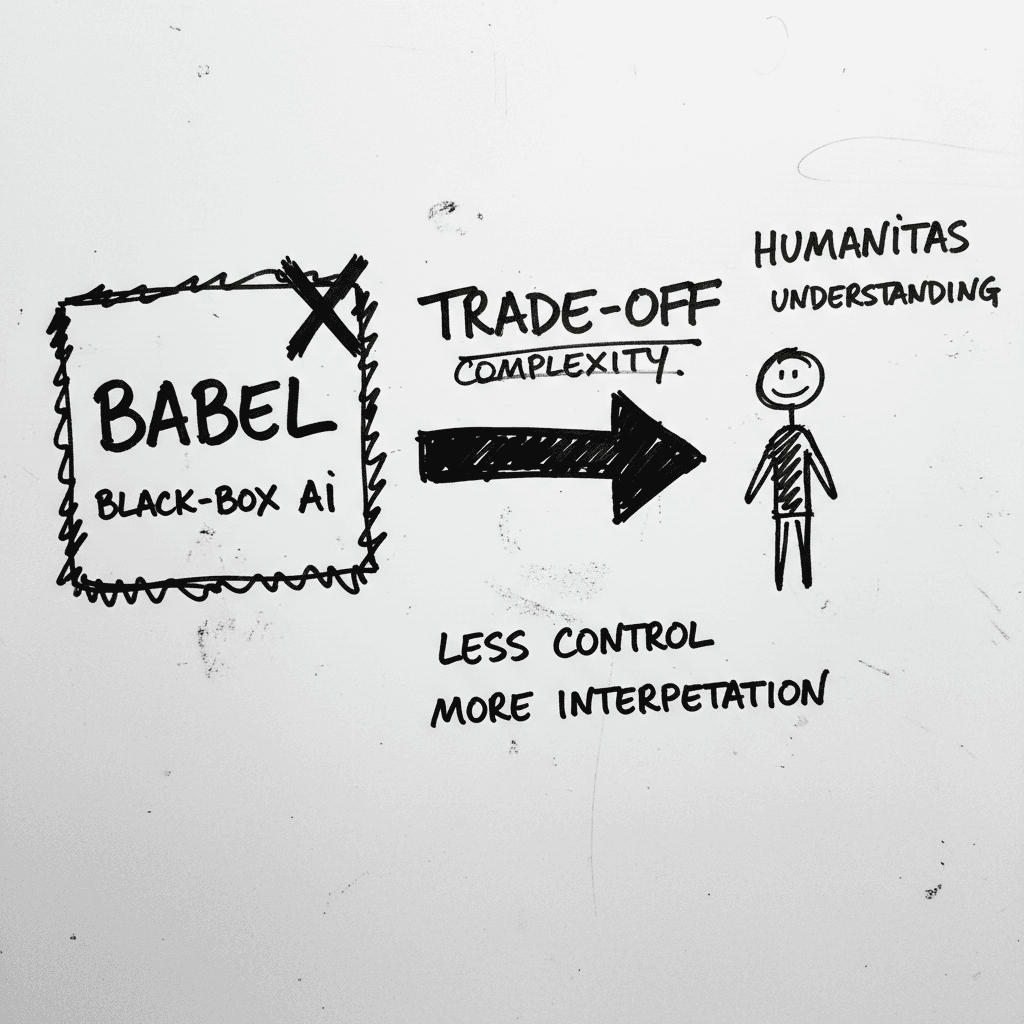
Magnifica Humanitas: The Vatican’s Framework for the GPT-5 Era
The document, signed May 15 and officially released today, was presented at the Vatican alongside Christopher Olah, co-founder of Anthropic and lead of its interpretability team (ncronline.org, Forbes
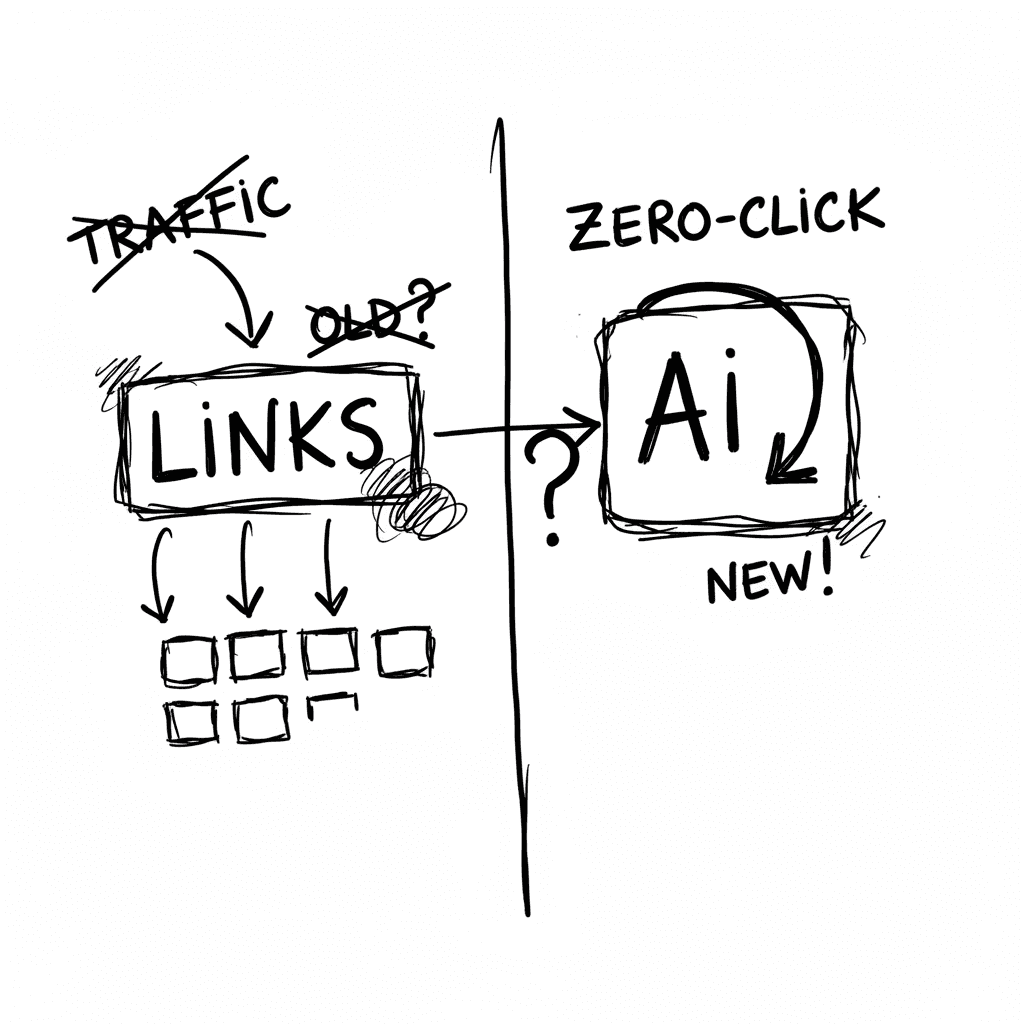
The Zero-Click Economy: Kagi Search vs. Google AI Mode
Google has effectively pivoted to an "answer engine" where Gemini 3.5 Flash provides conversational summaries, while Kagi remains the primary refuge for users seeking a human-centric, ad-free index. W
Stay Ahead of AI Adoption Trends
Get our latest reports and insights delivered to your inbox. No spam, just data.