
The Corporate Consolidation of the Python Toolchain
Astral has transitioned from a high-performance Python toolchain to the primary infrastructure layer for OpenAI following its March 2026 acquisition (Investing.com). It remains the default choice for

The Pitch
Astral has transitioned from a high-performance Python toolchain to the primary infrastructure layer for OpenAI following its March 2026 acquisition (Investing.com). It remains the default choice for developers prioritising speed and ruff-powered linting, despite growing concerns over corporate neutrality.
Under the Hood
Astral’s acquisition on March 19, 2026, cements its role as the backbone of the Codex AI ecosystem (Investing.com, March 2026). The toolchain now manages over 126 million monthly downloads and is critical to OpenAI's internal operations, reportedly saving them 1 million compute minutes every week (apiyi.com, March 2026). One assumes that for OpenAI, "save the planet" actually means "reduce the AWS bill."
The security architecture, led by William Woodruff, is built on PyPI Trusted Publishing and PEP 740 standards (Trail of Bits/YouTube, 2023-2025). However, technical debt remains visible; a moderate severity ZIP parsing differential (CVE-2025-54368) required patching in August 2025 (Astral Blog/GitHub). Furthermore, the 'uv audit' command for native vulnerability scanning remains on the roadmap and is not yet available for production use (GitHub Issue #18506).
Supply chain integrity is the primary point of contention among senior backend engineers. Critics argue that Astral’s reliance on GitHub Actions CI is inherently insecure due to mutable action references, a vulnerability that led to compromises in projects like Trivy and Nx in early 2026 (GitHub Security Roadmap, April 2026). Projects like Stagex suggest that only their bootstrapped builds offer true integrity, unlike Astral’s binaries (Hacker News, April 2026).
We don't know yet what the future holds for 'pyx', the beta package registry launched in August 2025. It was not mentioned during the OpenAI acquisition, leaving users in a state of architectural limbo (UsedBy Dossier). Additionally, despite its critical role in global AI infrastructure, Astral still does not offer a formal bug bounty program (GitHub Security Policy).
Marcus's Take
Astral is the fastest toolchain on the market, but its neutrality died the moment the OpenAI ink dried. If you are building on Claude 4.5 or Gemini 2.5, you must account for "maintenance priority" risks where Astral tools may eventually be optimised specifically for Codex environments (Simon Willison, March 2026). Use it for the local development speed, but for your production CI/CD, stick to Stagex or more transparently bootstrapped alternatives until Astral ships a native audit tool and a proper bug bounty.
Ship clean code,
Marcus.
Marcus Webb - Senior Backend Analyst at UsedBy.ai
Related Articles
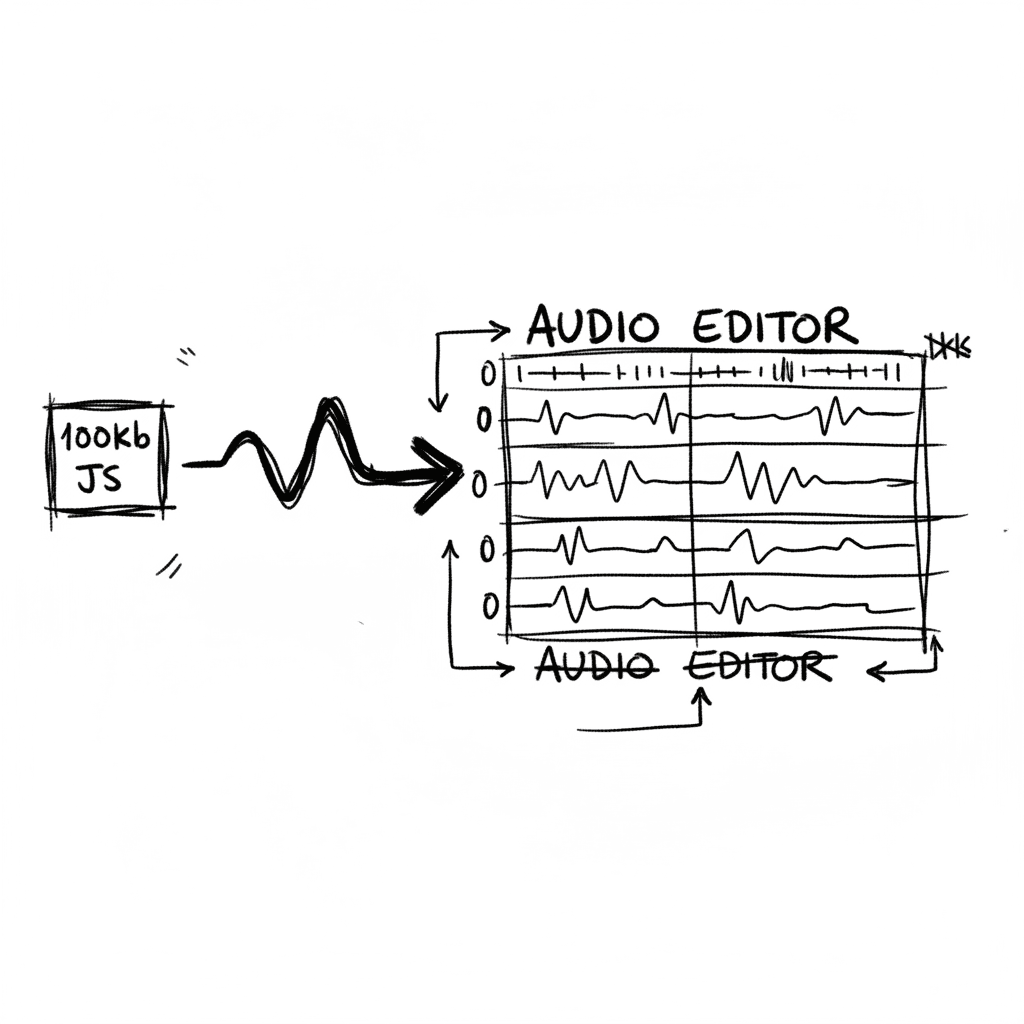
Audiomass: Multitrack Audio Editing via 100kb of Vanilla JavaScript
Audiomass is a browser-based, multitrack audio editor that operates entirely client-side with a remarkably small 100kb footprint (audiomass.co). It provides a workflow reminiscent of classic editors l
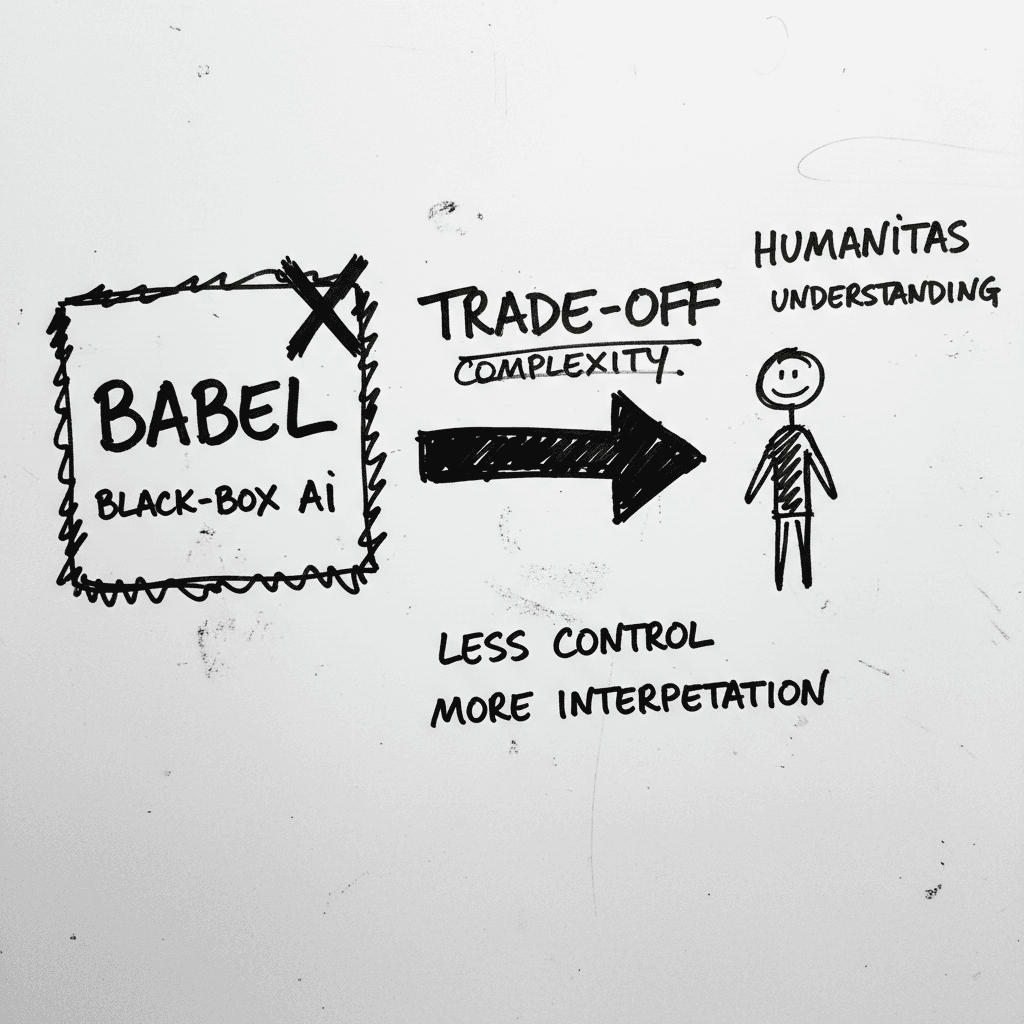
Magnifica Humanitas: The Vatican’s Framework for the GPT-5 Era
The document, signed May 15 and officially released today, was presented at the Vatican alongside Christopher Olah, co-founder of Anthropic and lead of its interpretability team (ncronline.org, Forbes
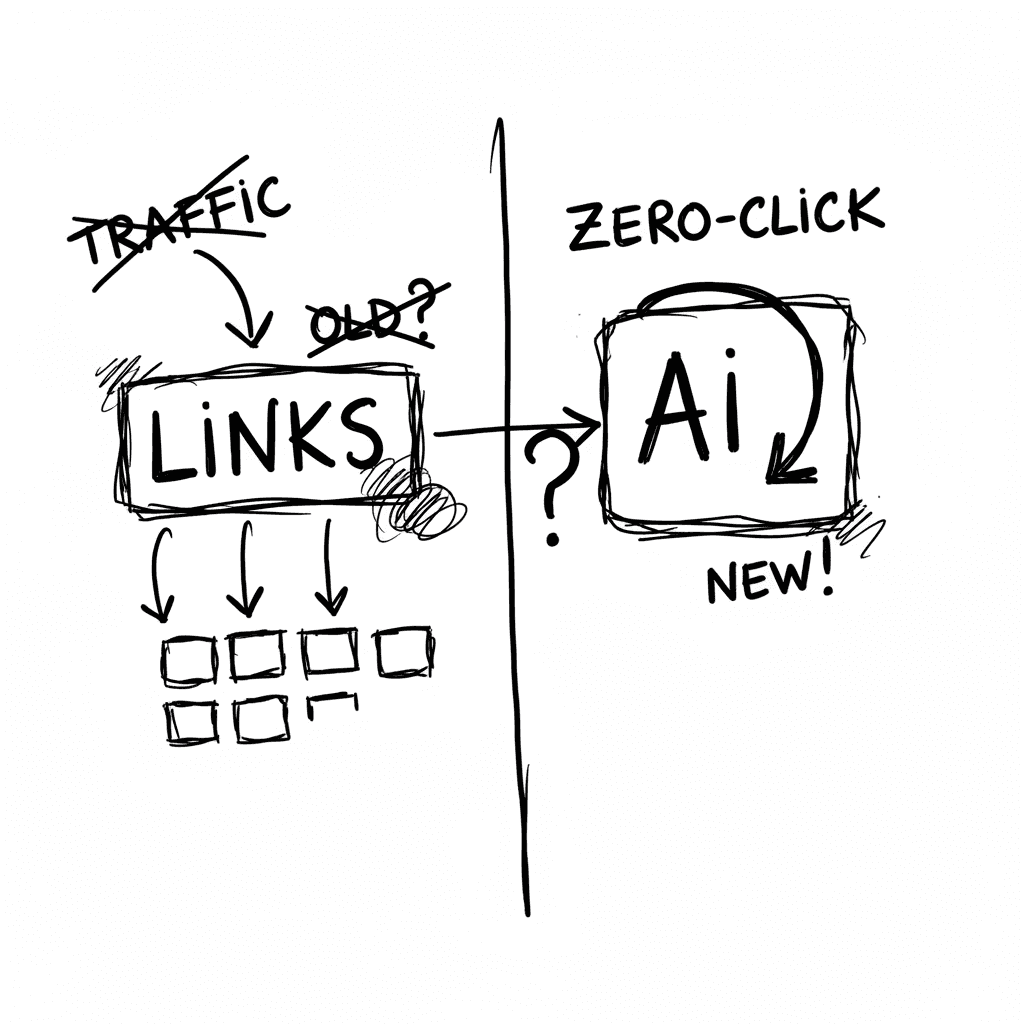
The Zero-Click Economy: Kagi Search vs. Google AI Mode
Google has effectively pivoted to an "answer engine" where Gemini 3.5 Flash provides conversational summaries, while Kagi remains the primary refuge for users seeking a human-centric, ad-free index. W
Stay Ahead of AI Adoption Trends
Get our latest reports and insights delivered to your inbox. No spam, just data.