
The Engineering Supervisory Burden: Analysis of Koshy John’s Judgment-Led Philosophy
Koshy John’s philosophy advocates for engineers to delegate "syntax and drudgery" to AI while retaining "high-value judgment" and hidden constraints. In the current landscape of GPT-5 and Claude 4.5 O

The Pitch
Koshy John’s philosophy advocates for engineers to delegate "syntax and drudgery" to AI while retaining "high-value judgment" and hidden constraints. In the current landscape of GPT-5 and Claude 4.5 Opus, this approach repositions the developer as an auditor of complex agentic proposals. (source: Koshy John Blog).
Under the Hood
The technical capability of modern models has shifted the bottleneck from generation to verification. Claude 4.5 Opus maintains an 80.9% score on the SWE-Bench, which exceeds the performance of most human technical candidates (Source: Anthropic 2025/2026 reports).
Developers now report that "writing code" has been replaced by "evaluating proposals." These sessions often last between one and five hours as engineers work to refine architectural changes suggested by the model (Source: Hacker News).
The primary risk identified in 2026 is "supervisory fatigue." Correcting AI-generated proposals for hours is increasingly described as more mentally taxing than building from scratch (Source: HN comment 47890339).
A "Judgment Gap" is forming among junior staff. Because AI handles the initial "struggle" phase of coding, newer engineers are failing to build the intuition required to supervise GPT-5 level agents effectively (Source: UsedBy Dossier).
We do not know yet how this shift impacts long-term technical debt. Furthermore, specific industry-wide burnout metrics for this agentic supervision era remain unpublished (UsedBy Dossier).
Marcus's Take
Judgment-led engineering is the only way to remain relevant, but it is a exhausting trap if you value your sanity. Reviewing a 2,000-line Claude 4.5 proposal at 4 PM is the cognitive equivalent of proofreading a dictionary while riding a unicycle; it is technically possible, but your brain will resent the effort.
Use this approach for complex refactoring, but do not mistake it for a reduction in workload. It simply trades the manual labor of typing for the high-stakes stress of high-level auditing. If you lack the seniority to spot "weird shit" in a sea of perfect syntax, you aren't an engineer anymore—you're just a rubber stamp for a hallucination.
Ship clean code,
Marcus.
Marcus Webb - Senior Backend Analyst at UsedBy.ai
Related Articles
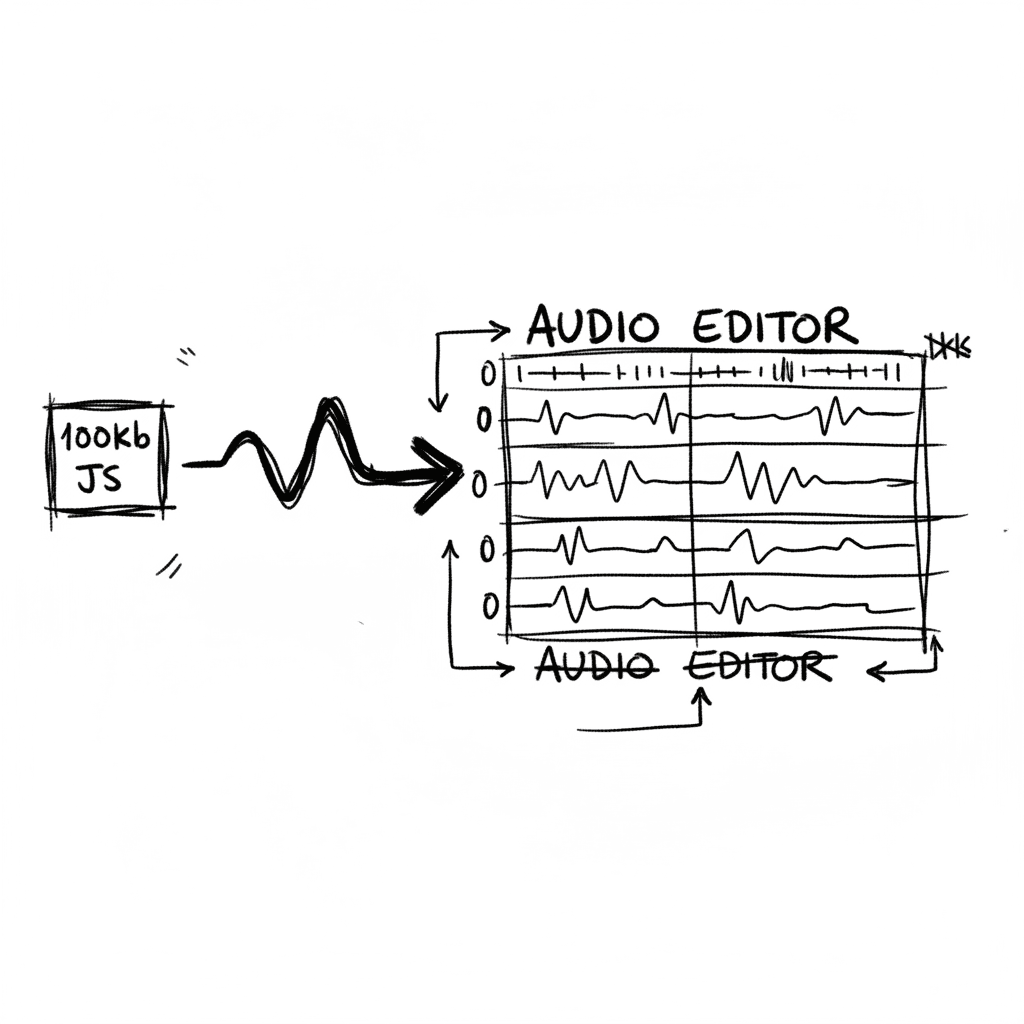
Audiomass: Multitrack Audio Editing via 100kb of Vanilla JavaScript
Audiomass is a browser-based, multitrack audio editor that operates entirely client-side with a remarkably small 100kb footprint (audiomass.co). It provides a workflow reminiscent of classic editors l
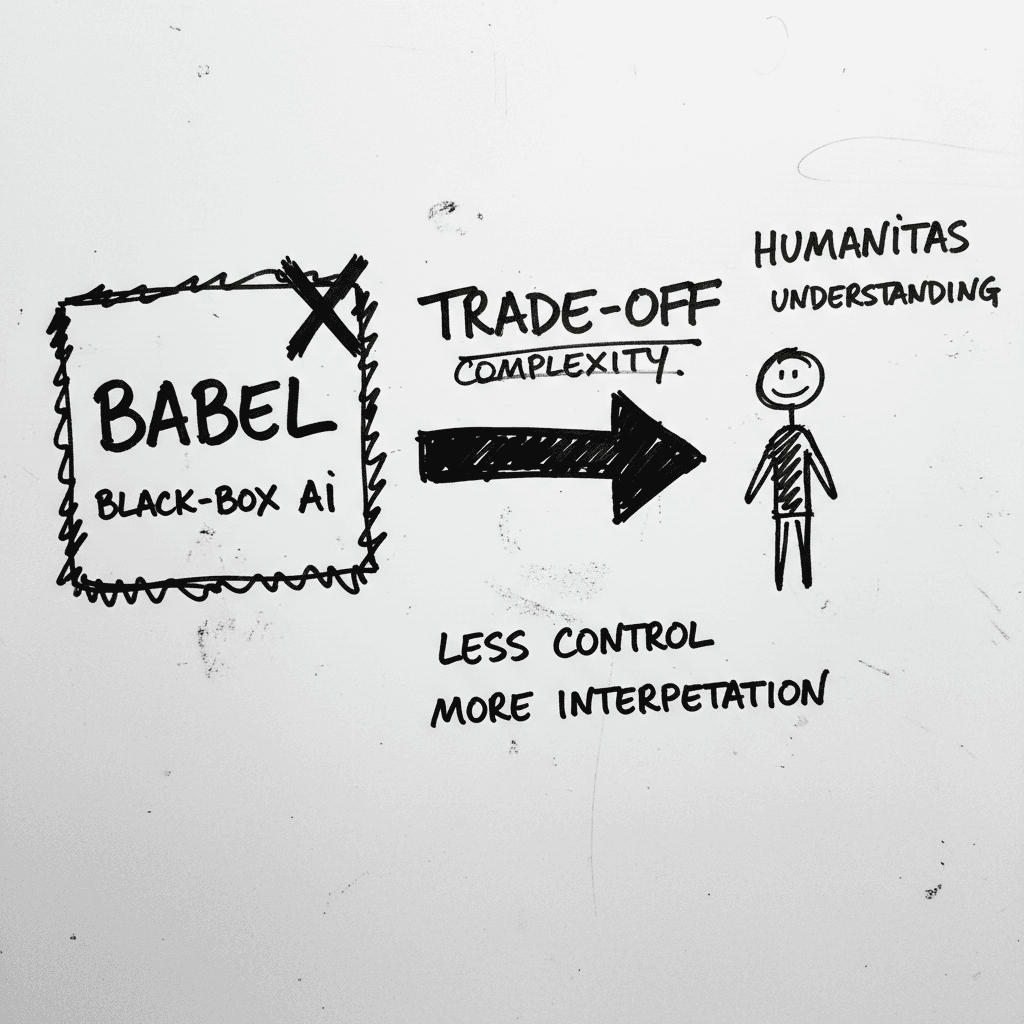
Magnifica Humanitas: The Vatican’s Framework for the GPT-5 Era
The document, signed May 15 and officially released today, was presented at the Vatican alongside Christopher Olah, co-founder of Anthropic and lead of its interpretability team (ncronline.org, Forbes
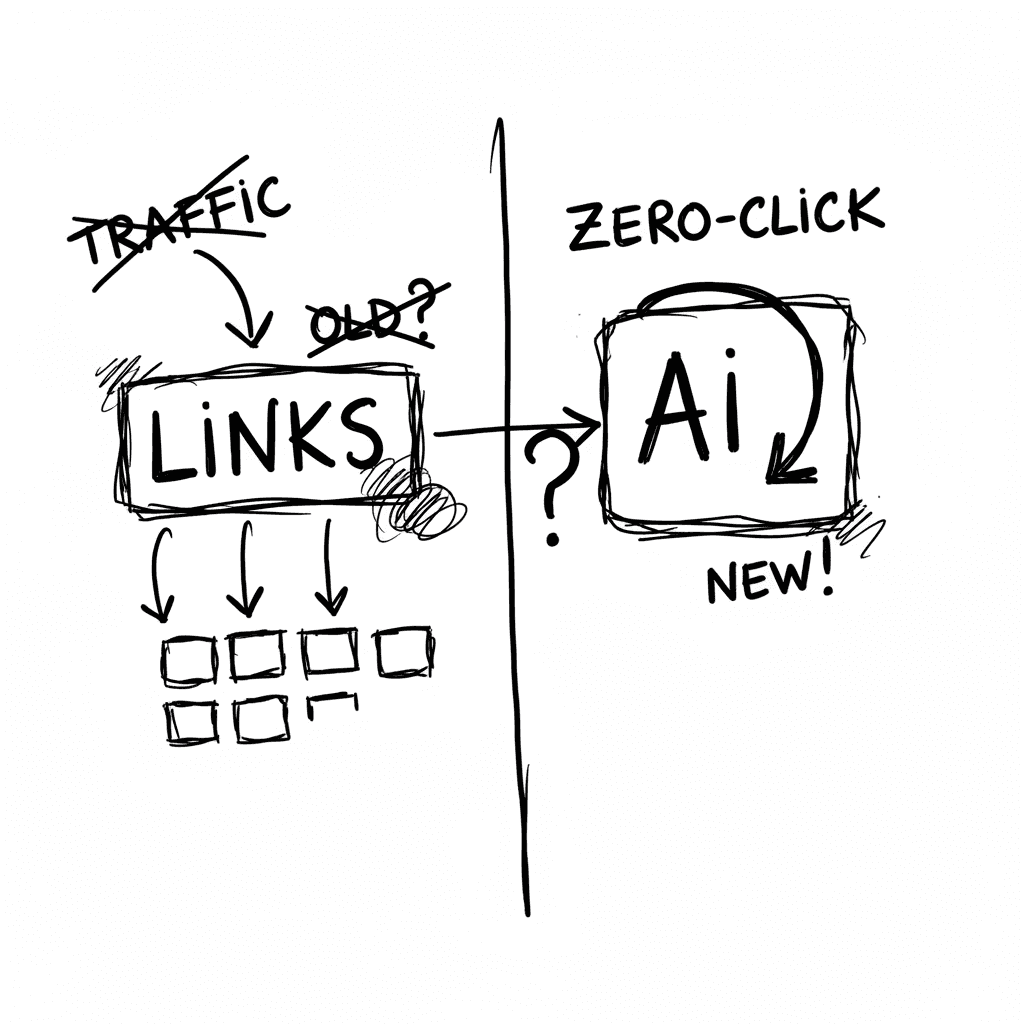
The Zero-Click Economy: Kagi Search vs. Google AI Mode
Google has effectively pivoted to an "answer engine" where Gemini 3.5 Flash provides conversational summaries, while Kagi remains the primary refuge for users seeking a human-centric, ad-free index. W
Stay Ahead of AI Adoption Trends
Get our latest reports and insights delivered to your inbox. No spam, just data.