
The Foster Framework and the Technical Debt of Custom C# Stacks
Foster operates as a thin layer over SDL3, providing the essentials for 2D rendering and input without the overhead of a traditional editor (GitHub). It enables advanced developer workflows, including

The Pitch
The Foster Framework is a lightweight C# game framework built on top of SDL3 and FNA, designed by Noel Berry of Celeste fame. It targets developers looking to bypass the bloat and shifting commercial terms of mainstream engines by providing total control over the development stack.
Under the Hood
Foster operates as a thin layer over SDL3, providing the essentials for 2D rendering and input without the overhead of a traditional editor (GitHub). It enables advanced developer workflows, including C# hot reloading and live asset-injection, which allow for near-instant iteration during the build process (Noelberry.ca).
However, the "no-engine" path has demonstrated significant stability risks even for high-tier independent studios. Extremely OK Games cancelled their major follow-up title, Earthblade, in December 2024 (Gamedeveloper.com). The cancellation was directly linked to development struggles and friction arising from the complexity of their custom toolchain.
The framework also introduces a high maintenance burden that commercial engines handle internally. Specifically, custom stacks lack the stable, one-click console publishing pipelines found in Unity or Unreal (Source: HN). Developers using Foster must manually maintain low-level systems for rendering and audio, a task that scales poorly as project complexity increases (BinaryNonsense.com).
We don't know yet how Foster will adapt to 2026-generation hardware, as its current maintenance status for PS6 or next-gen Xbox APIs isn't public. Additionally, there is no verified financial data to prove that the cost of maintaining a bespoke framework is lower than paying standard engine royalties over a five-year development cycle.
Marcus's Take
Building a custom framework is the ultimate siren song for engineers who prefer tweaking systems to shipping products. Foster is an elegant piece of software, but the Earthblade collapse proves that even elite teams can be buried by the technical debt of their own making. Unless you are building a pixel-perfect 2D platformer with a decade-long development horizon, using this in production is a mistake. Play with it to learn the low-level plumbing, but keep your commercial projects on stable ground.
Ship clean code,
Marcus.
Marcus Webb - Senior Backend Analyst at UsedBy.ai
Related Articles
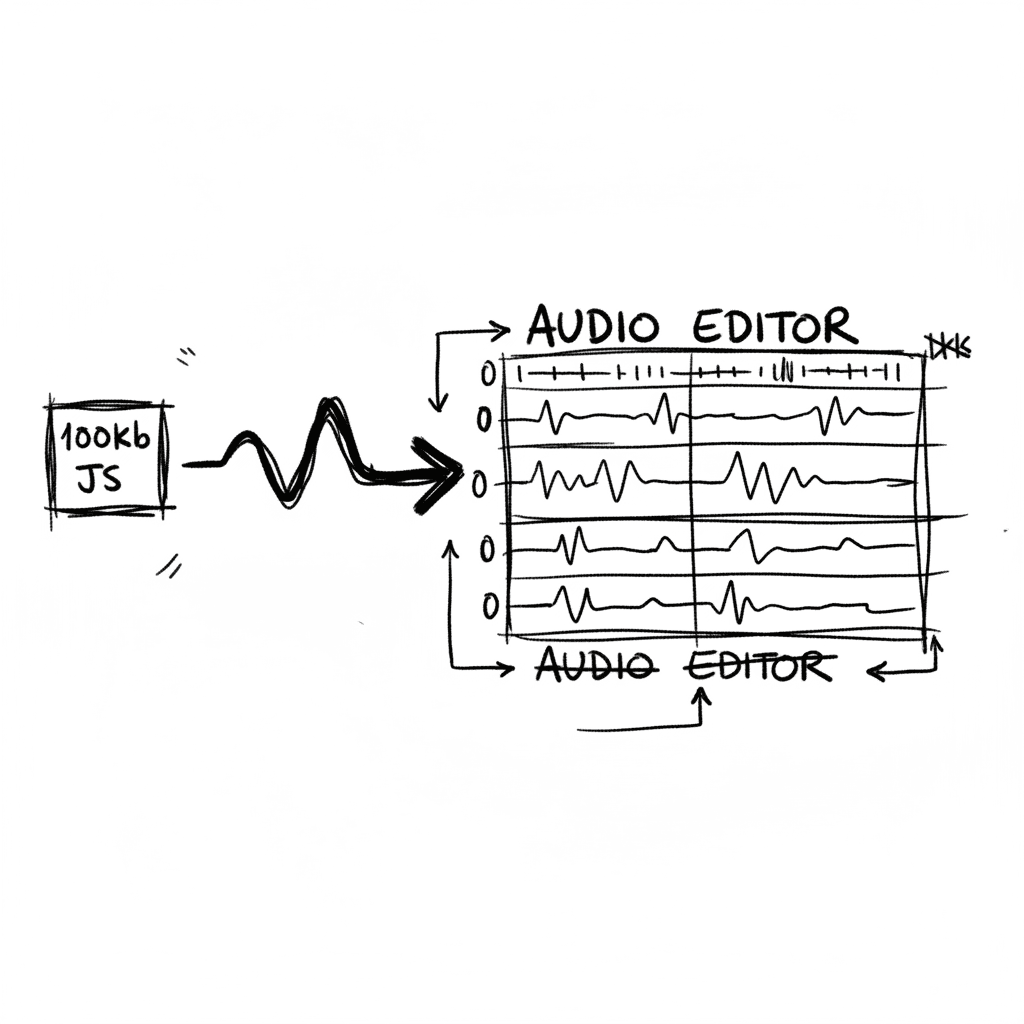
Audiomass: Multitrack Audio Editing via 100kb of Vanilla JavaScript
Audiomass is a browser-based, multitrack audio editor that operates entirely client-side with a remarkably small 100kb footprint (audiomass.co). It provides a workflow reminiscent of classic editors l
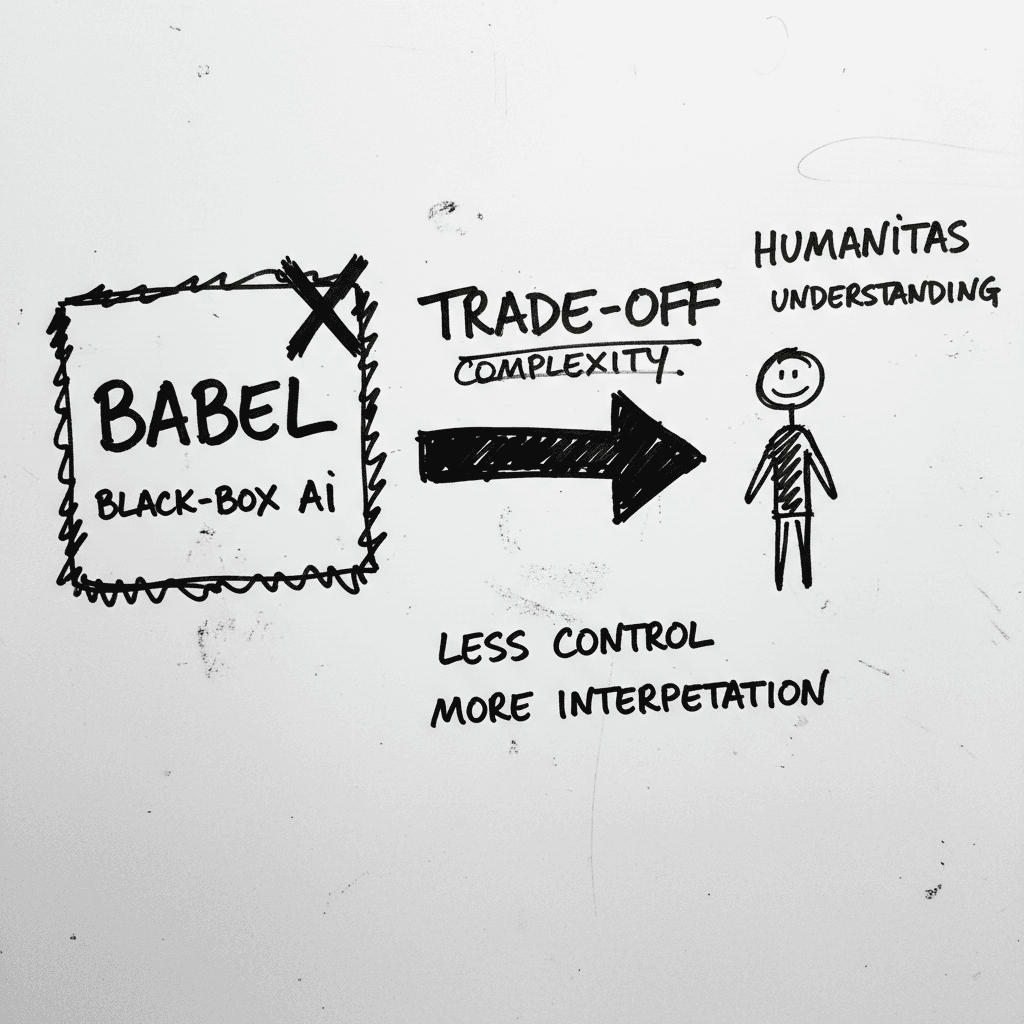
Magnifica Humanitas: The Vatican’s Framework for the GPT-5 Era
The document, signed May 15 and officially released today, was presented at the Vatican alongside Christopher Olah, co-founder of Anthropic and lead of its interpretability team (ncronline.org, Forbes
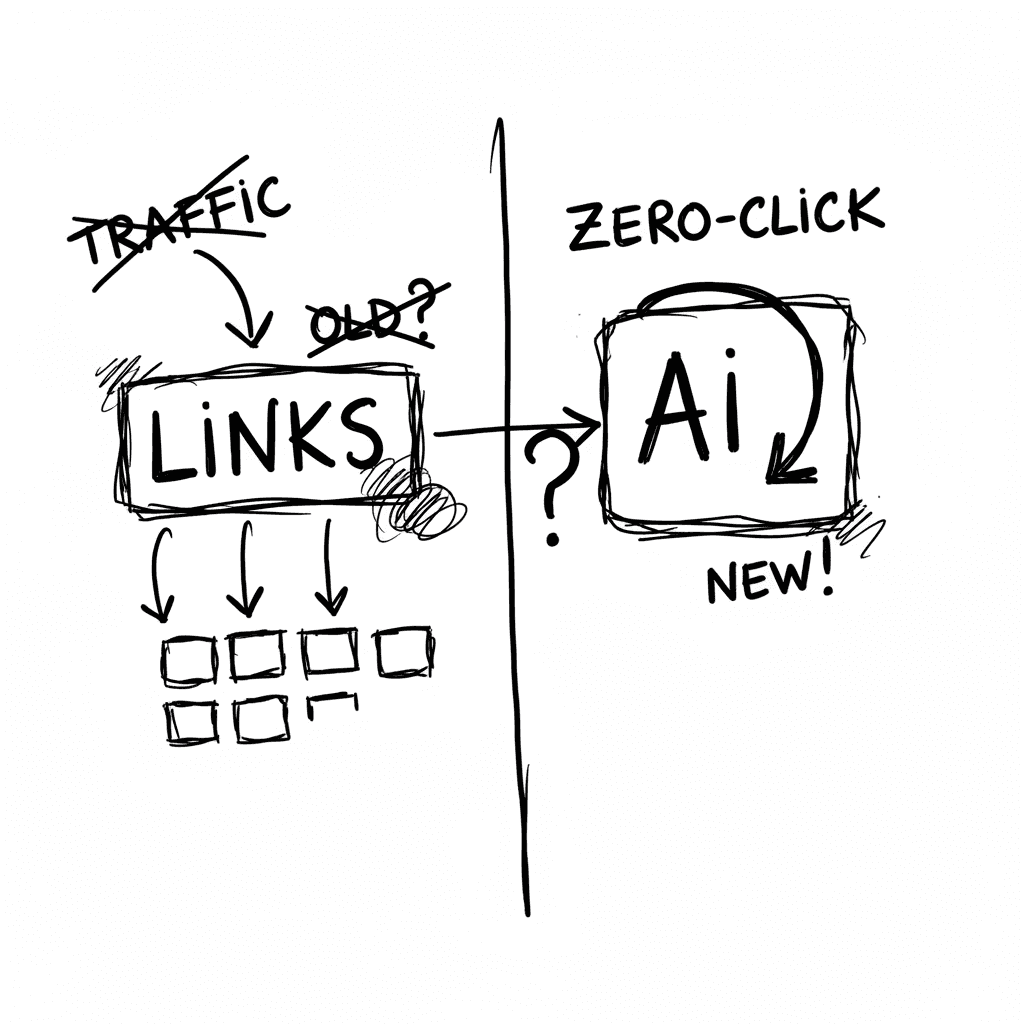
The Zero-Click Economy: Kagi Search vs. Google AI Mode
Google has effectively pivoted to an "answer engine" where Gemini 3.5 Flash provides conversational summaries, while Kagi remains the primary refuge for users seeking a human-centric, ad-free index. W
Stay Ahead of AI Adoption Trends
Get our latest reports and insights delivered to your inbox. No spam, just data.