
The Independence of arXiv
arXiv is decoupling from Cornell University to become a standalone nonprofit foundation on July 1, 2026 (Source: Cornell.edu). This structural pivot aims to scale infrastructure against a 17% annual s

The Pitch
arXiv is decoupling from Cornell University to become a standalone nonprofit foundation on July 1, 2026 (Source: Cornell.edu). This structural pivot aims to scale infrastructure against a 17% annual submission surge, a volume now largely sustained by the relentless output of LLM research.
Under the Hood
The transition addresses a 35-year-old infrastructure that is buckling under the weight of the current AI boom. While the move is framed as modernization, the backend reality reveals significant shifts in how research will be distributed and gatekept in the GPT-5 era.
- Official transition to a standalone nonprofit is scheduled for July 1, 2026 (Source: Cornell.edu).
- The annual operating budget is approximately $6 million, supporting a staff of 27 employees (Source: Mathstodon / John Carlos Baez).
- A new moderation policy enacted in October 2025 requires CS survey papers to be pre-accepted at journals before appearing on the platform (Source: arXiv Blog).
- The executive search via Spencer Stuart resulted in a CEO salary of approximately $300,000, which accounts for 5% of the total budget (Source: HN).
- Infrastructure upgrades are currently being funded by NASA and Schmidt Sciences, though we don't know yet if this includes a move away from TeX-only source requirements.
The shift toward requiring external peer review for CS surveys marks the end of arXiv's tenure as a purely neutral preprint server. This "opinionated gatekeeping" is a direct response to the influx of low-quality automated papers, but it risks marginalizing independent researchers who lack institutional journal access.
We also do not know the full roster of the inaugural Board of Directors. This lack of transparency leads to valid concerns regarding institutional capture by major corporate donors or the Simons Foundation (UsedBy Dossier).
Marcus's Take
The era of arXiv as a digital wild west for research is over. While the infrastructure overhaul is decades overdue, the combination of a high executive payroll and stricter submission filters suggests that "free" access for authors may eventually be replaced by submission fees. If you are an independent dev or a researcher without a university affiliation, the platform is becoming less of a resource and more of a gated community. Use it for consumption, but expect the barrier to entry for publishing to rise as they attempt to filter out GPT-5 slop.
Ship clean code,
Marcus.
Marcus Webb - Senior Backend Analyst at UsedBy.ai
Related Articles
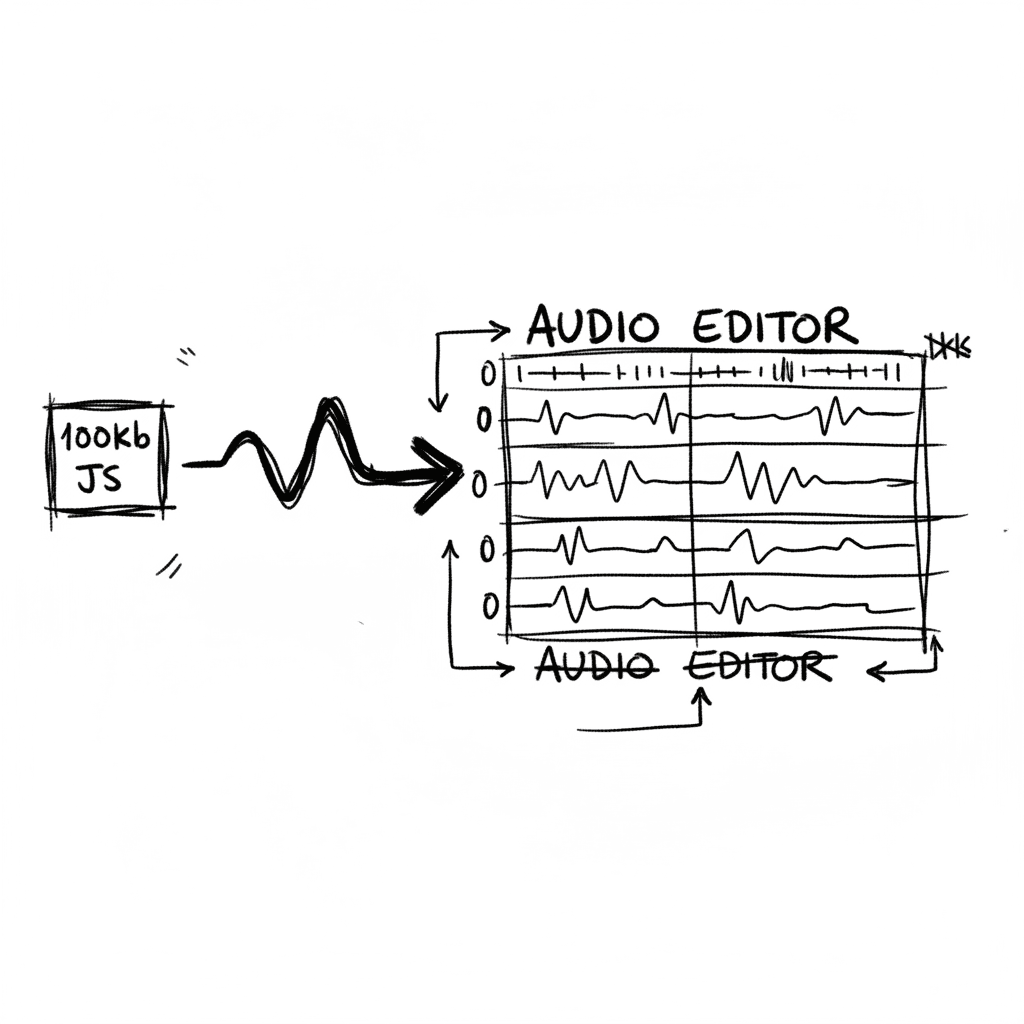
Audiomass: Multitrack Audio Editing via 100kb of Vanilla JavaScript
Audiomass is a browser-based, multitrack audio editor that operates entirely client-side with a remarkably small 100kb footprint (audiomass.co). It provides a workflow reminiscent of classic editors l
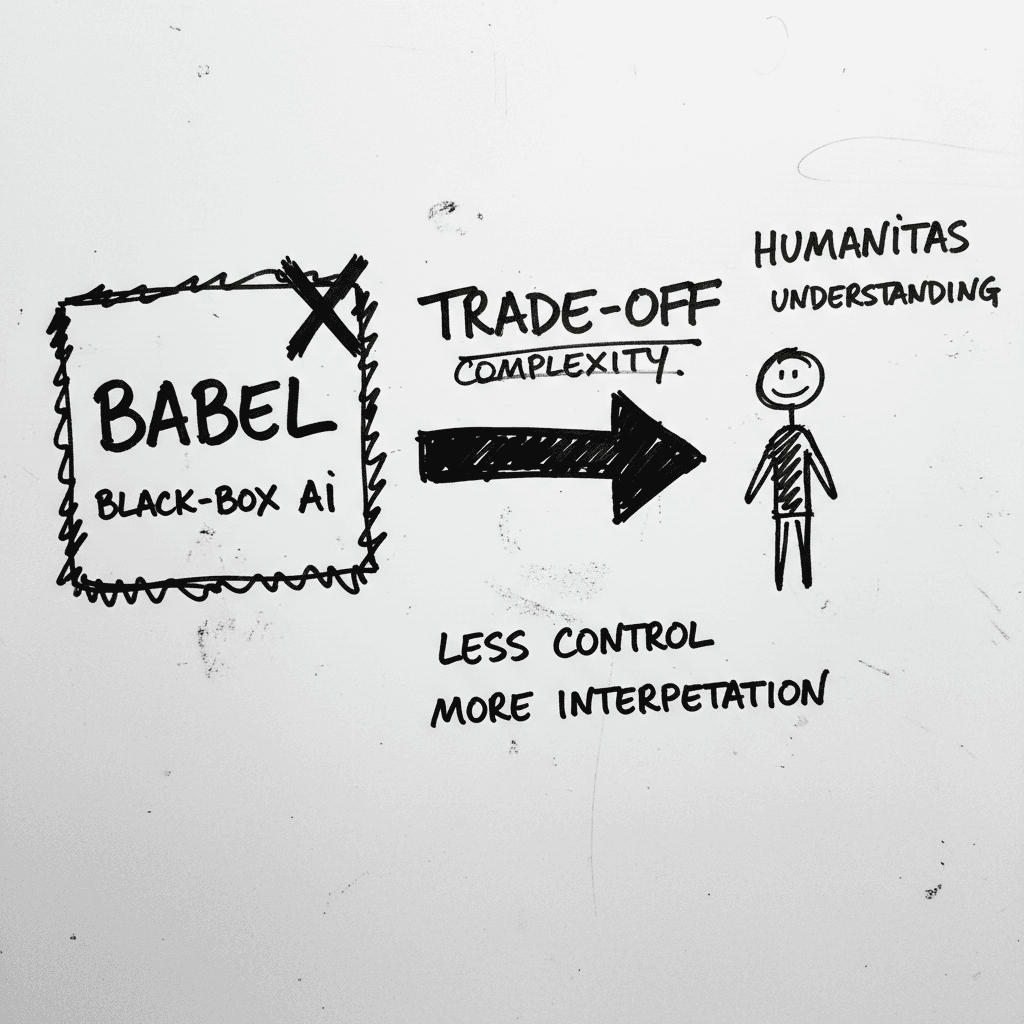
Magnifica Humanitas: The Vatican’s Framework for the GPT-5 Era
The document, signed May 15 and officially released today, was presented at the Vatican alongside Christopher Olah, co-founder of Anthropic and lead of its interpretability team (ncronline.org, Forbes
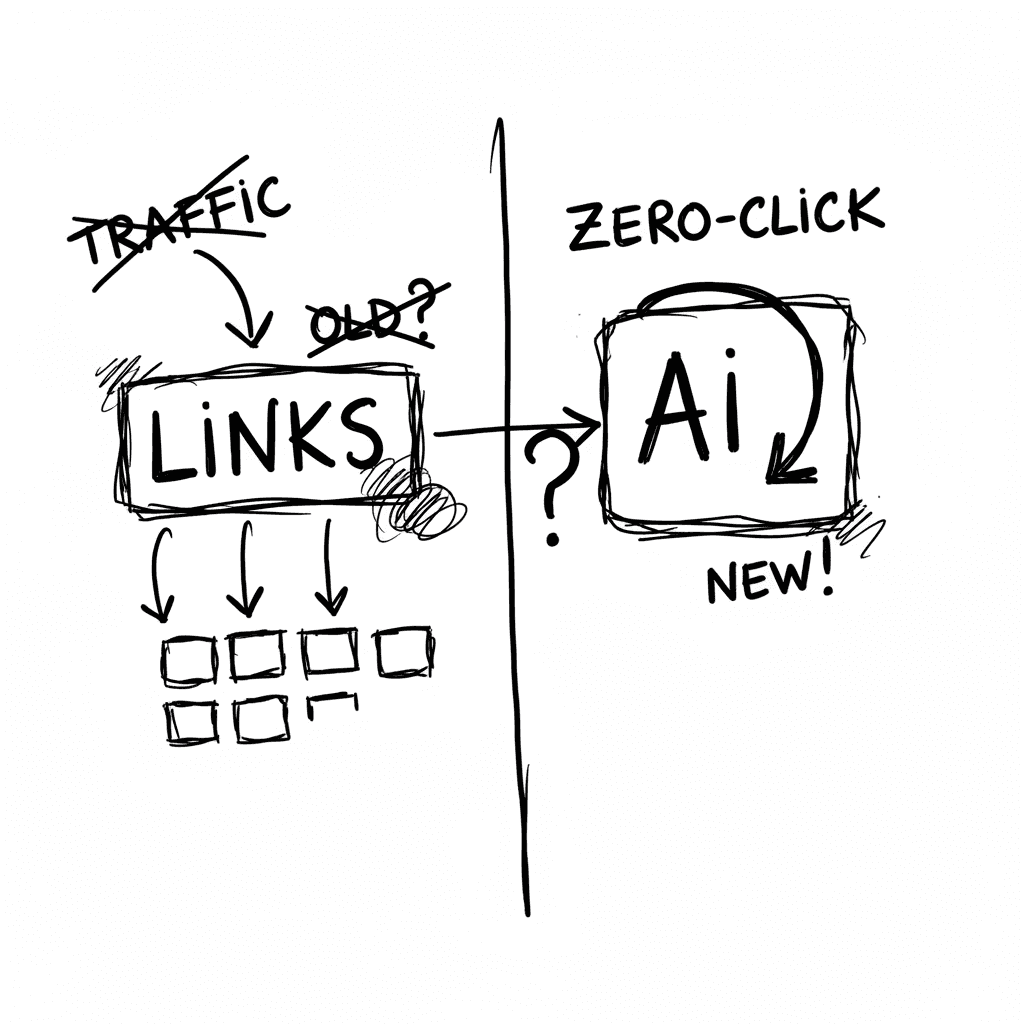
The Zero-Click Economy: Kagi Search vs. Google AI Mode
Google has effectively pivoted to an "answer engine" where Gemini 3.5 Flash provides conversational summaries, while Kagi remains the primary refuge for users seeking a human-centric, ad-free index. W
Stay Ahead of AI Adoption Trends
Get our latest reports and insights delivered to your inbox. No spam, just data.