
The Security Regression of Modern Windows Notepad
Microsoft has transitioned the Store-based Notepad from a basic system utility to a "reimagined" productivity tool featuring Markdown support and AI-assisted editing (Source: Microsoft Store). This sh

The Pitch
Microsoft has transitioned the Store-based Notepad from a basic system utility to a "reimagined" productivity tool featuring Markdown support and AI-assisted editing (Source: Microsoft Store). This shift from a simple text editor to a rich application has fundamentally compromised its decades-old security profile. Hacker News is currently dissecting how a tool meant for "dumb" text now handles complex command execution.
Under the Hood
The central technical fact is CVE-2026-20841, a high-severity Remote Code Execution (RCE) vulnerability with a CVSS score of 8.8 (Source: CVE.org, Feb 2026). This flaw is a direct result of improper command injection (CWE-77) within the Markdown link handling logic of build 11.2510 and later (Source: CybersecurityNews.com).
Exploitation occurs when a user clicks a malicious link inside a Markdown (.md) file, which triggers unverified protocols to fetch and run remote payloads (Source: Talos Intelligence). This effectively allows an attacker to execute arbitrary commands with the privileges of the logged-in user. While the modern UWP/Store version is compromised, the legacy Win32 Notepad.exe remains unaffected (Source: Hacker News).
The integration of these rich-text features has created a massive and unnecessary attack surface in a utility users historically perceived as "safe" (UsedBy Dossier). We don't know yet if Microsoft will implement a "Restricted Mode" to disable link-handling in system utilities. Furthermore, it is currently unclear if the AI-integration (Copilot/Recall) in the 2026 Windows builds interacts directly with this vulnerable Markdown parser.
Marcus's Take
Notepad’s only utility was its predictability; it was the one place you could paste a string without worrying about the underlying parser losing its mind. By grafting a Markdown engine onto a system binary, Microsoft has turned a low-risk tool into a high-value phishing vector. It is a classic case of feature bloat masquerading as progress. Delete the Store version, revert to the legacy binary, and keep your Markdown work inside a proper, sandboxed environment like VS Code.
Ship clean code,
Marcus.
Marcus Webb - Senior Backend Analyst at UsedBy.ai
Related Articles
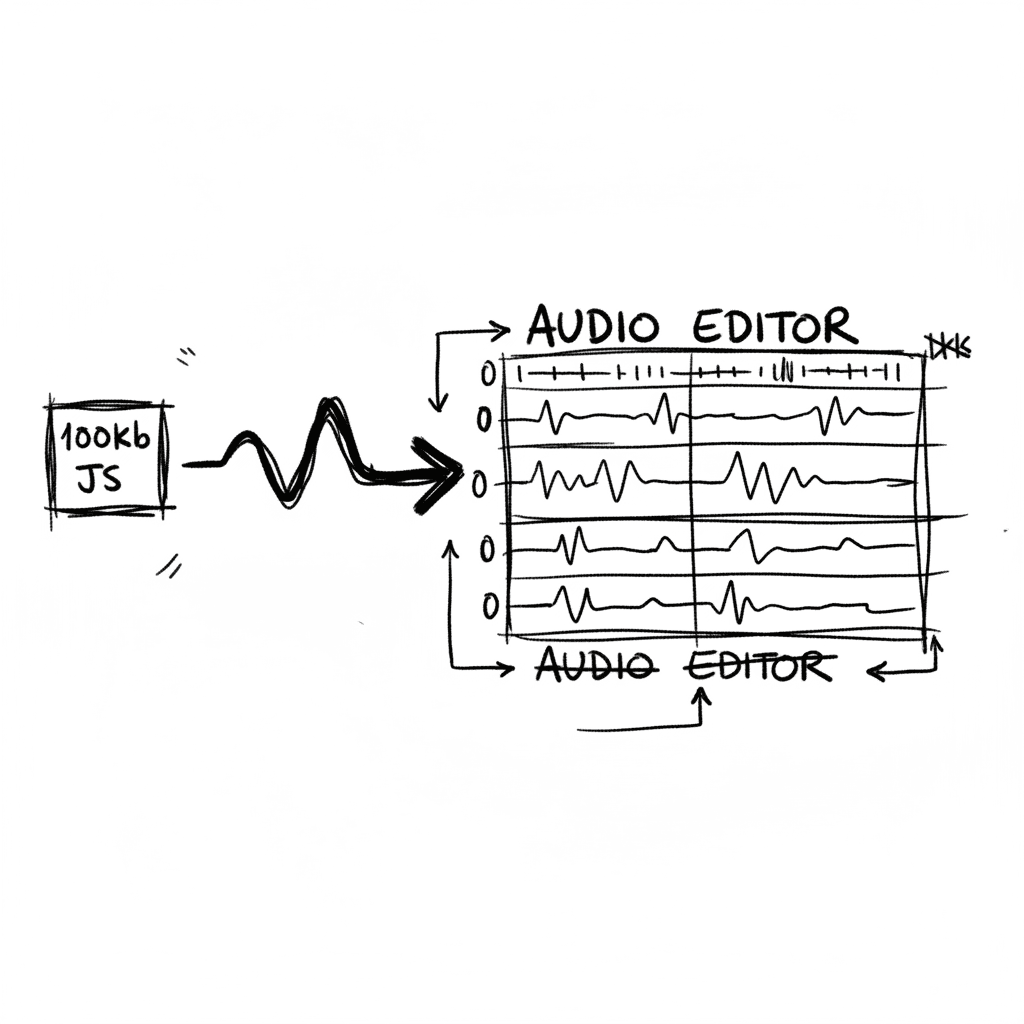
Audiomass: Multitrack Audio Editing via 100kb of Vanilla JavaScript
Audiomass is a browser-based, multitrack audio editor that operates entirely client-side with a remarkably small 100kb footprint (audiomass.co). It provides a workflow reminiscent of classic editors l
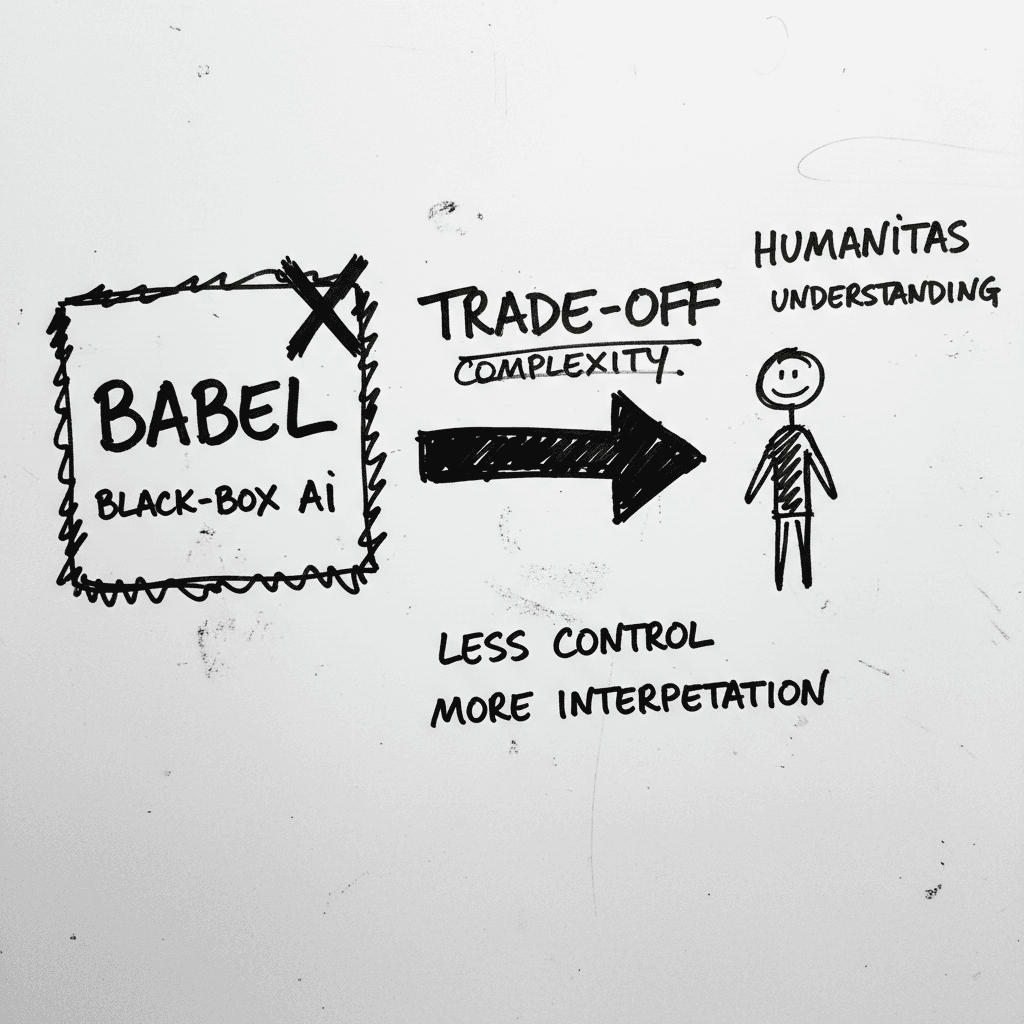
Magnifica Humanitas: The Vatican’s Framework for the GPT-5 Era
The document, signed May 15 and officially released today, was presented at the Vatican alongside Christopher Olah, co-founder of Anthropic and lead of its interpretability team (ncronline.org, Forbes
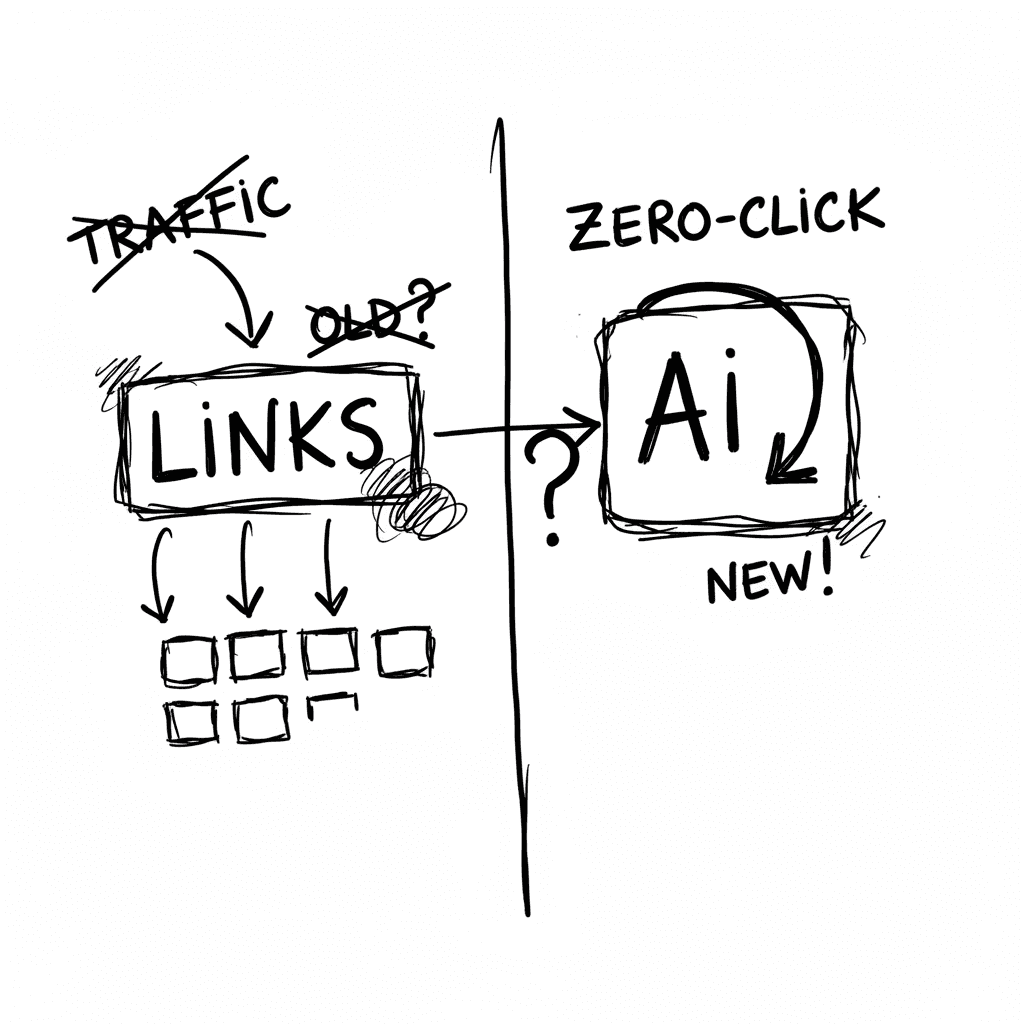
The Zero-Click Economy: Kagi Search vs. Google AI Mode
Google has effectively pivoted to an "answer engine" where Gemini 3.5 Flash provides conversational summaries, while Kagi remains the primary refuge for users seeking a human-centric, ad-free index. W
Stay Ahead of AI Adoption Trends
Get our latest reports and insights delivered to your inbox. No spam, just data.