
The Technical Reality of Async Rust 2024 and Tokio 2.0
Rust 1.85.0 stabilized the 2024 Edition in February 2025, finally bringing native async closures and AsyncFn traits to the stable channel (Source: Rust Foundation Blog). This release, coupled with the

The Pitch
Rust 1.85.0 stabilized the 2024 Edition in February 2025, finally bringing native async closures and AsyncFn traits to the stable channel (Source: Rust Foundation Blog). This release, coupled with the March 2026 launch of Tokio 2.0, attempts to standardise asynchronous patterns that previously required significant boilerplate or third-party macros.
Under the Hood
The stabilization of the 2024 Edition resolved the most glaring ergonomic gaps in the language. Developers can now use async || {} closures and define traits with async methods natively, removing the dependency on the async-trait crate for most use cases (Source: Rust Foundation Blog). This maturity led the Linux Kernel maintainers to declare Rust "no longer experimental" in December 2025, citing the stability of the async implementation as a primary factor (Source: DevNewsletter.com).
On the runtime side, Tokio 2.0 has solidified its position as the industry standard, claiming 10M+ RPS throughput and a 40% reduction in timer overhead (Source: Tokio.rs). However, the compiler's handling of these abstractions remains inefficient. Reports indicate that simple async functions generate hundreds of lines of Mid-level Intermediate Representation (MIR), leading to bloated binaries and high memory usage (Source: Tweede Golf). This is a significant bottleneck for engineers working on embedded systems or high-density microservices.
We also face a continued lack of interoperability. While Tokio 2.0 is the dominant force, the ability to switch between runtimes like smol or embassy without a total rewrite is still a secondary goal scheduled for 2027 (Source: Rust Project Goals 2026 RFC). Furthermore, the ergonomic improvements haven't removed the underlying complexity of the borrow checker. Senior devs still spend an inordinate amount of time debugging Pin and Send/Sync errors when moving beyond basic request-response patterns (UsedBy Dossier).
There are still significant gaps in our data regarding performance and edge cases. We don't know the exact stabilization date for Return Type Notation (RTN), which is necessary to solve remaining async-trait limitations (UsedBy Dossier). Additionally, the claimed 18% throughput advantage of Tokio 2.0 over Actix-web lacks independent verification in varied production workloads (UsedBy Dossier). The MIR output for a simple async task is currently long enough to make a 1970s mainframe operator sweat.
Marcus's Take
Async Rust has finally moved from "experimental" to "enterprise-ready," but it remains a sharp tool that requires a skilled hand. The 2024 Edition fixed the syntax, but it didn't lower the cognitive floor; your team still needs a deep understanding of memory safety and pinning to avoid 3am production incidents. Use it for your core high-concurrency services where Tokio 2.0’s performance justifies the overhead, but do not migrate simpler CRUD apps where the binary bloat and compile times will outweigh any runtime gains.
Ship clean code,
Marcus.
Marcus Webb - Senior Backend Analyst at UsedBy.ai
Related Articles
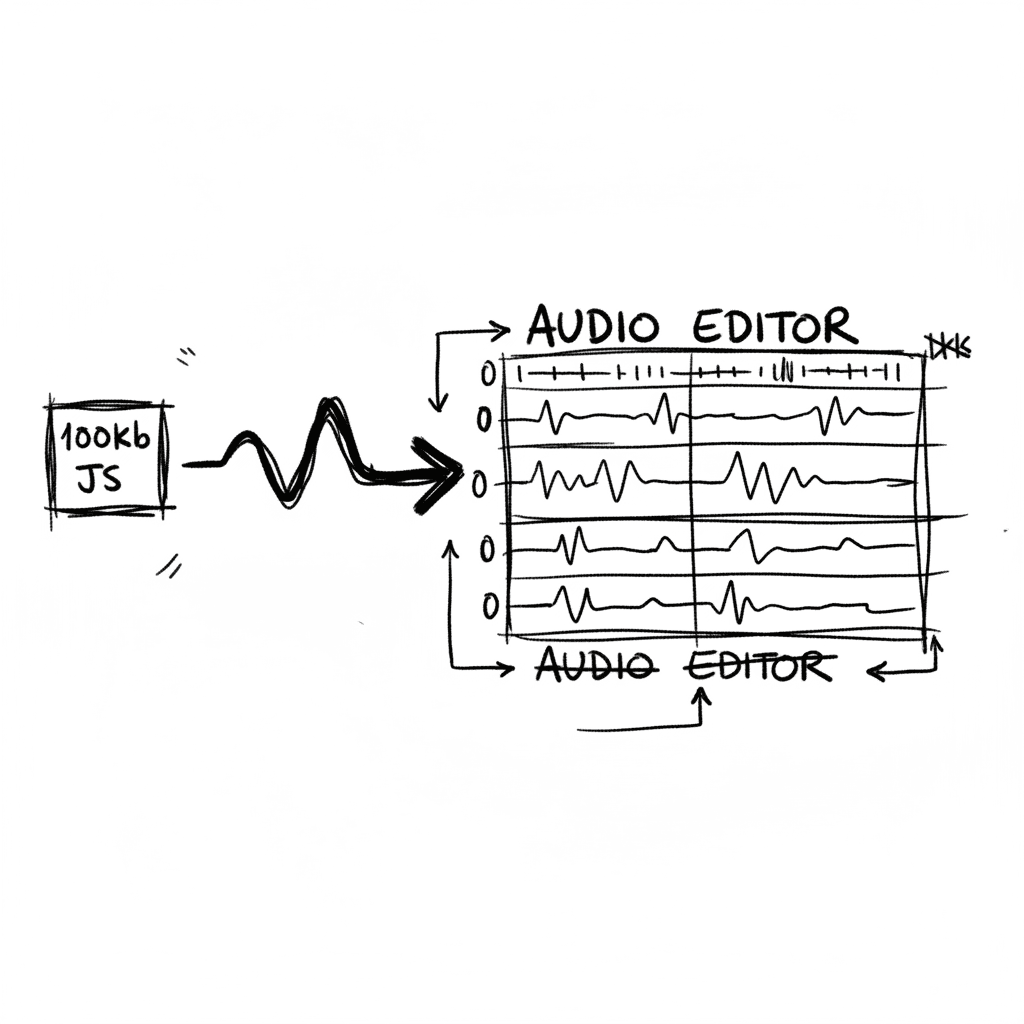
Audiomass: Multitrack Audio Editing via 100kb of Vanilla JavaScript
Audiomass is a browser-based, multitrack audio editor that operates entirely client-side with a remarkably small 100kb footprint (audiomass.co). It provides a workflow reminiscent of classic editors l
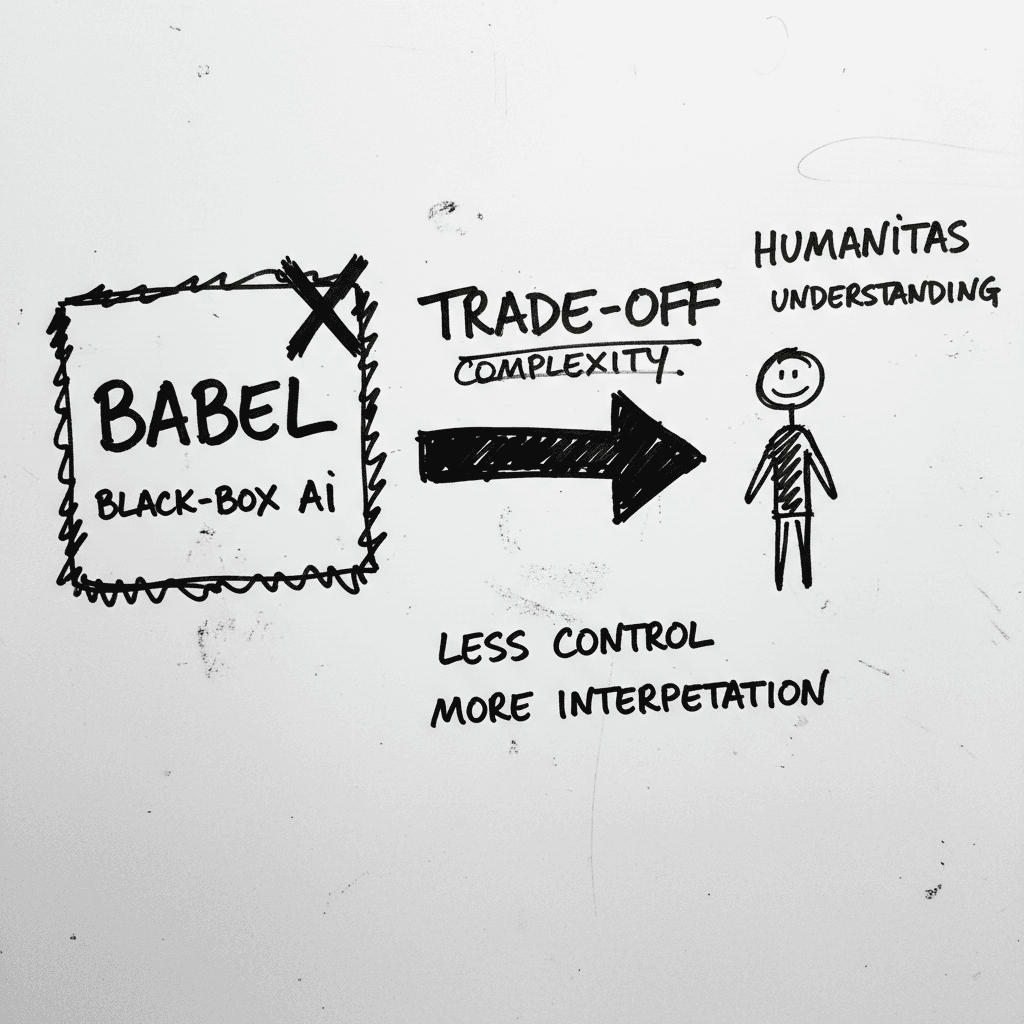
Magnifica Humanitas: The Vatican’s Framework for the GPT-5 Era
The document, signed May 15 and officially released today, was presented at the Vatican alongside Christopher Olah, co-founder of Anthropic and lead of its interpretability team (ncronline.org, Forbes
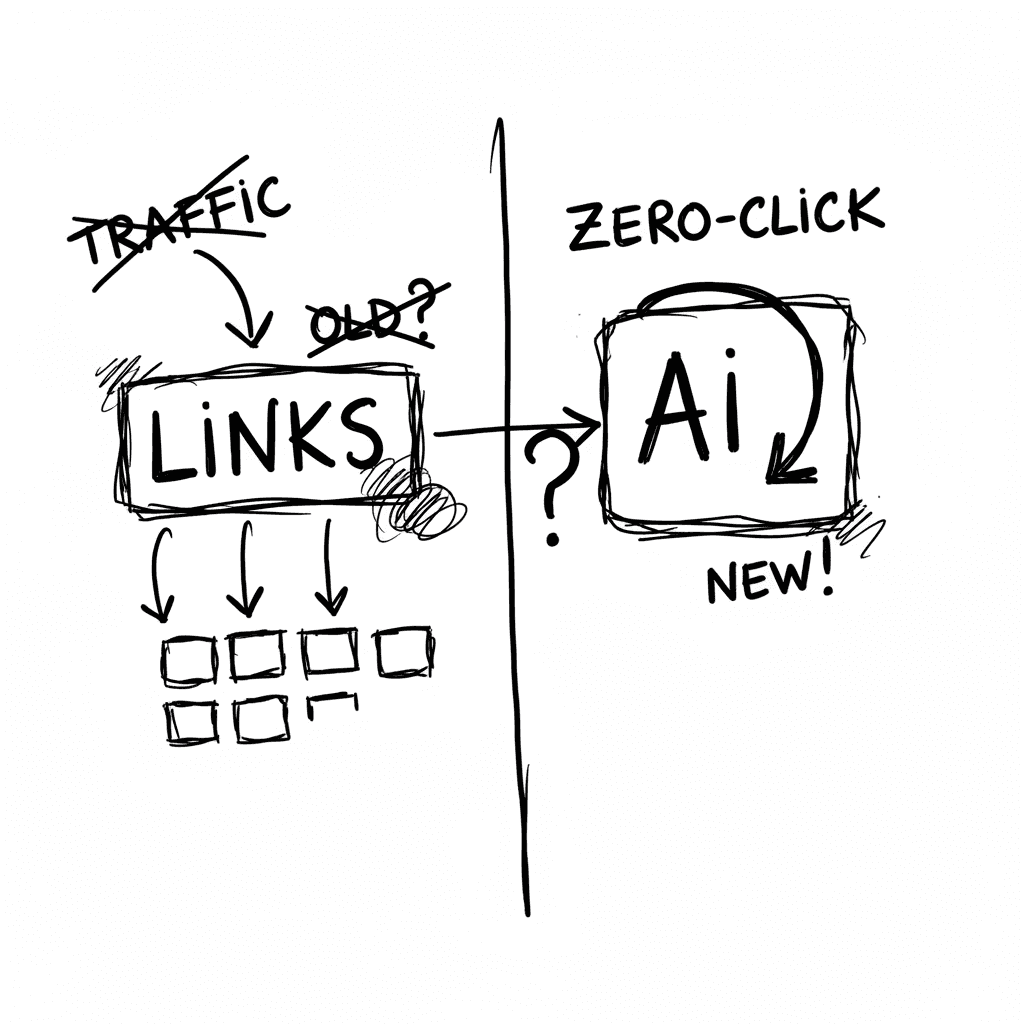
The Zero-Click Economy: Kagi Search vs. Google AI Mode
Google has effectively pivoted to an "answer engine" where Gemini 3.5 Flash provides conversational summaries, while Kagi remains the primary refuge for users seeking a human-centric, ad-free index. W
Stay Ahead of AI Adoption Trends
Get our latest reports and insights delivered to your inbox. No spam, just data.