
Vouch: Filtering GPT-5 Noise via Transitive Trust Graphs
Mitchell Hashimoto’s Vouch project implements a transitive trust graph to filter the current explosion of low-quality, AI-generated pull requests and communications (GitHub). It aims to reclaim mainta

The Pitch
Mitchell Hashimoto’s Vouch project implements a transitive trust graph to filter the current explosion of low-quality, AI-generated pull requests and communications (GitHub). It aims to reclaim maintainer time by prioritising human-verified signals over the frictionless output of models like GPT-5 (UsedBy Dossier). This is a direct response to the 2025-2026 crisis of 'frictionless low-quality communication' that has made standard GitHub notifications essentially unusable for popular projects (HN).
Under the Hood
Vouch operates on the principle that identity is the only remaining firewall against the infinite scaling of LLM-driven noise. The tool builds a web of trust where a developer’s reputation is derived from the established maintainers who vouch for them, creating a social filter for the inbox. By leveraging these existing social networks, maintainers can theoretically ignore any communication that does not originate from a "trusted" or "vouched" node (UsedBy Dossier).
However, the technical implementation introduces several significant vectors for concern:
* Supply Chain Vulnerability: Attackers can farm reputation by contributing to minor projects to eventually exploit high-value targets (HN).
* Barrier to Entry: Subject Matter Experts without existing network ties are effectively locked out of contributing (HN).
* Reputation Weaponization: Vouching and denouncing systems can be manipulated if the 'risk' to the voucher is not high enough (HN).
* Echo Chamber Effect: The system risks creating a closed loop of elite contributors, stifling external innovation (UsedBy Dossier).
There are significant gaps in the current documentation regarding ecosystem compatibility. We don't know yet what the specific integration paths are for major forges like GitLab or Bitbucket (UsedBy Dossier). Furthermore, we lack quantitative data on the actual efficiency of the filter; specifically, the ratio of 'AI slop' blocked versus legitimate, high-quality PRs from new contributors (UsedBy Dossier).
Marcus's Take
Vouch is a pragmatic, if cynical, response to the death of the open-submission model caused by the ubiquity of GPT-5. While it risks turning open-source development into a private club for the established elite, the alternative is the complete collapse of maintainer sanity under a deluge of automated garbage. GPT-5 has made being a maintainer roughly as enjoyable as a root canal without the benefit of anaesthetic. Implement Vouch as a secondary signal to prioritise your review queue, but do not use it as a binary gatekeeper until we have better data on false positives.
Ship clean code,
Marcus.
Marcus Webb - Senior Backend Analyst at UsedBy.ai
Related Articles
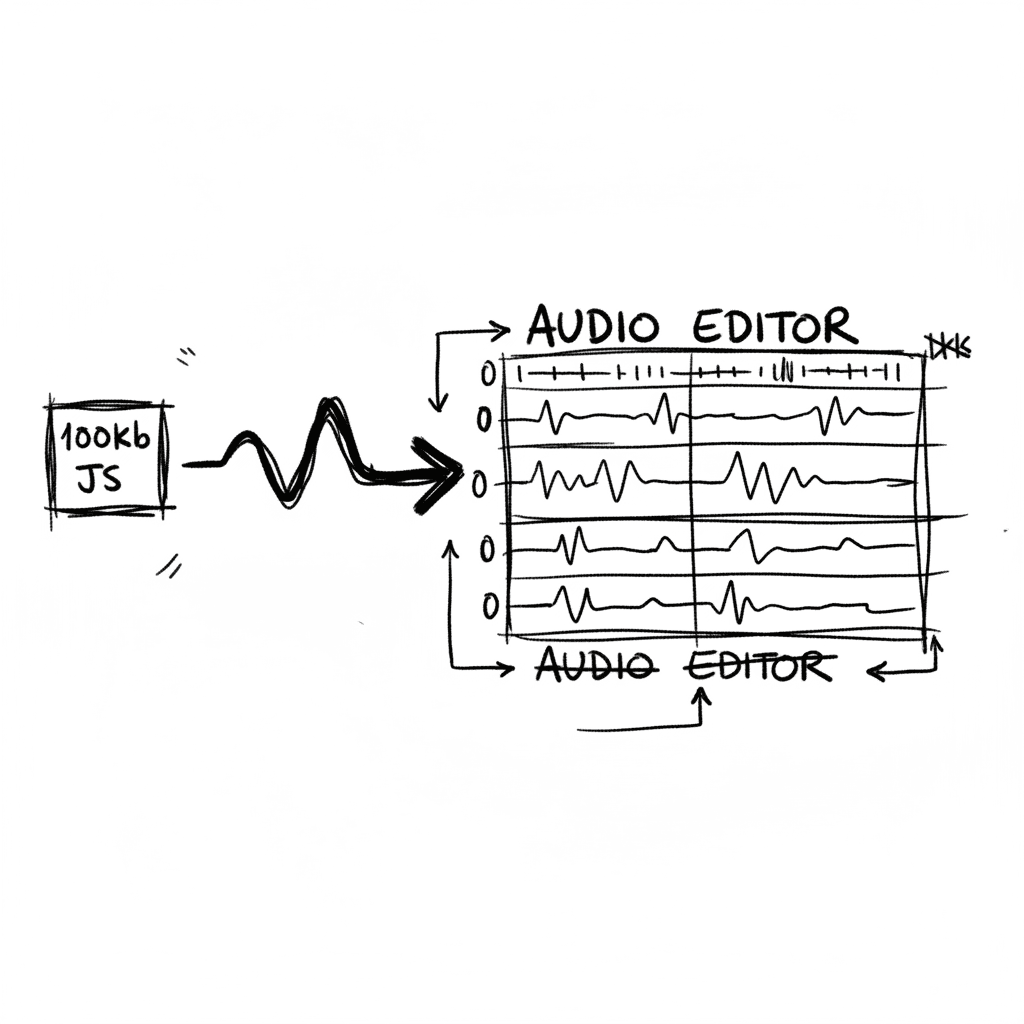
Audiomass: Multitrack Audio Editing via 100kb of Vanilla JavaScript
Audiomass is a browser-based, multitrack audio editor that operates entirely client-side with a remarkably small 100kb footprint (audiomass.co). It provides a workflow reminiscent of classic editors l
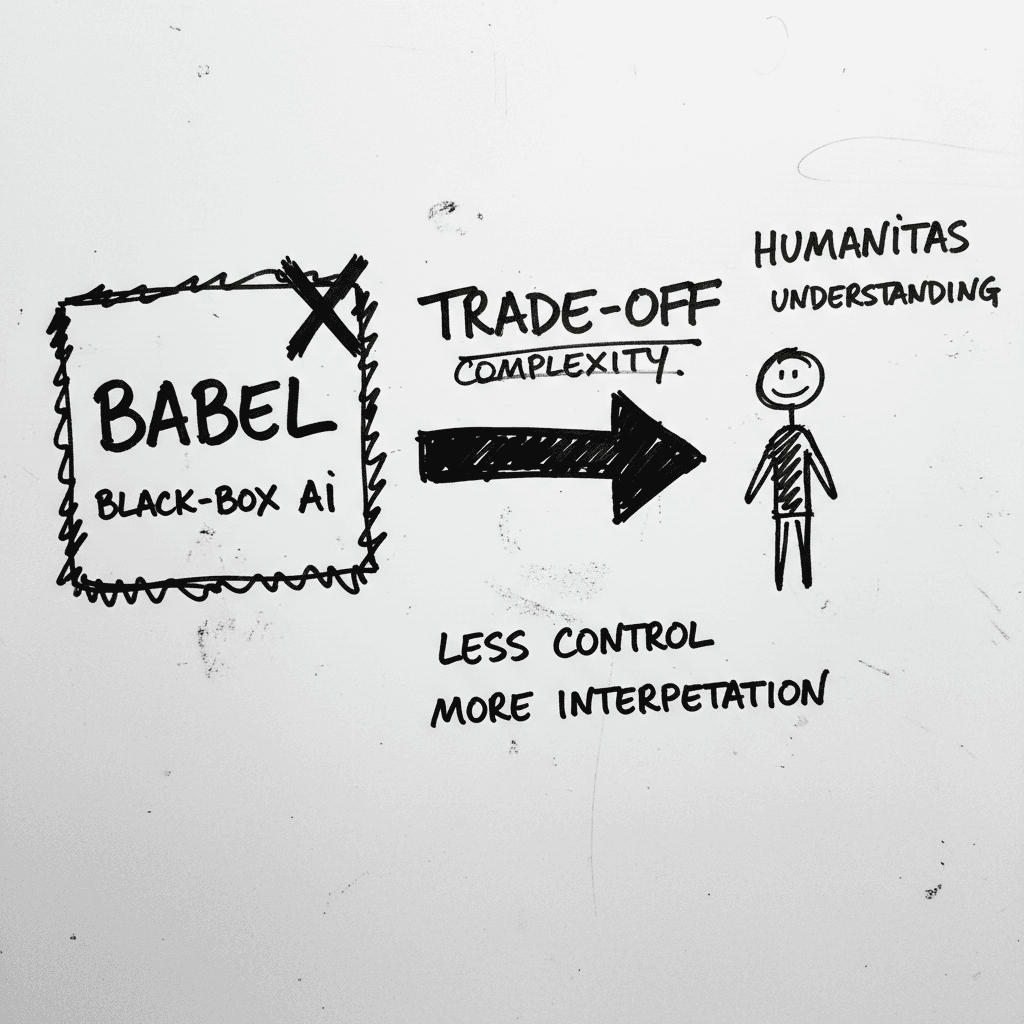
Magnifica Humanitas: The Vatican’s Framework for the GPT-5 Era
The document, signed May 15 and officially released today, was presented at the Vatican alongside Christopher Olah, co-founder of Anthropic and lead of its interpretability team (ncronline.org, Forbes
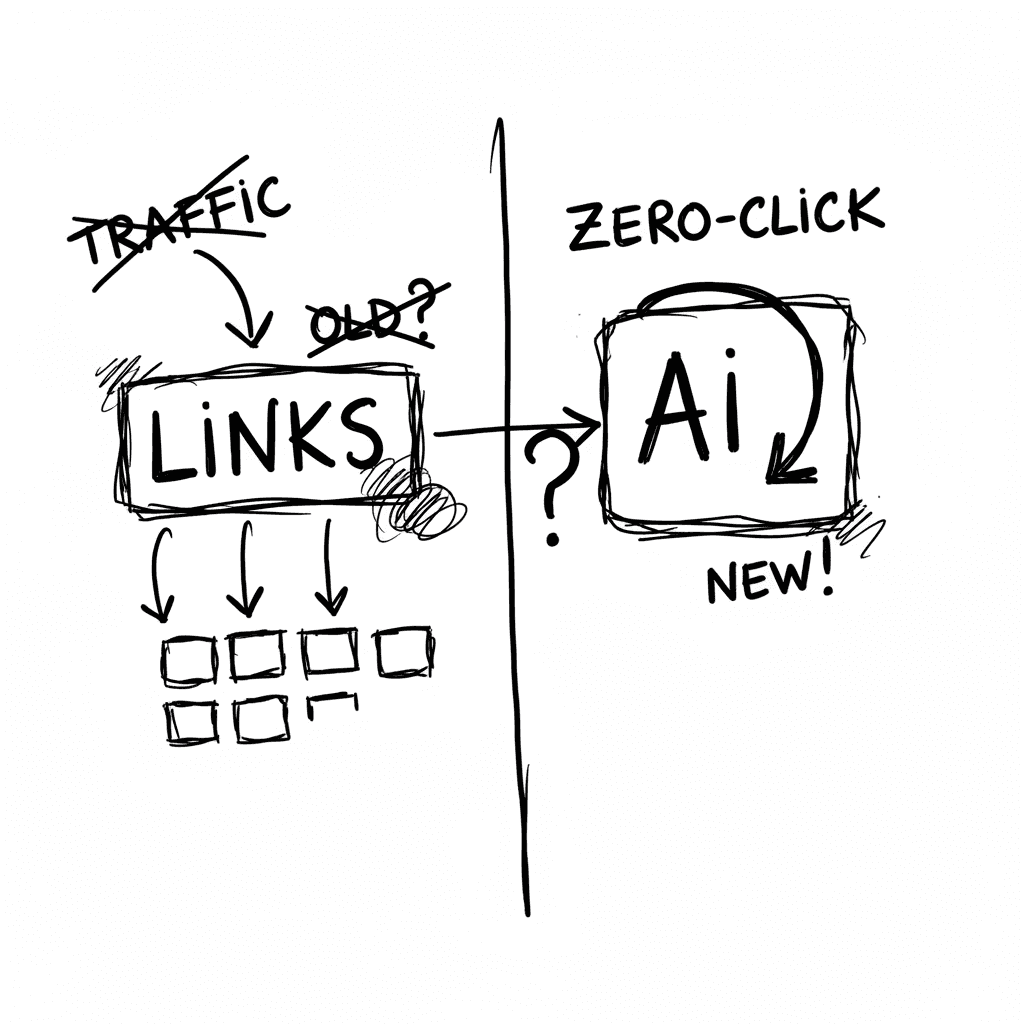
The Zero-Click Economy: Kagi Search vs. Google AI Mode
Google has effectively pivoted to an "answer engine" where Gemini 3.5 Flash provides conversational summaries, while Kagi remains the primary refuge for users seeking a human-centric, ad-free index. W
Stay Ahead of AI Adoption Trends
Get our latest reports and insights delivered to your inbox. No spam, just data.