
Analysis of the 500-Mile Email Bug and Low-Level Network Timeouts
This case study documents a mid-90s university system failure where the campus email server could not reach any recipient located beyond a 500-mile radius. While it reads like a networking urban legen

The Pitch
This case study documents a mid-90s university system failure where the campus email server could not reach any recipient located beyond a 500-mile radius. While it reads like a networking urban legend, it is a verified instance of configuration regression where software logic collided with the physical speed of light (Source: MIT Archive).
Under the Hood
The incident originated during a SunOS upgrade that corrupted the Sendmail configuration, specifically misinterpreting the timeout units (Source: Trey Harris). Instead of a standard wait time, the system implemented a 3-millisecond timeout for the initial SMTP handshake (Source: Technical Analysis).
Mathematically, light in fiber-optic cabling travels at approximately 200,000 km/s. A 500-mile (800km) journey requires a 1600km round trip for a packet and its acknowledgment, which takes roughly 8ms. By capping the timeout at 3ms, the server effectively geofenced its own outgoing traffic to a precisely defined geographic area (Source: Technical Analysis).
Modern backend engineers, currently focused on high-level orchestration with GPT-5 or Claude 4.5 Opus, often overlook these fundamental protocol constraints (Source: UsedBy Dossier). We have moved so far up the abstraction stack that a Sendmail unit error feels like a relic from a more primitive era, yet the underlying physics remain unchanged.
Several technical details remain unverified due to the passage of time. We don't know the exact SunOS patch version that introduced the regression, and the original server logs from the 1990s have not been preserved for public audit (Source: UsedBy Dossier).
The story frequently resurfaces on Hacker News, garnering over 1,000 points in 2023 alone, serving as a staple of Site Reliability Engineering culture (Source: HN Thread). Despite its age, it remains the definitive example of why unit testing and configuration validation are not optional, even for "standard" upgrades.
Marcus's Take
Treat this as mandatory reading for your SRE team, especially the juniors who think observability starts and ends with a CloudWatch dashboard. While we are currently debating the inference latency of Claude 4.5 Opus, this bug serves as a cold reminder that the speed of light is the only SLA that actually matters. It is easy to dismiss this as a "Vanilla Ice Cream" style legend, but the physics check out. If your system is behaving in a way that defies logic, stop checking your code and start checking your units.
Ship clean code,
Marcus.
Marcus Webb - Senior Backend Analyst at UsedBy.ai
Related Articles
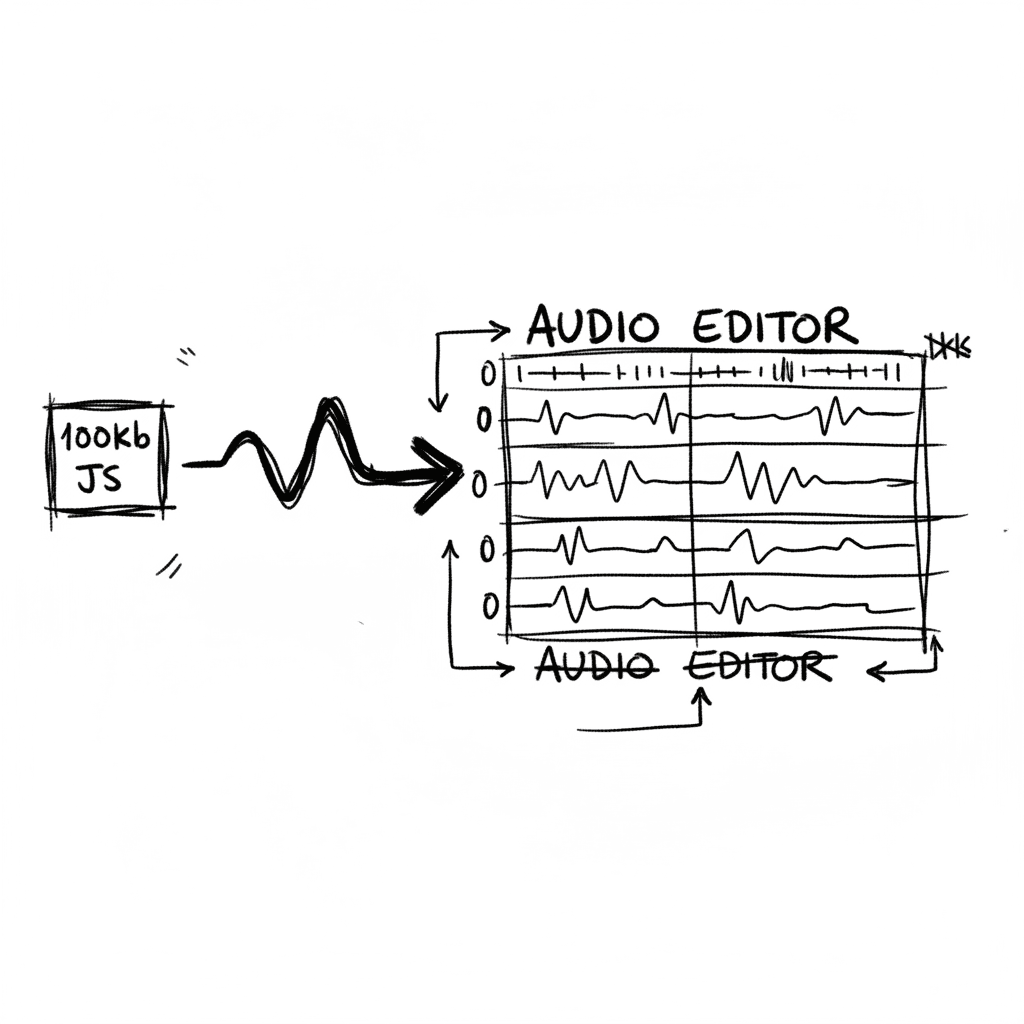
Audiomass: Multitrack Audio Editing via 100kb of Vanilla JavaScript
Audiomass is a browser-based, multitrack audio editor that operates entirely client-side with a remarkably small 100kb footprint (audiomass.co). It provides a workflow reminiscent of classic editors l
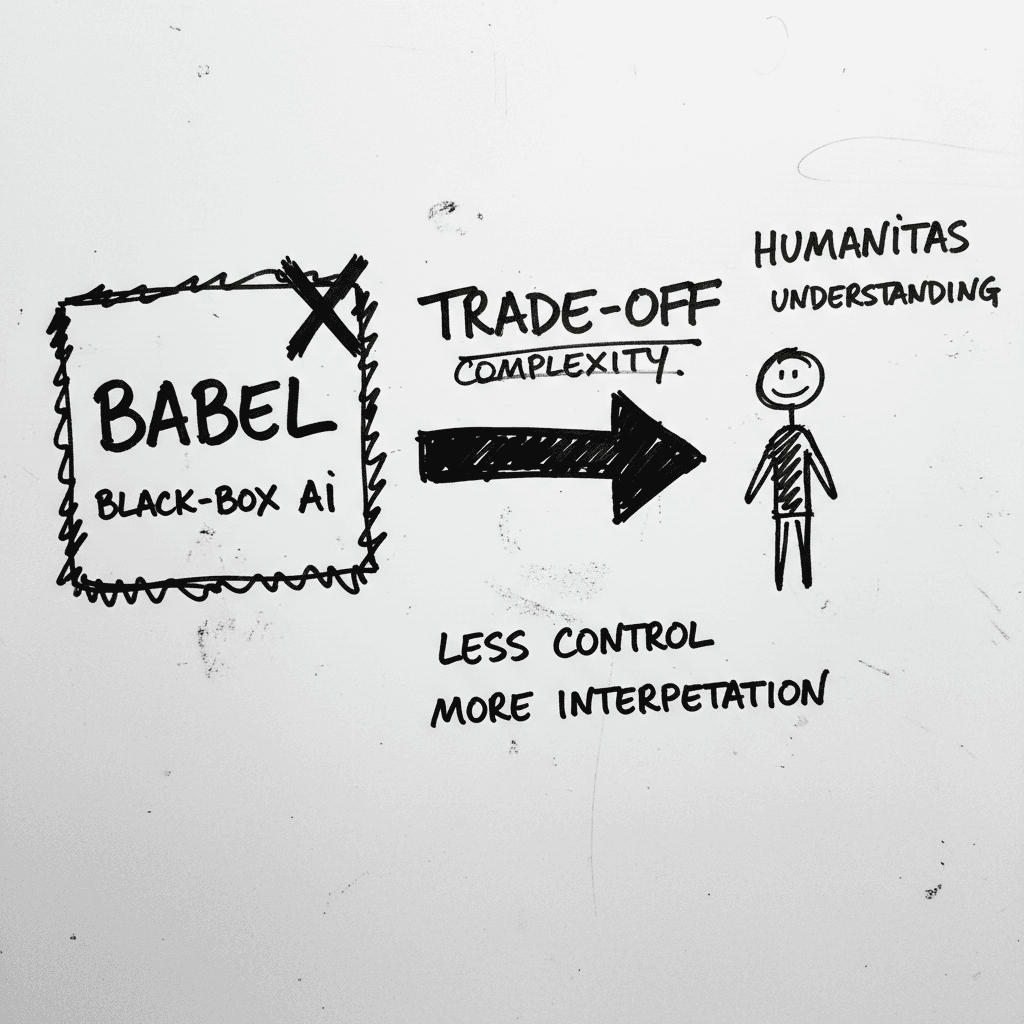
Magnifica Humanitas: The Vatican’s Framework for the GPT-5 Era
The document, signed May 15 and officially released today, was presented at the Vatican alongside Christopher Olah, co-founder of Anthropic and lead of its interpretability team (ncronline.org, Forbes
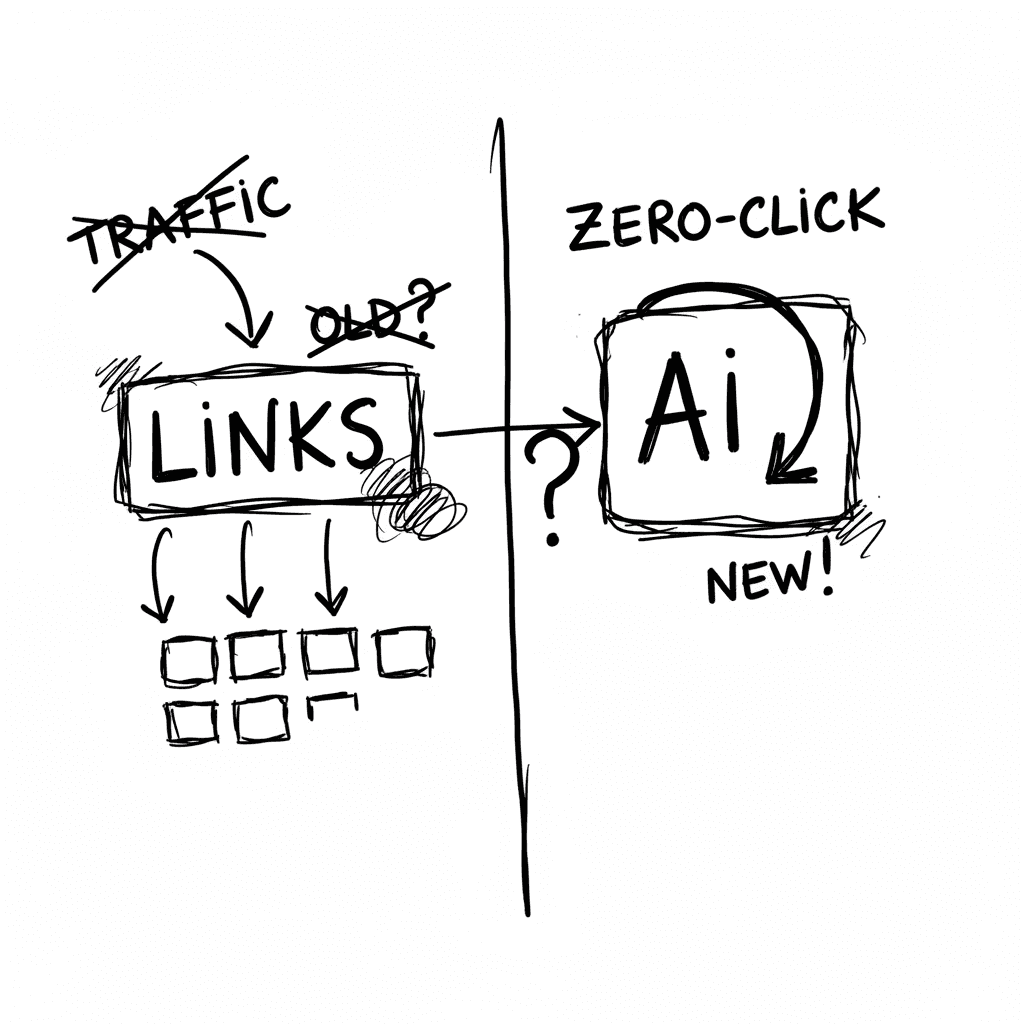
The Zero-Click Economy: Kagi Search vs. Google AI Mode
Google has effectively pivoted to an "answer engine" where Gemini 3.5 Flash provides conversational summaries, while Kagi remains the primary refuge for users seeking a human-centric, ad-free index. W
Stay Ahead of AI Adoption Trends
Get our latest reports and insights delivered to your inbox. No spam, just data.