
Claude Code Channels: Remote CLI Execution via MCP
Anthropic has released Claude Code v2.1.80, introducing "Channels" to allow remote interaction with the CLI agent via Telegram and Discord. By leveraging the Model Context Protocol (MCP), this update

The Pitch
Anthropic has released Claude Code v2.1.80, introducing "Channels" to allow remote interaction with the CLI agent via Telegram and Discord. By leveraging the Model Context Protocol (MCP), this update attempts to turn a local development environment into an asynchronous agent controllable from a mobile device (Source: VentureBeat).
Under the Hood
The release positions Claude 4.5 Opus as the primary engine for these channels, which currently leads the SWE-bench Verified benchmark at 80.9%, notably ahead of GPT-5.1 (Source: Vertu Benchmarks Jan 2026). While the integration supports official plugins for messaging platforms, the implementation relies on a two-way MCP bridge rather than a native architecture (Source: Official Documentation).
However, the backend execution is currently hindered by the lack of a native background daemon. To maintain a "Channel" connection, developers must keep an active terminal session running, leading early adopters to label the experience as "janky" (Source: Zeniteq). We don't know yet when an official daemon mode will be released to allow Claude to run permanently on a VPS without a hung session (Source: UsedBy Dossier).
The operational overhead is another significant friction point for lead devs. Claude 4.5 Opus tokens are currently 4.0x more expensive than GPT-5 equivalents, and high-usage teams report hitting rate limits even on $150/mo professional tiers (Source: Galaxy.ai Blog, Reddit). Furthermore, the security model is restrictive; it requires manual sender allowlisting and pairing codes, with no current option for organization-wide access (Source: Zeniteq).
Critically, this feature launch arrives during a maintenance crisis for the Claude Code repository. There are currently over 6,400 open issues, with 3,600 labeled as bugs (Source: GitHub). Data suggests that approximately 49% of issues are being closed by automated bots without human review, raising concerns about the long-term stability of the toolset (Source: GitHub Gist).
Despite these technical hurdles, Claude remains a staple in the enterprise sector. See Claude profile to see how it is currently used by 247 verified professionals, with high concentration at Notion, DuckDuckGo, and Quora.
Marcus's Take
Avoid deploying Channels for anything beyond personal side-projects or emergency weekend patches. The lack of a native daemon makes it a fragile solution for serious remote workflows, and the 4x price premium over GPT-5 is difficult to justify when the repository is effectively being managed by a bot-led skeleton crew. Wait for a stable background service and a significant reduction in the bug backlog before letting this touch your production environment.
Ship clean code,
Marcus.
Marcus Webb - Senior Backend Analyst at UsedBy.ai
Related Articles
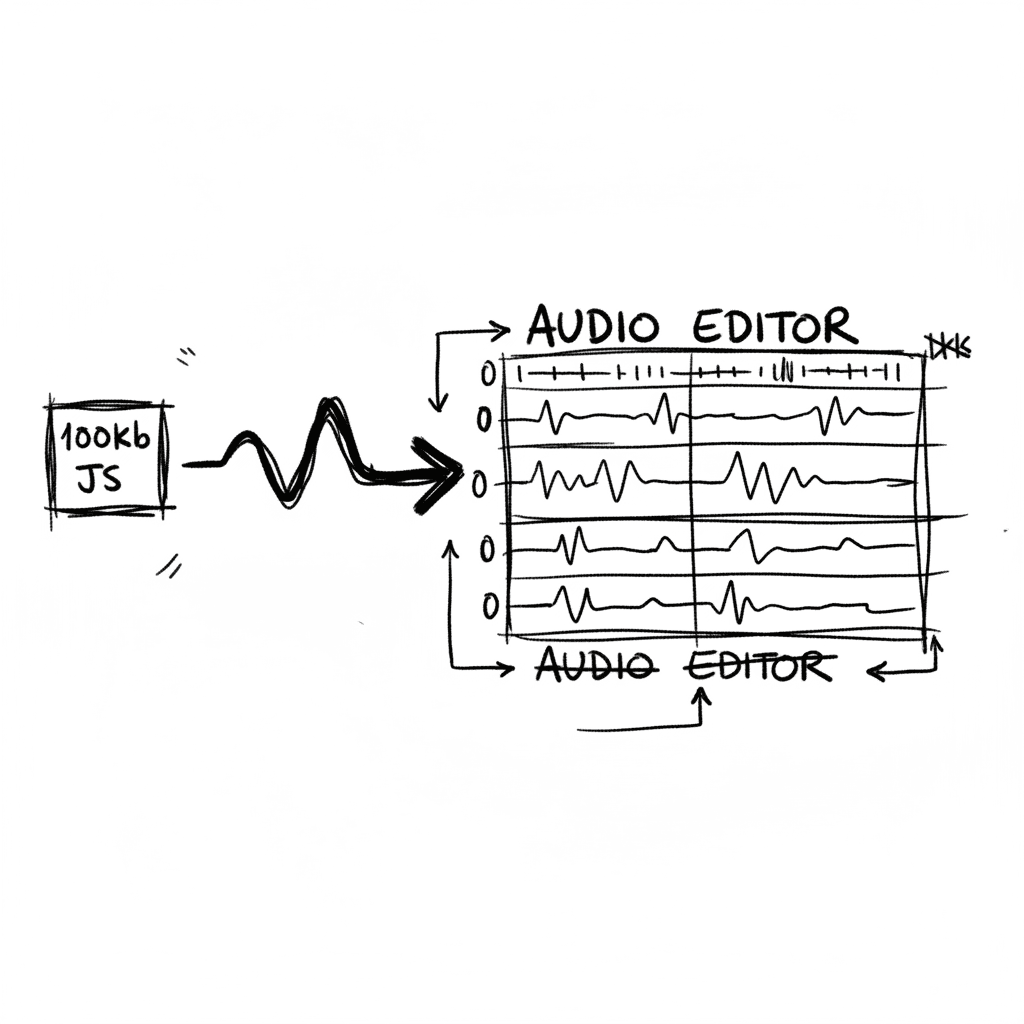
Audiomass: Multitrack Audio Editing via 100kb of Vanilla JavaScript
Audiomass is a browser-based, multitrack audio editor that operates entirely client-side with a remarkably small 100kb footprint (audiomass.co). It provides a workflow reminiscent of classic editors l
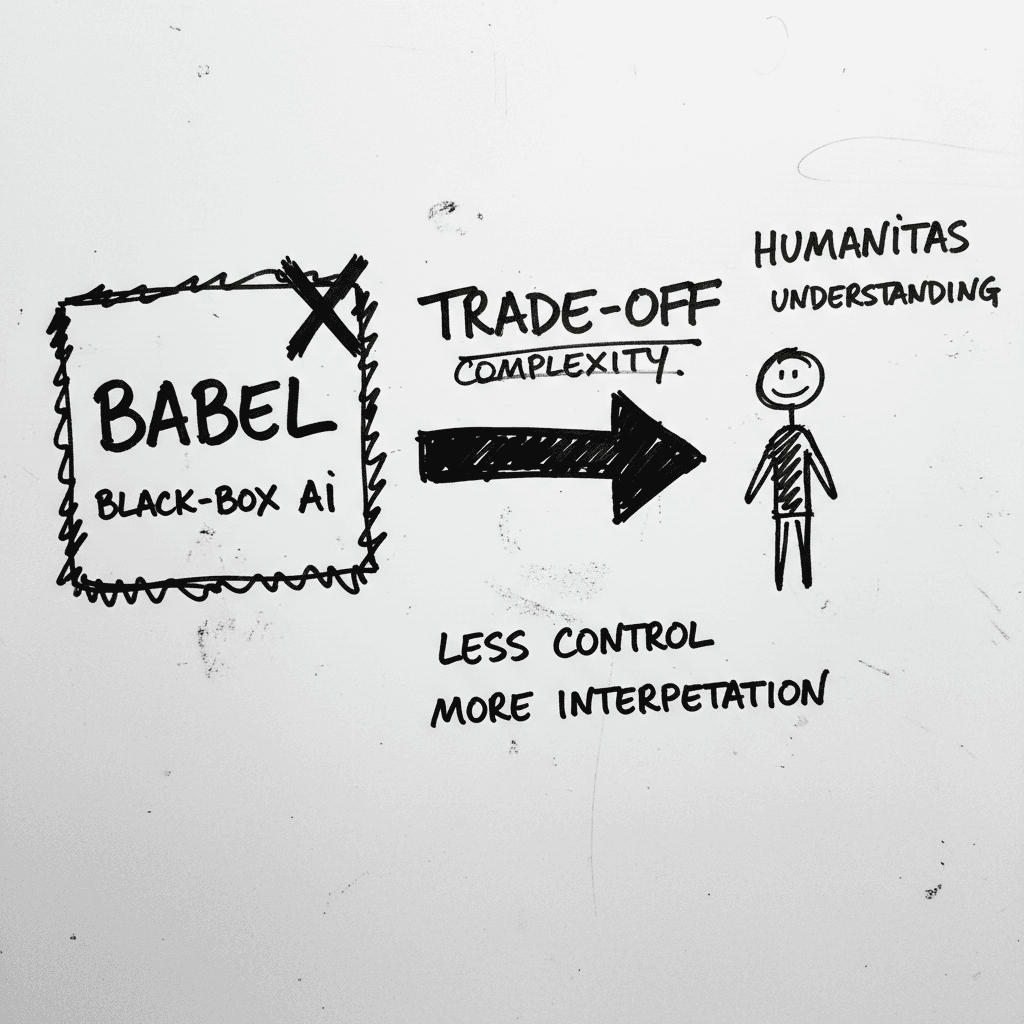
Magnifica Humanitas: The Vatican’s Framework for the GPT-5 Era
The document, signed May 15 and officially released today, was presented at the Vatican alongside Christopher Olah, co-founder of Anthropic and lead of its interpretability team (ncronline.org, Forbes
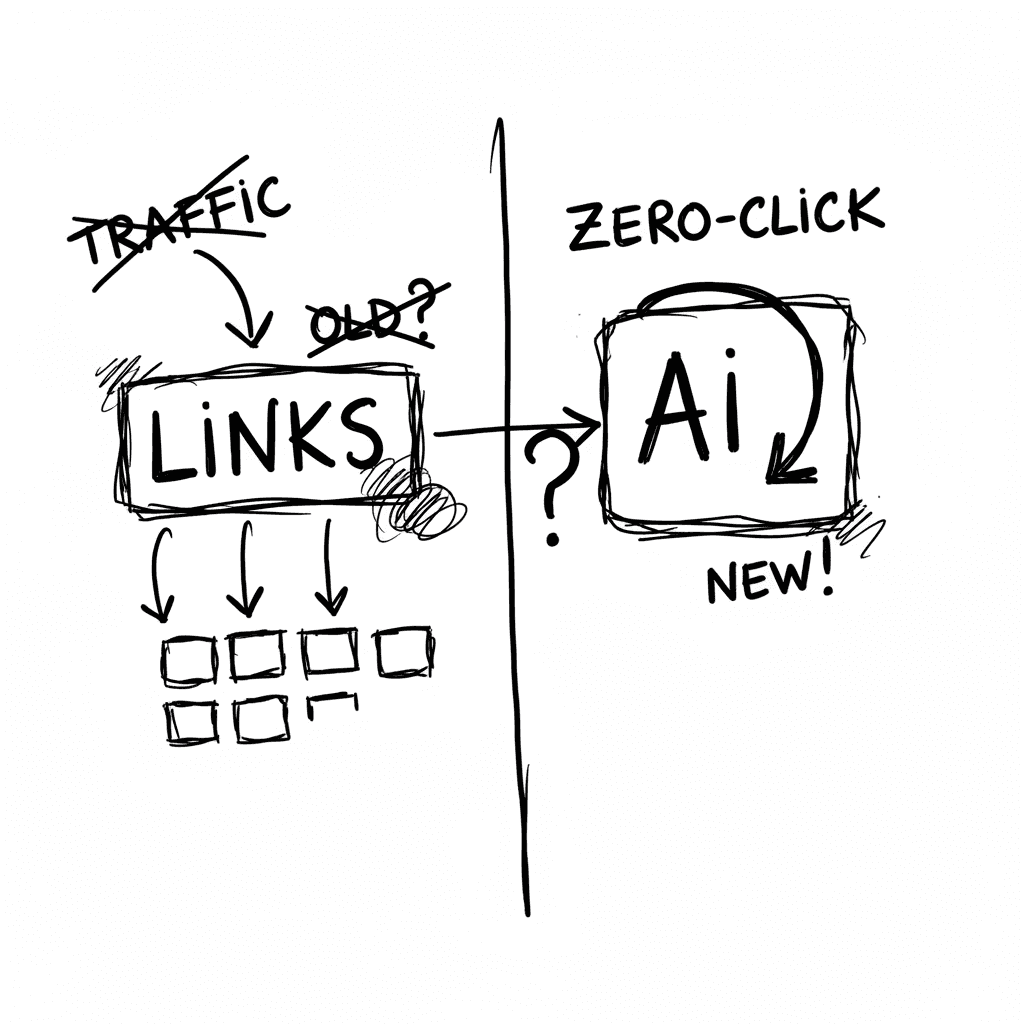
The Zero-Click Economy: Kagi Search vs. Google AI Mode
Google has effectively pivoted to an "answer engine" where Gemini 3.5 Flash provides conversational summaries, while Kagi remains the primary refuge for users seeking a human-centric, ad-free index. W
Stay Ahead of AI Adoption Trends
Get our latest reports and insights delivered to your inbox. No spam, just data.