
Claude Opus 4.7: Superior Coding Benchmarks Met With Stealth Token Inflation
Currently, 247 active users in our database, including those at Notion, DuckDuckGo, and Quora, rely on the Claude ecosystem. This latest update targets their most demanding backend and engineering req

The Pitch
Claude Opus 4.7 marks Anthropic’s attempt to consolidate its lead in agentic workflows, specifically targeting the 87.6% SWE-bench Verified threshold. It integrates a mandatory Adaptive Thinking mode and the new Glasswing safety architecture to justify its position at the top of the 2026 model stack. See Claude profile
Currently, 247 active users in our database, including those at Notion, DuckDuckGo, and Quora, rely on the Claude ecosystem. This latest update targets their most demanding backend and engineering requirements.
Under the Hood
The coding leap from 80.8% in Opus 4.6 to 87.6% is technically significant for complex PR resolutions (Anthropic Release Blog, April 16, 2026). Vision resolution has also been boosted to 2,576 pixels (~3.75MP), which finally makes dense architectural diagrams readable without manual cropping (Vellum AI).
Anthropic has introduced an 'xhigh' effort level to the API, allowing finer reasoning control between 'high' and 'max' settings (LLM Stats). However, the "Adaptive Thinking" mode is no longer optional, as manual token budgets are no longer accepted (Claude API Docs). This change appears to be a load-management tactic for the Mythos rollout, resulting in visible latency spikes and thinking pauses (HN Comment).
The most jarring finding is a stealth cost increase disguised as a technical update. A new tokenizer maps identical input text to between 1.0x and 1.35x more tokens. This effectively raises operational costs by up to 35% without a headline change to the $5/$25 rate (Reddit /r/ClaudeCode).
Project Glasswing, the new safety layer, is proving to be overly aggressive. Security researchers report refusal loops when performing legitimate, authorized bug bounty tasks, as the model struggles to differentiate between offensive and defensive cybersecurity intent (Hacker News).
Furthermore, synthesis performance has taken a hit, with BrowseComp (web research) scores falling 4.4 points below its predecessor (Vellum AI). We don't know yet the exact impact of the new tokenizer on high-volume SQL or non-English technical documentation.
Marcus's Take
Opus 4.7 is a specialized beast for agentic coding, but it is a regression for generalist web synthesis. If your pipeline relies on precise token budgeting or security testing, stick with 4.6 or evaluate GPT-5. The 35% "tokenizer tax" makes it a hard sell for anything other than high-value software engineering tasks where the 87.6% benchmark justifies the overhead. Use it for your autonomous CI/CD agents, but keep your RAG pipelines elsewhere to avoid the Glasswing refusal loops.
Ship clean code,
Marcus.
Marcus Webb - Senior Backend Analyst at UsedBy.ai
Related Articles
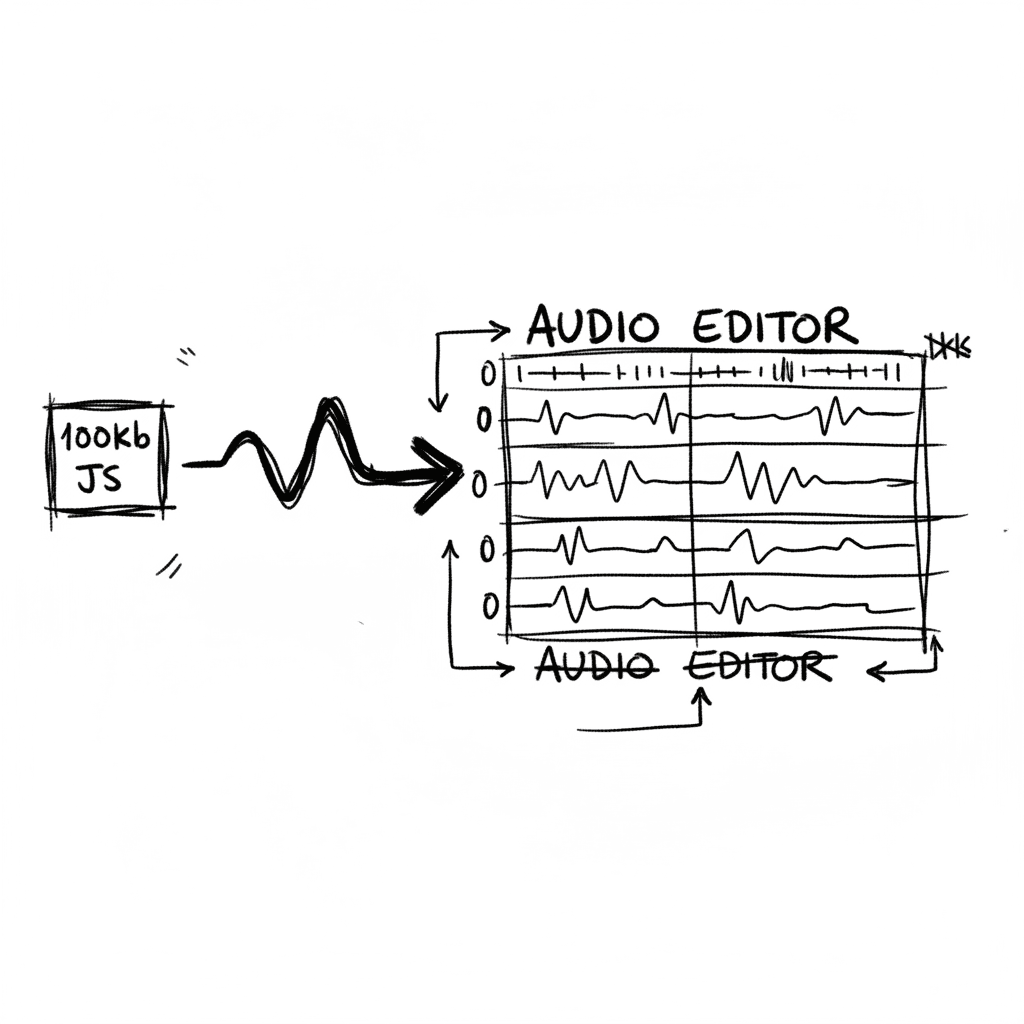
Audiomass: Multitrack Audio Editing via 100kb of Vanilla JavaScript
Audiomass is a browser-based, multitrack audio editor that operates entirely client-side with a remarkably small 100kb footprint (audiomass.co). It provides a workflow reminiscent of classic editors l
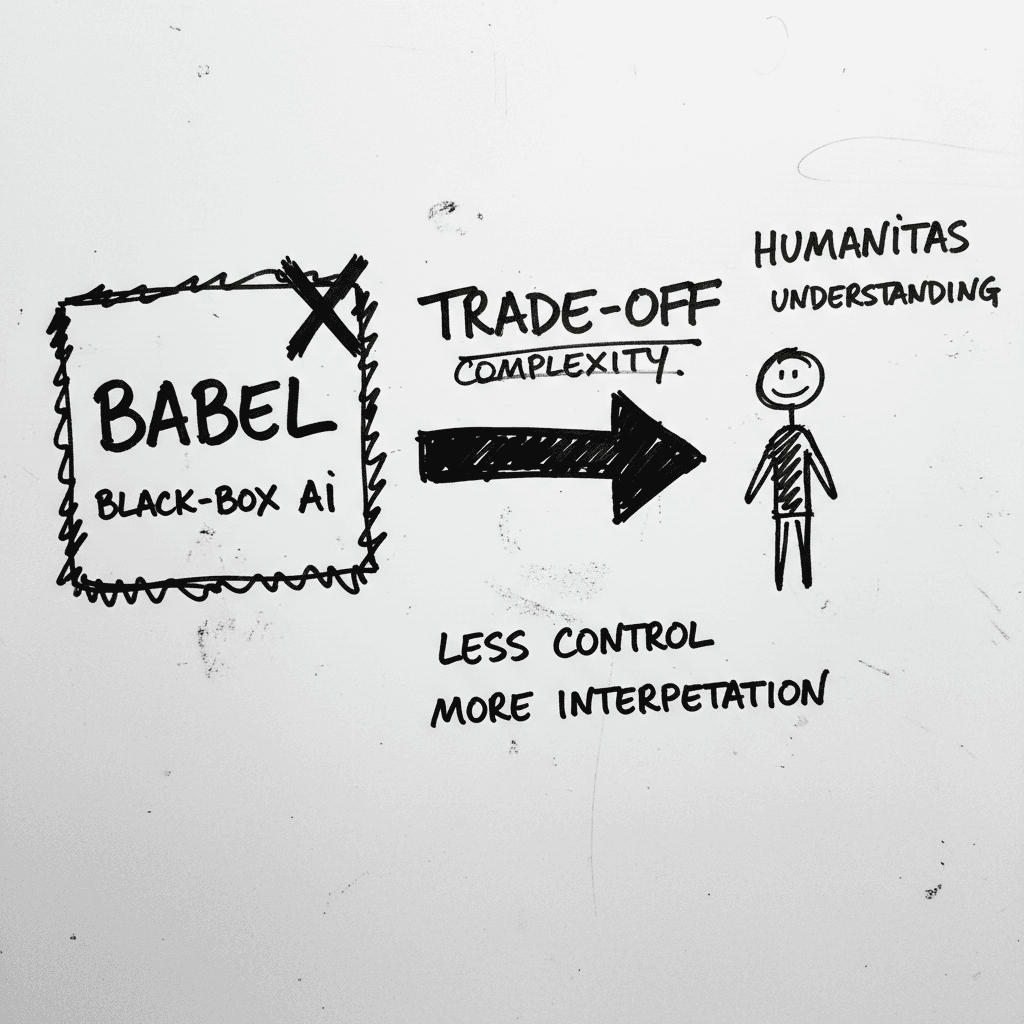
Magnifica Humanitas: The Vatican’s Framework for the GPT-5 Era
The document, signed May 15 and officially released today, was presented at the Vatican alongside Christopher Olah, co-founder of Anthropic and lead of its interpretability team (ncronline.org, Forbes
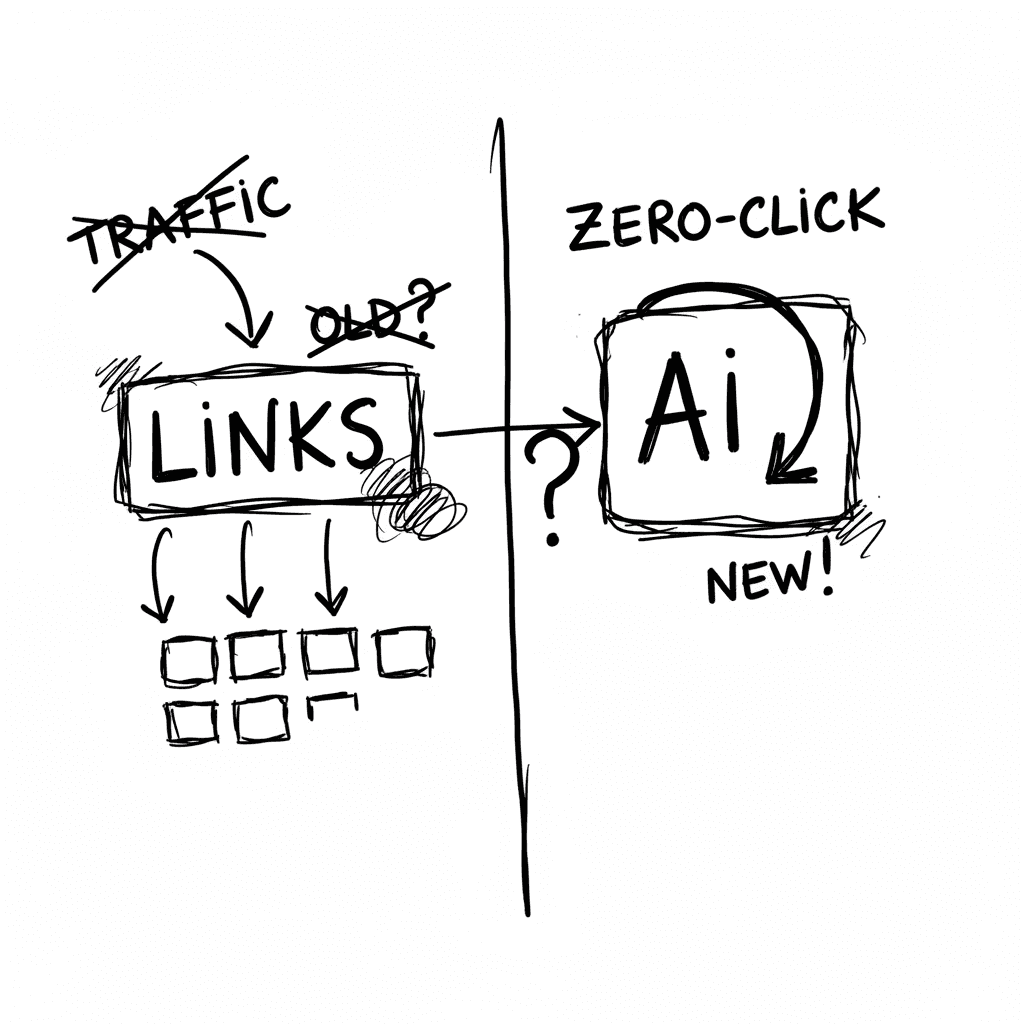
The Zero-Click Economy: Kagi Search vs. Google AI Mode
Google has effectively pivoted to an "answer engine" where Gemini 3.5 Flash provides conversational summaries, while Kagi remains the primary refuge for users seeking a human-centric, ad-free index. W
Stay Ahead of AI Adoption Trends
Get our latest reports and insights delivered to your inbox. No spam, just data.