
Gemma 4: Apache 2.0 Licensing and Local Inference Instability
Google DeepMind has released Gemma 4, an open-weights model family that finally removes commercial usage caps via an Apache 2.0 license (blog.google). It introduces native trimodal capabilities—audio,

The Pitch
Google DeepMind has released Gemma 4, an open-weights model family that finally removes commercial usage caps via an Apache 2.0 license (blog.google). It introduces native trimodal capabilities—audio, video, and text—alongside a dedicated reasoning mode designed to compete with the thinking traces found in models like OpenAI o1.
Under the Hood
The family scales from the 5.1B "Effective" model to a 31B dense variant, with a 26B Mixture-of-Experts (MoE) middle ground (wavespeed.ai). Native trimodal support is baked into the smaller E2B and E4B architectures, allowing for direct audio and video input processing without external encoders (Hugging Face).
Context windows have expanded to 256K on the larger models, though the "Effective" variants are capped at 128K (Mashable). While the model currently sits at #3 on the AI Arena, the technical reality for local deployment is currently less polished than the marketing suggests.
Early adopters report that the 31B dense model is effectively broken in current versions of llama.cpp and LM Studio. Attention pattern issues lead to infinite loops and repetitive "garbage" text generation (Reddit r/LocalLLaMA). Furthermore, the 31B model requires significant VRAM, often triggering out-of-memory errors on standard 16GB consumer hardware unless using aggressive quantization (Reddit).
The reasoning mode also shows technical debt. Despite the "thinking" trace, the model frequently fails at basic logic tasks, such as Unix timestamp conversions, where it hallucinates incorrect integers (Hacker News). It currently trails Qwen 3.5 in complex frontend engineering benchmarks (UsedBy Dossier).
We do not know the specifics of the training data, as Google has maintained its standard opacity regarding dataset composition. Stable support for common wrappers like Ollama is also missing, currently requiring experimental builds for basic execution.
Marcus's Take
Gemma 4 is a side-project curiosity, not a production-ready asset. The Apache 2.0 license is a welcome shift, but the 31B model’s current instability in local inference environments makes it a liability for backend integration. If you need reliable frontend code generation or stable local deployment today, stick with Qwen 3.5 or wait for the quantisation bugs to be patched by the community. It’s an ambitious release that suffered from a rushed deployment cycle.
Ship clean code,
Marcus.
Marcus Webb - Senior Backend Analyst at UsedBy.ai
Related Articles
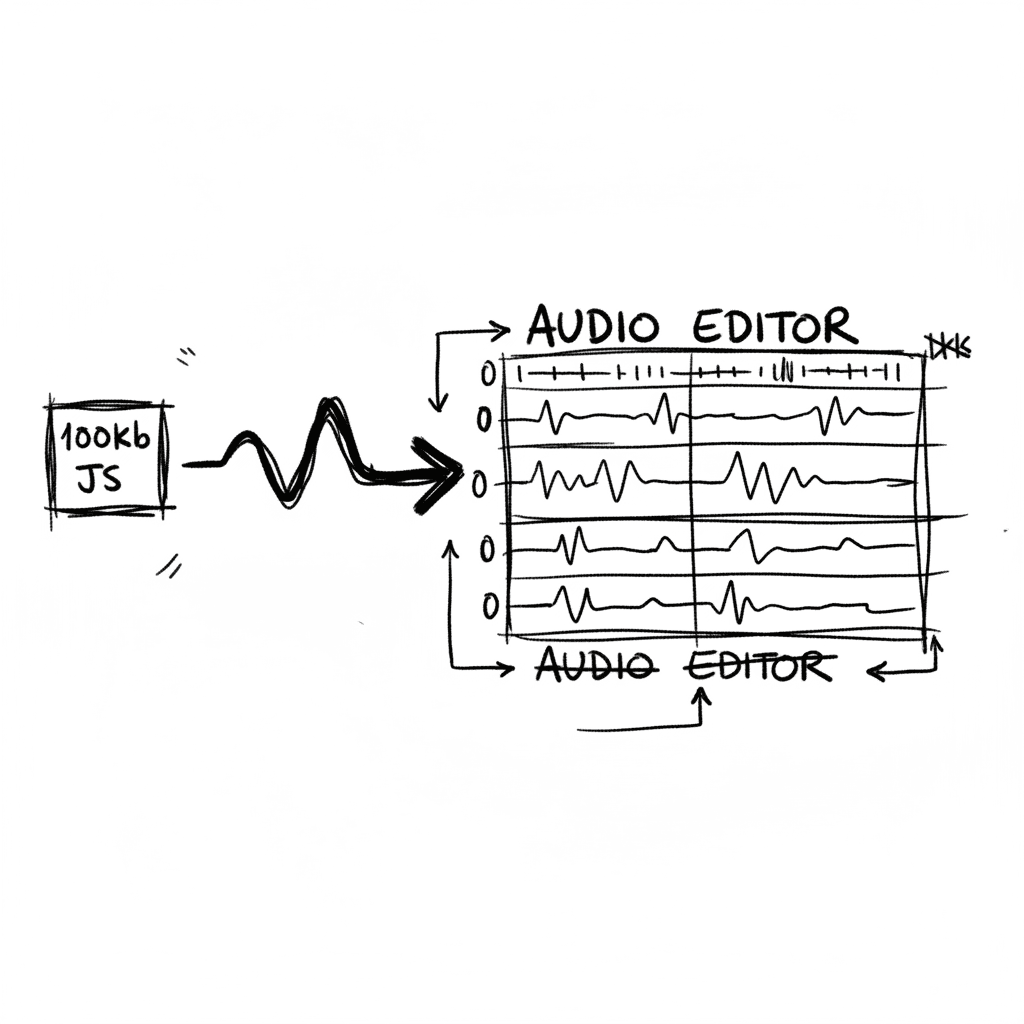
Audiomass: Multitrack Audio Editing via 100kb of Vanilla JavaScript
Audiomass is a browser-based, multitrack audio editor that operates entirely client-side with a remarkably small 100kb footprint (audiomass.co). It provides a workflow reminiscent of classic editors l
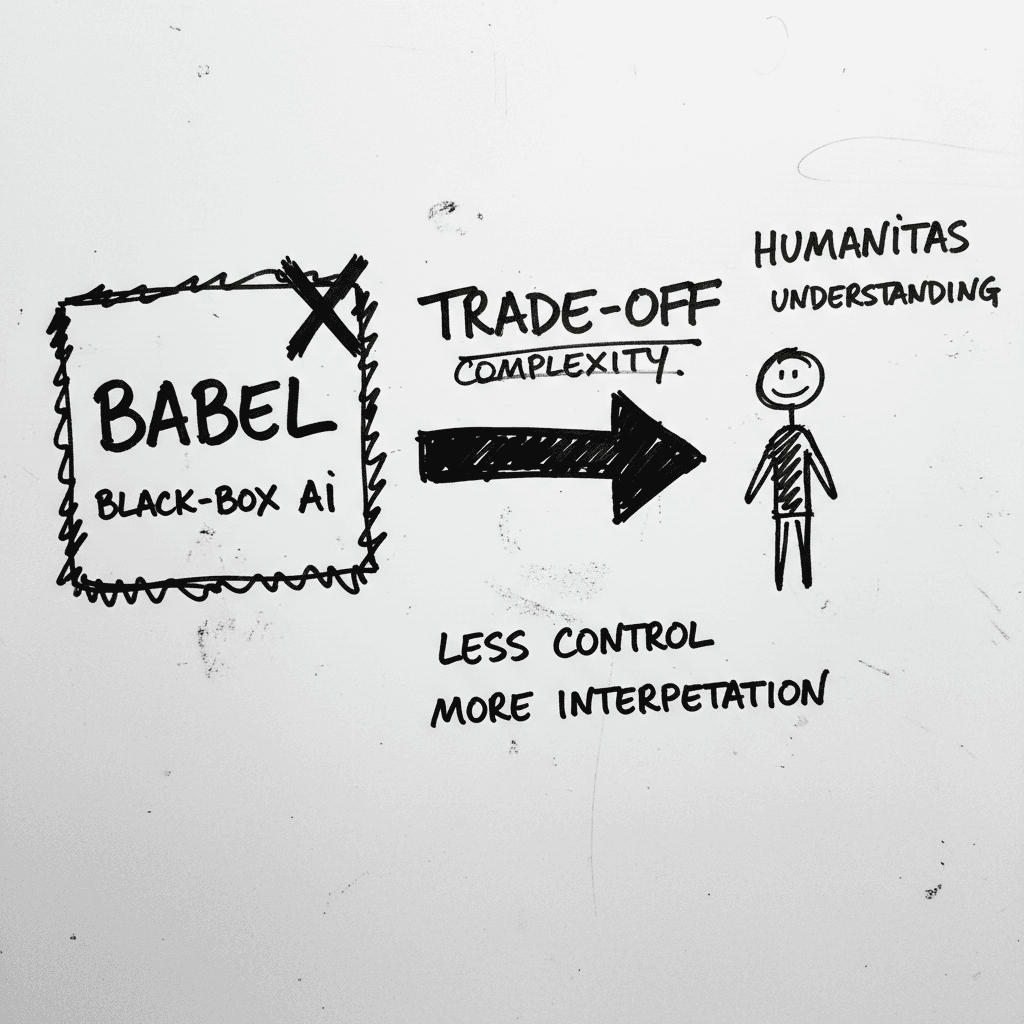
Magnifica Humanitas: The Vatican’s Framework for the GPT-5 Era
The document, signed May 15 and officially released today, was presented at the Vatican alongside Christopher Olah, co-founder of Anthropic and lead of its interpretability team (ncronline.org, Forbes
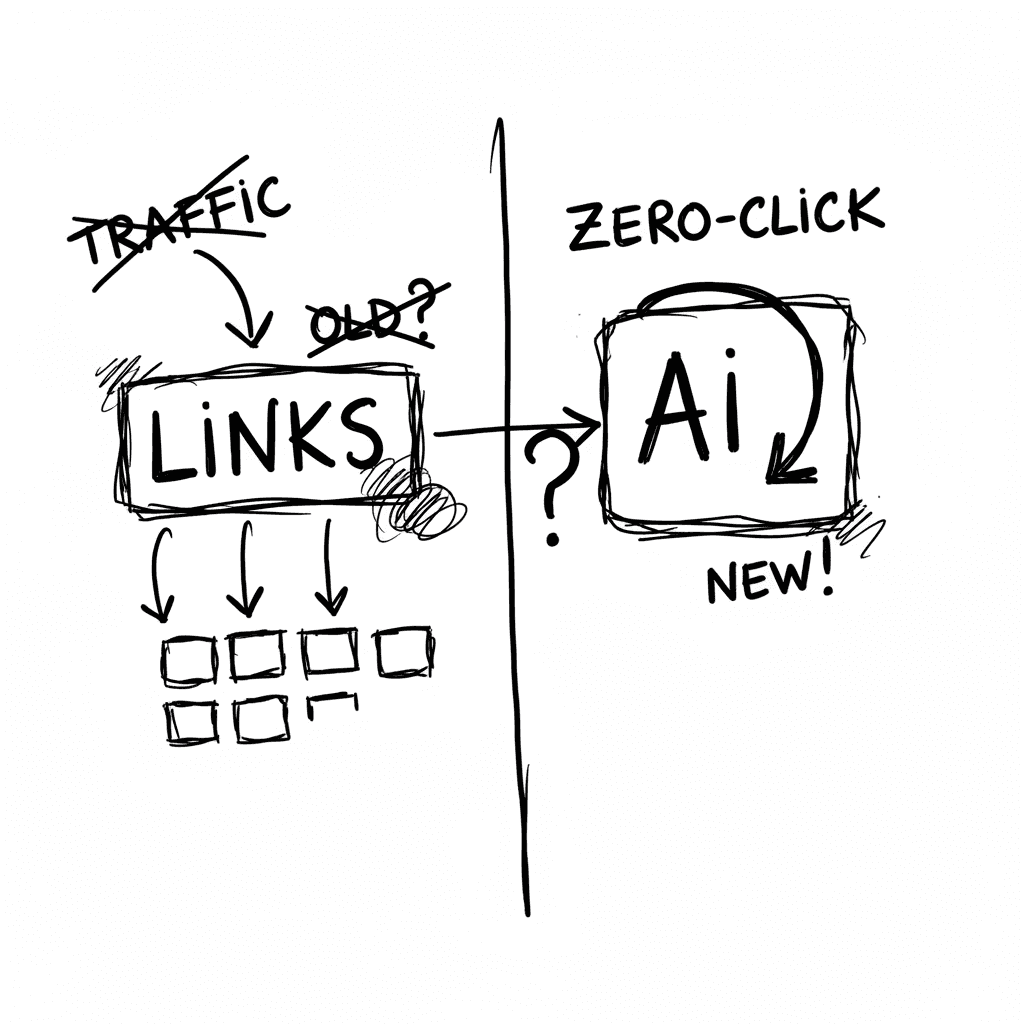
The Zero-Click Economy: Kagi Search vs. Google AI Mode
Google has effectively pivoted to an "answer engine" where Gemini 3.5 Flash provides conversational summaries, while Kagi remains the primary refuge for users seeking a human-centric, ad-free index. W
Stay Ahead of AI Adoption Trends
Get our latest reports and insights delivered to your inbox. No spam, just data.