
Technical Analysis of the code.overheid.nl Forgejo Implementation
The Dutch government launched code.overheid.nl on April 24, 2026, as a sovereign Git platform based on Forgejo v15.0 LTS (Source: nldigitalgovernment.nl). It establishes a localized infrastructure for

The Pitch
The Dutch government launched code.overheid.nl on April 24, 2026, as a sovereign Git platform based on Forgejo v15.0 LTS (Source: nldigitalgovernment.nl). It establishes a localized infrastructure for the "public money, public code" mandate, aiming to host all Dutch public sector software independent of commercial US SaaS providers (Source: Digitale Overheid).
Under the Hood
The platform is currently running Forgejo v15.0.0 LTS, which was released on April 16, 2026 (Source: Platform live version tag). While early critics suggested the use of the more experimental v16, the choice of a Long-Term Support version indicates a prioritized focus on stability for this pilot phase (Source: UsedBy Dossier).
The flagship project, 'RegelRecht', is built using 67.9% Rust and a significant YAML footprint to create deterministic, machine-readable Dutch law (Source: code.overheid.nl/RegelRecht). This technical approach is designed to meet the transparency requirements of the EU AI Act, ensuring that legal logic is verifiable and reproducible within the public stack (Source: Digitale Overheid).
The platform is explicitly labeled "not yet finished" by its own developers, which presents immediate stability risks for production-critical workflows (Source: developer.overheid.nl). Moving from a managed SaaS environment like GitHub to a self-hosted Forgejo instance requires significant internal DevOps resources that have historically been outsourced by the Dutch government (Source: OSPO BZK blog).
There is also a documented risk of inter-departmental "ghosting," where historical government tech projects in the Netherlands have struggled to maintain long-term internal collaboration (Source: Hacker News). We don't know the official timeline for a full migration of existing code from GitHub, nor has the budget for scaling the infrastructure into 2027 been made public (Source: UsedBy Dossier).
Furthermore, details on how Forgejo’s federation features will be utilized to link with other EU member state code forges remain unavailable (Source: UsedBy Dossier). Success depends on whether the OSPO can manage the maintenance overhead without falling back on the same outsourcing patterns that the platform is intended to circumvent.
Marcus's Take
Mirror your public sector repositories to code.overheid.nl immediately for compliance, but maintain your primary CI/CD elsewhere until the platform exits its pilot phase in 2027. The decision to use Rust for machine-readable law is technically sound, even if the transition from GitHub to a self-hosted stack will likely make the government's DevOps budget bleed. The Dutch are finally treating code like their dikes: critical infrastructure that is too important to be managed by a foreign corporation.
Ship clean code,
Marcus.
Marcus Webb - Senior Backend Analyst at UsedBy.ai
Related Articles
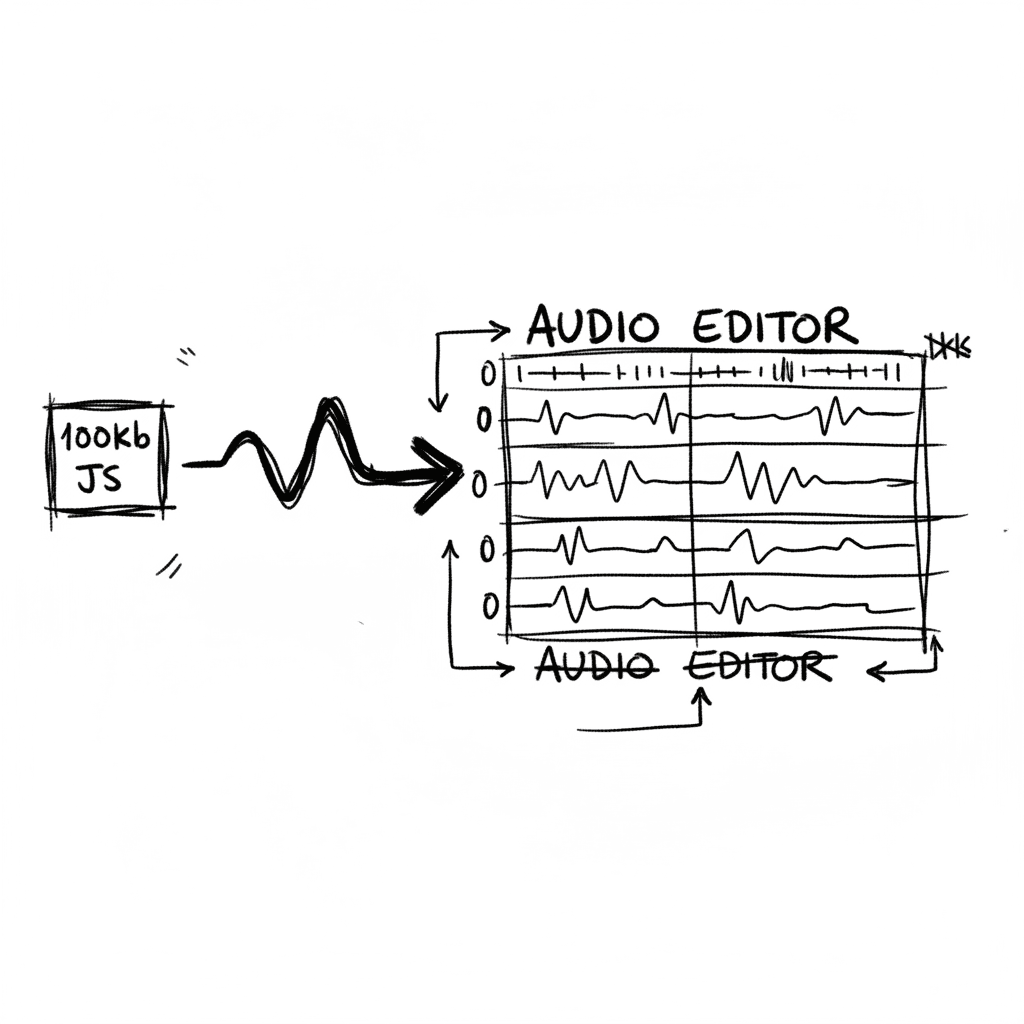
Audiomass: Multitrack Audio Editing via 100kb of Vanilla JavaScript
Audiomass is a browser-based, multitrack audio editor that operates entirely client-side with a remarkably small 100kb footprint (audiomass.co). It provides a workflow reminiscent of classic editors l
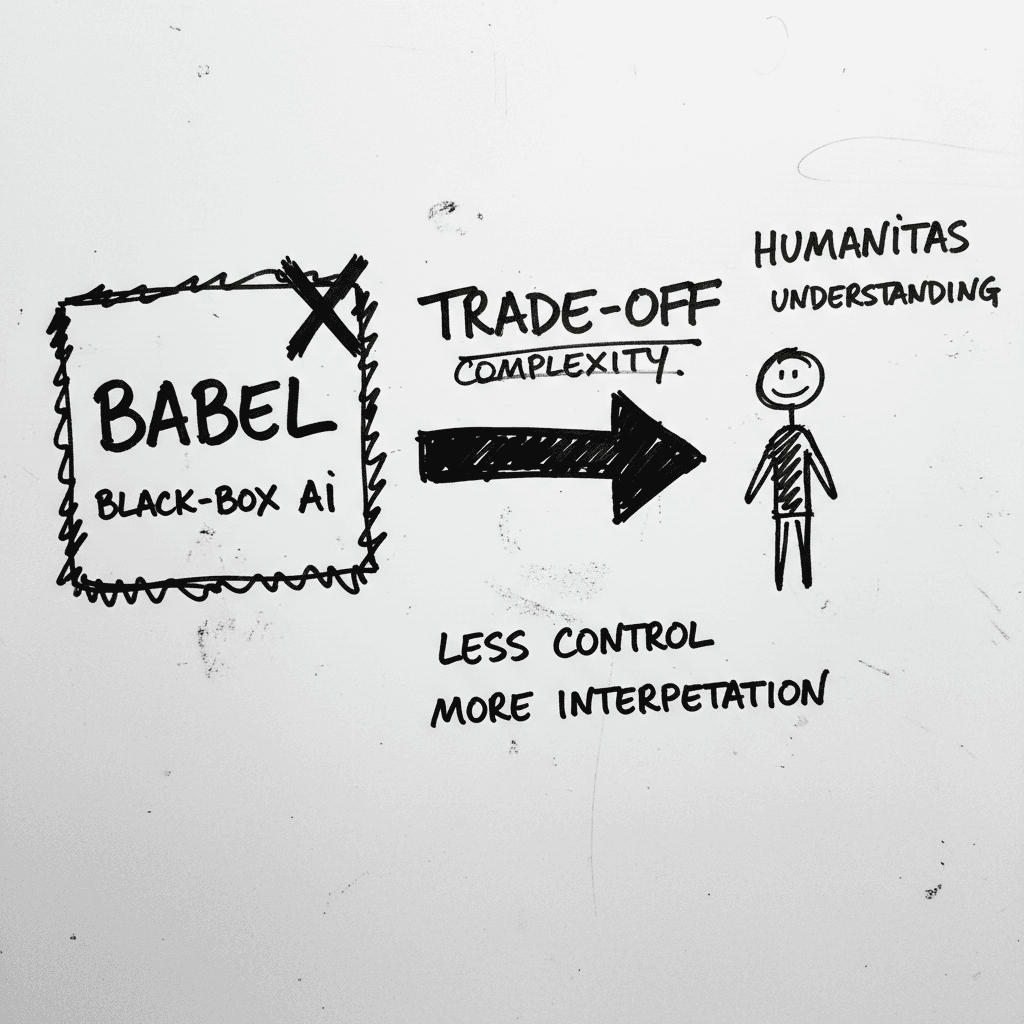
Magnifica Humanitas: The Vatican’s Framework for the GPT-5 Era
The document, signed May 15 and officially released today, was presented at the Vatican alongside Christopher Olah, co-founder of Anthropic and lead of its interpretability team (ncronline.org, Forbes
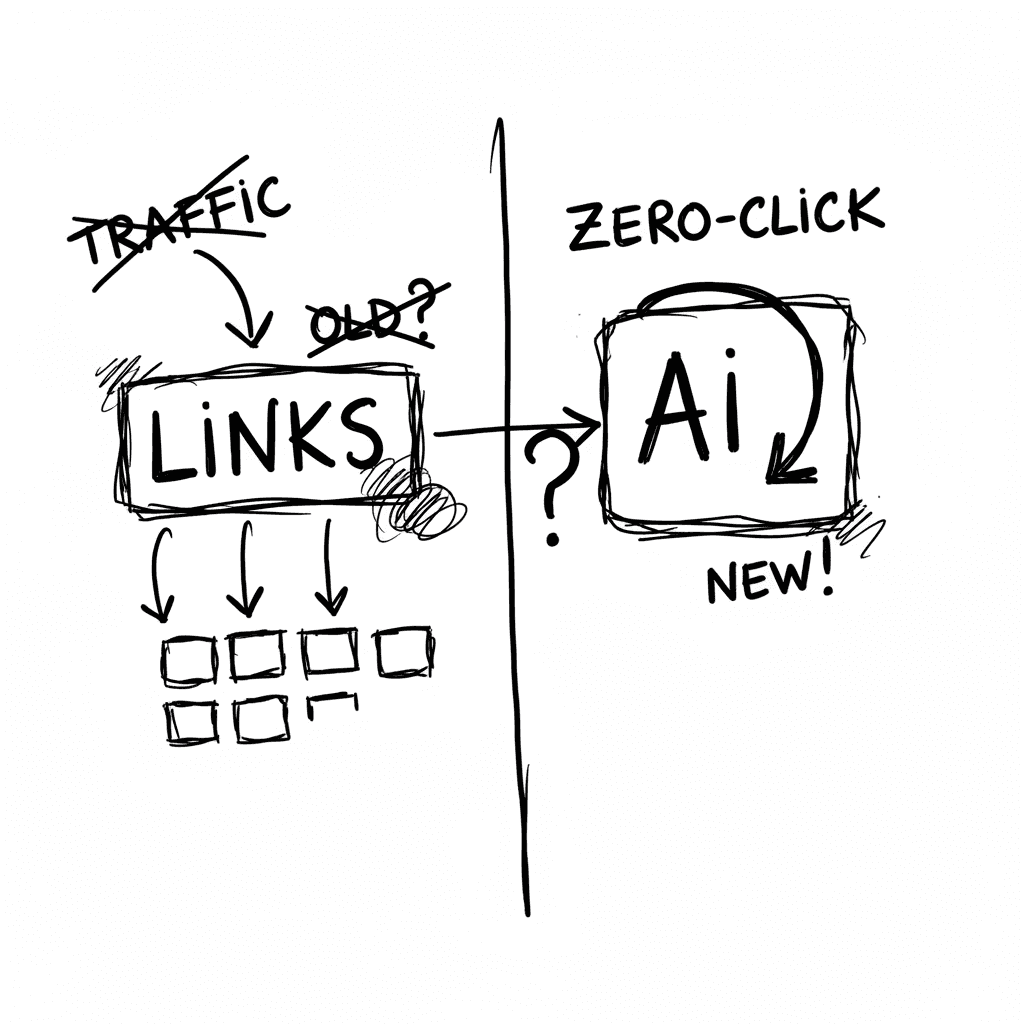
The Zero-Click Economy: Kagi Search vs. Google AI Mode
Google has effectively pivoted to an "answer engine" where Gemini 3.5 Flash provides conversational summaries, while Kagi remains the primary refuge for users seeking a human-centric, ad-free index. W
Stay Ahead of AI Adoption Trends
Get our latest reports and insights delivered to your inbox. No spam, just data.