
The Mac Studio and the End of Apple’s Desktop PCIe Era
Apple officially discontinued the Mac Pro on March 26, 2026, making the Mac Studio the sole high-performance workstation in the lineup (Source: 9to5mac). It is currently the only consumer-accessible h

The Pitch
Apple officially discontinued the Mac Pro on March 26, 2026, making the Mac Studio the sole high-performance workstation in the lineup (Source: 9to5mac). It is currently the only consumer-accessible hardware capable of running 600B+ parameter models locally without the latency of multi-GPU server clusters. Silicon-integrated unified memory is now the standard for local LLM inference, even if it comes at a significant premium.
Under the Hood
Leaked M5 Ultra benchmarks from macOS 26.3 developer code show a 45,000 multi-core score and a 415,000 Metal GPU score (Source: Geekbench). This performance is roughly double that of the M2 Ultra, providing a viable path for local execution of Claude 4.5 or GPT-5 class models. Apple has finally admitted that PCIe slots are just expensive dust collectors in the unified memory era.
The supply chain is currently the primary constraint for backend teams. Global DRAM shortages forced Apple to pull the 512GB Unified Memory configuration in early March, capping current orders at 256GB (Source: MacRumors). Furthermore, the price for a 256GB upgrade jumped from $1,600 to $2,000 this month due to AI-driven memory scarcity (Source: Tom's Hardware).
While the Studio leads in "Sovereign AI" autonomy with an 8.8/10 score, it fails as a training rig (Source: Vucense). Metal still lacks the library depth found in CUDA, making the Studio 3x slower than a four-year-old RTX 4090 for ResNet-50 training (Source: Industry developer benchmarks). Users also continue to report thermal throttling during sustained 8K renders and a lack of internal access for cleaning (Source: HN).
We don't know yet if Apple will release a rack-mount "Studio Server" to fill the gap left by the rackable Mac Pro. The exact launch window for the M5 Ultra hardware refresh is also missing, though rumors point toward June 2026 (Source: Tech outlets).
Marcus's Take
If your workflow involves training LLMs or heavy computer vision models from scratch, stay on your Linux/NVIDIA clusters; the Mac Studio remains uncompetitive here. However, for backend engineers tasked with running local, private inference of GPT-5 or Claude 4 Sonnet, this is the only viable hardware on the market. It is essentially a very expensive, very fast RAM sled. Buy the 256GB model now before the memory shortage drives the price higher, but don't expect it to replace your data centre for training.
Ship clean code,
Marcus.
Marcus Webb - Senior Backend Analyst at UsedBy.ai
Related Articles
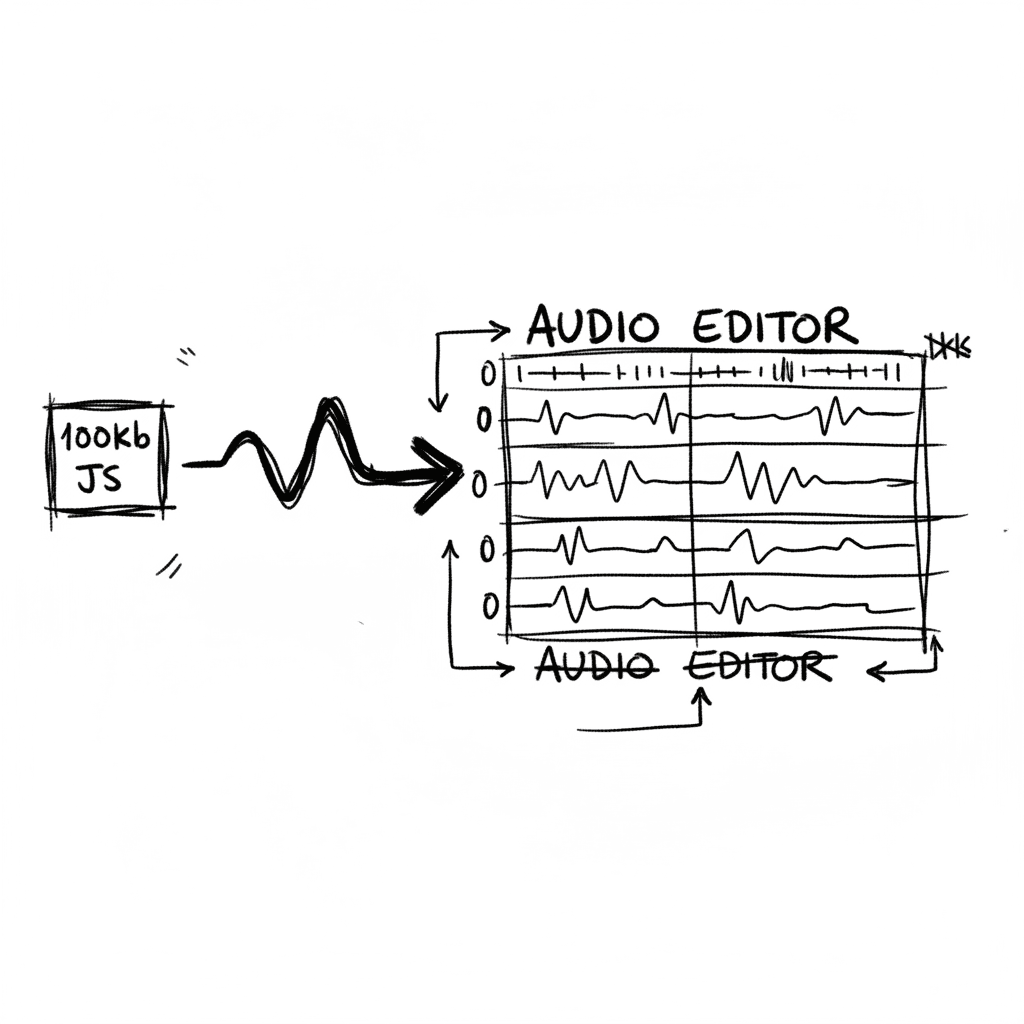
Audiomass: Multitrack Audio Editing via 100kb of Vanilla JavaScript
Audiomass is a browser-based, multitrack audio editor that operates entirely client-side with a remarkably small 100kb footprint (audiomass.co). It provides a workflow reminiscent of classic editors l
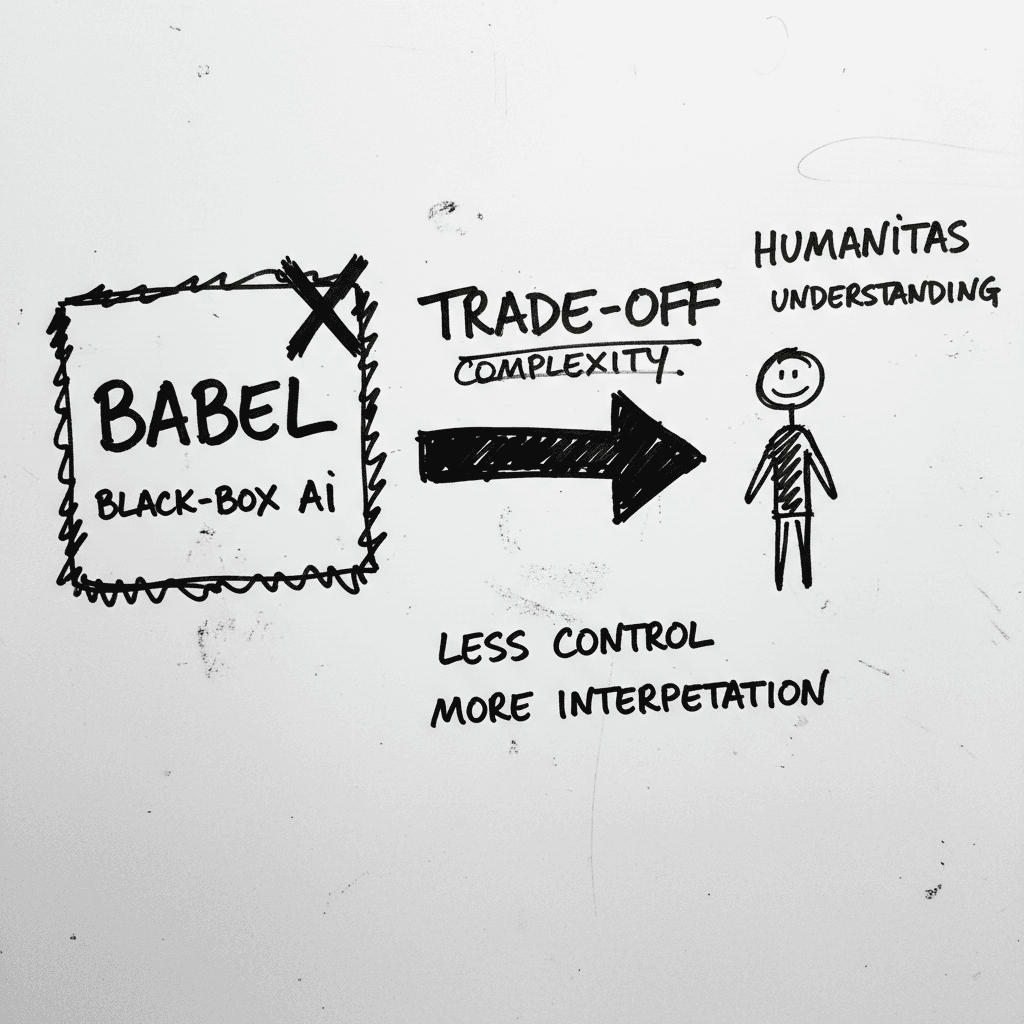
Magnifica Humanitas: The Vatican’s Framework for the GPT-5 Era
The document, signed May 15 and officially released today, was presented at the Vatican alongside Christopher Olah, co-founder of Anthropic and lead of its interpretability team (ncronline.org, Forbes
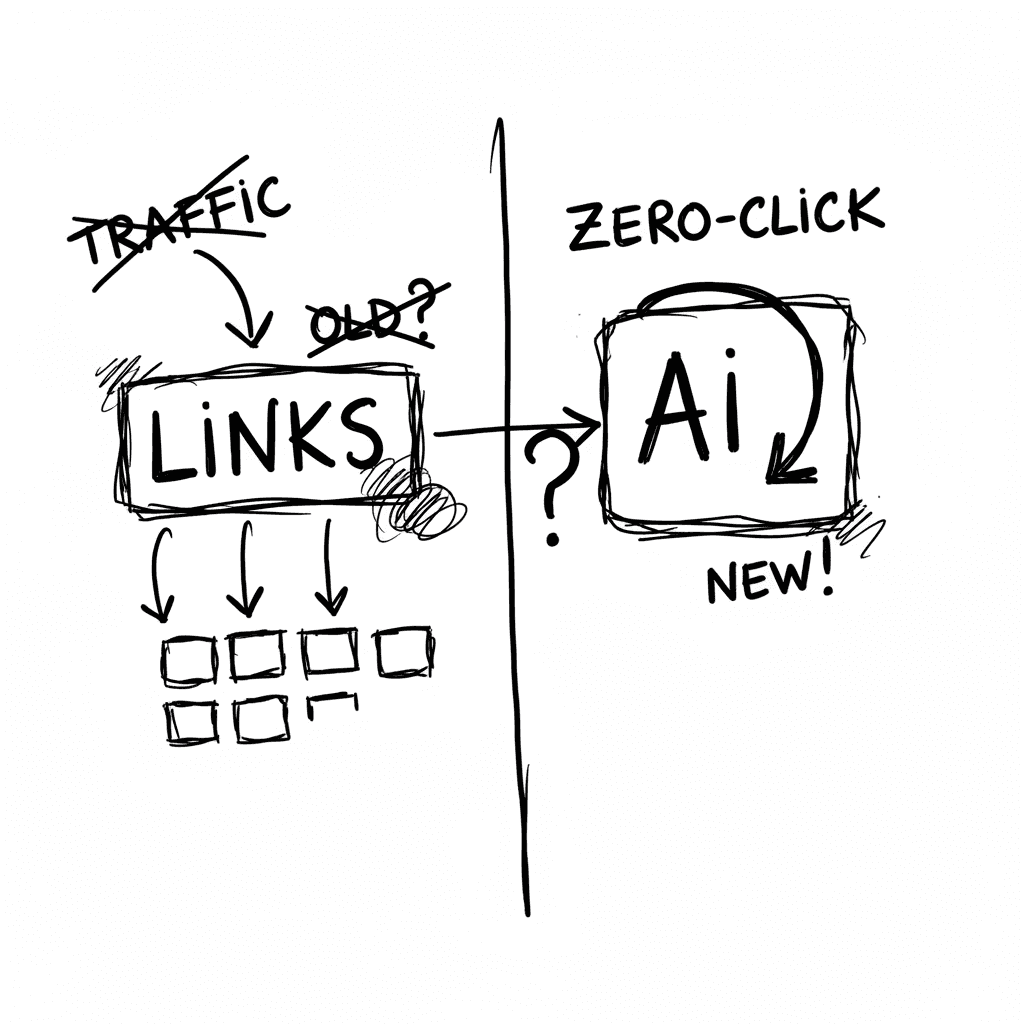
The Zero-Click Economy: Kagi Search vs. Google AI Mode
Google has effectively pivoted to an "answer engine" where Gemini 3.5 Flash provides conversational summaries, while Kagi remains the primary refuge for users seeking a human-centric, ad-free index. W
Stay Ahead of AI Adoption Trends
Get our latest reports and insights delivered to your inbox. No spam, just data.